
Trump Announces Ceasefire Between Israel and Hezbollah Amid Escalating Tensions

On June 2, 2026, former U.S. President Donald Trump announced a significant development in the ongoing conflict between Israel and Hezbollah, stating that both parties have agreed to a ceasefire. This announcement comes amid escalating violence that has drawn international concern and raised fears of a broader regional conflict. Trump’s involvement underscores the role of U.S. diplomacy in addressing long-standing tensions in the Middle East.
The ceasefire, though not yet confirmed by either Israel or Hezbollah, marks a critical juncture in a conflict that has seen renewed hostilities since late May 2026. The fighting has resulted in significant casualties, with reports indicating hundreds of deaths and thousands displaced in southern Lebanon and northern Israel. The humanitarian crisis has prompted calls for international intervention, highlighting the urgent need for a resolution.
This situation matters on a global scale as it directly impacts U.S. foreign policy interests, regional stability, and the broader geopolitical landscape. The involvement of Trump, a prominent figure in American politics, signals a potential shift in diplomatic efforts to stabilize the region. As the conflict has implications for U.S. allies in the region, including Saudi Arabia and Egypt, the outcome of this ceasefire could influence strategic alignments and economic partnerships.
Looking ahead, the success of the ceasefire will depend on the commitment of both Israel and Hezbollah to adhere to the terms outlined. Should the ceasefire hold, it may pave the way for renewed negotiations over long-standing issues such as territorial disputes and security arrangements. Conversely, failure to maintain peace could lead to a resurgence of violence, further complicating an already volatile situation and prompting a re-evaluation of international responses to the conflict.
Source: Al Jazeera








Türkiye Urges Immediate Resumption of Peace Talks Between Russia and Ukraine
Türkiye's call for renewed peace talks underscores the urgent need for stability...
 1 Mins read

Emergency Declared in Crimea as Ukrainian Forces Intensify Offensive
The escalation in Crimea signals a pivotal moment in the ongoing conflict,...
1 Mins read

Sergei Ivanov, Former Russian Defense Minister and Putin’s Potential Successor, Dies at 73
The death of Sergei Ivanov marks a significant moment in Russian politics,...
1 Mins read
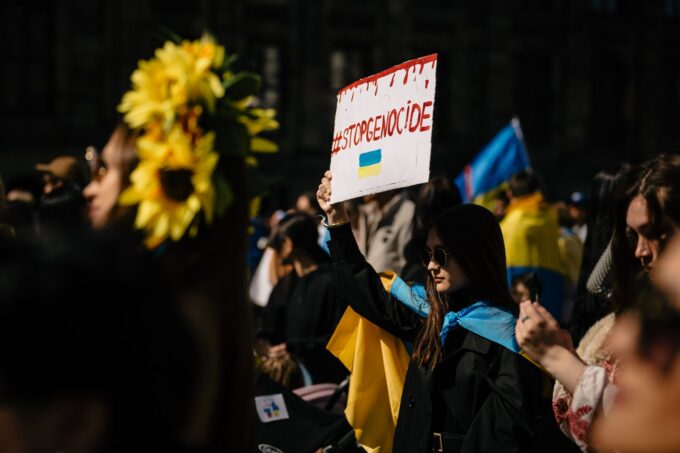


Ukraine Commits to 40 Days of Offensive Strikes Against Russian Forces
Ukraine's declaration of sustained military action poses significant challenges for Russia and...
1 Mins read