
Legacy and Preservation: The Hidden Risks in Cultural Institutions

A Glimpse Behind the Curtain of Cultural Heritage
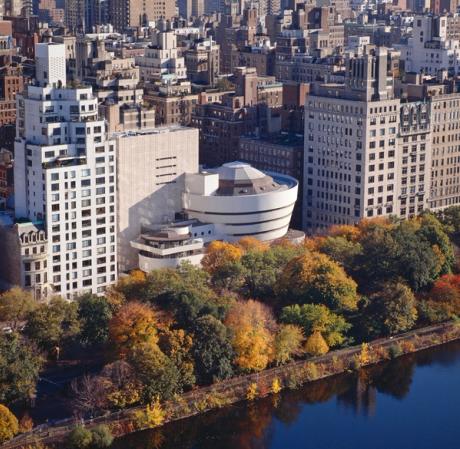
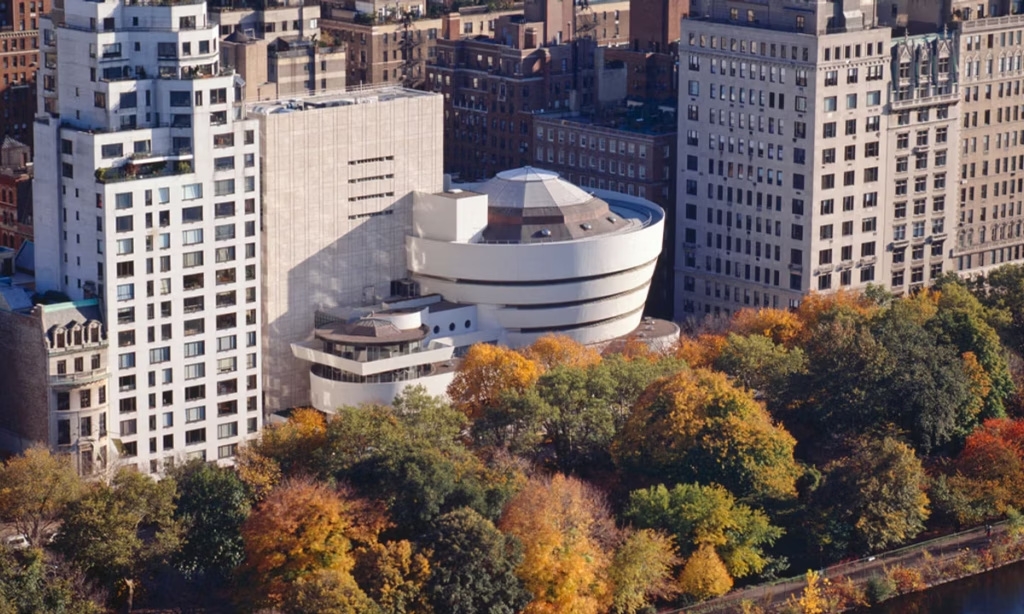
In the vibrant tapestry of New York City’s cultural landscape, institutions such as the Guggenheim Museum stand as beacons of artistic expression and architectural marvel. However, like any revered structure, they are not immune to the challenges that accompany their stewardship. Recent discoveries of health risks, such as the presence of Legionella bacteria in cooling systems, invite a deeper exploration into the intersection of art, safety, and preservation.
Health and Cultural Institutions: An Unseen Dynamic
The discovery of Legionella—a bacterium responsible for Legionnaires’ disease—within the cooling systems of prominent institutions highlights a concerning yet often overlooked dynamic. While the museum remains safe for its patrons and staff, as confirmed by ongoing testing protocols from city inspectors, the incident raises questions about the broader implications of maintaining public health standards in spaces dedicated to cultural enrichment.
Preservation Beyond the Canvas
Art, in its many forms, is not only a reflection of society but also a testament to human creativity and resilience. Yet, the preservation of such treasures extends beyond the artwork itself. The infrastructure that houses these masterpieces must be diligently maintained to ensure the safety of visitors and the longevity of the institutions. This incident serves as a reminder that the care of cultural heritage is multifaceted, encompassing everything from climate control to sanitation.
The Emotional Investment of Collectors
For art collectors and enthusiasts, the emotional connection to cultural spaces is profound. These institutions are not merely buildings; they are sanctuaries that embody stories, histories, and legacies. The ability to experience art in a safe environment is paramount, and incidents like this can affect the psychological investment of collectors. A robust dialogue about health and safety can enhance trust and loyalty towards institutions that prioritize their visitors’ well-being.
A Call to Action for Art Institutions
As cities like Miami continue to flourish as cultural hubs, the need for rigorous health protocols in art institutions becomes increasingly vital. This incident at the Guggenheim serves as a cautionary tale, prompting a reassessment of how museums and galleries can uphold both artistic integrity and public safety. The implementation of state-of-the-art monitoring systems and regular maintenance schedules can create a resilient framework that safeguards both art and people.
Looking Towards the Future
The path forward for cultural institutions involves embracing innovative technologies and practices that align with both artistic aspirations and health standards. As the art world continues to evolve, so too must the strategies employed to protect and preserve its treasures. Understanding the balance between maintaining aesthetic environments and ensuring safety will be crucial for future generations to appreciate and enjoy these cultural landmarks.
Editorial note: This article was created by A Bit Lavish Miami’s Magazine as an original editorial reinterpretation based on publicly available reporting. Original source: theartnewspaper.com. Read the original article here: https://www.theartnewspaper.com/2026/07/09/bacteria-that-causes-legionnaires-disease-found-in-guggenheim-museum-cooling-tower.
Images are used for editorial reference with source credit. If an image requires correction or removal, please contact A Bit Lavish.










Houston’s Art Renaissance: A Canvas of Opportunity
Exploring Houston's burgeoning art scene through the lens of the recent Untitled...
 ABL2 Mins read

Harvesting Talent: Atlanta Art Fair’s Flourishing Platform for Local Artists
Explore how the Atlanta Art Fair is nurturing local talent and shaping...
ABL2 Mins read

Stolen ‘Walking Dead’ Comic Book Resurfaces at Pawn Shop, Seller Linked to Another Theft
A valuable comic book linked to a recent theft has surfaced at...
 2 Mins read


The Eternal Allure of Jean Schlumberger: A Legacy Reimagined
Explore the lasting impact of Jean Schlumberger's innovative jewelry design as Tiffany...
2 Mins read
