
Mass Protests Erupt Across Spain Over Housing Crisis Following Rejection of Relief Measures

MADRID — October 3, 2026
Tens of thousands of protesters flooded the streets of major Spanish cities on October 3, 2026, in a significant demonstration against the escalating housing crisis. This wave of protests was triggered by the recent rejection of proposed relief measures aimed at alleviating the burden of skyrocketing housing costs, which have left many citizens struggling to secure affordable living conditions.
The protests were organized by various grassroots movements and labor unions, with notable participation from the left-wing political party Podemos, which has been vocal about the need for urgent housing reforms. Demonstrations were reported in cities including Madrid, Barcelona, Valencia, and Seville, where crowds chanted slogans demanding government action to address the housing affordability crisis.
The immediate catalyst for these protests was the Spanish government’s decision on October 2, 2026, to reject a package of relief measures proposed by opposition parties. These measures included rent controls, increased funding for social housing, and financial assistance for low-income families. The government, led by Prime Minister Pedro Sánchez of the Socialist Workers’ Party (PSOE), argued that the proposed measures were economically unfeasible and would exacerbate the existing fiscal deficit.
According to recent reports from the National Institute of Statistics, housing prices in Spain have surged by over 10% in the past year, with many families spending more than 40% of their income on rent. This alarming trend has sparked widespread public discontent, particularly among younger generations and low-income households, who feel increasingly marginalized in the housing market.
The significance of these protests extends beyond immediate housing concerns; they reflect a growing frustration with the government’s handling of economic issues and social welfare. As public sentiment shifts, the potential for political ramifications increases, with analysts suggesting that the PSOE may face challenges in upcoming elections if they fail to address the housing crisis effectively.
Looking ahead, the government may be compelled to revisit its stance on housing policy in response to the mounting public pressure. Possible next steps could include negotiations with opposition parties to develop a revised housing relief package or the introduction of new measures aimed at stabilizing the housing market. Additionally, continued protests could lead to increased scrutiny of the government’s economic policies and their impact on everyday citizens.
This situation is not only a local issue but also resonates on a national level, as it underscores broader economic challenges faced by many European nations grappling with housing affordability and social inequality. The outcome of this unrest could set a precedent for how governments across the continent address similar crises in the future.
Source: newindianexpress.com










Ethiopian Government Forces Retake Mekelle Airport Amid Ongoing Tigray Conflict
Pro-government forces have reclaimed control of Mekelle airport, a pivotal site in...
 2 Mins read

Ethiopian Forces Retake Airport in Tigray’s Capital Mekelle Amid Rebel Retreat
The retaking of Mekelle's airport marks a pivotal moment in the ongoing...
2 Mins read
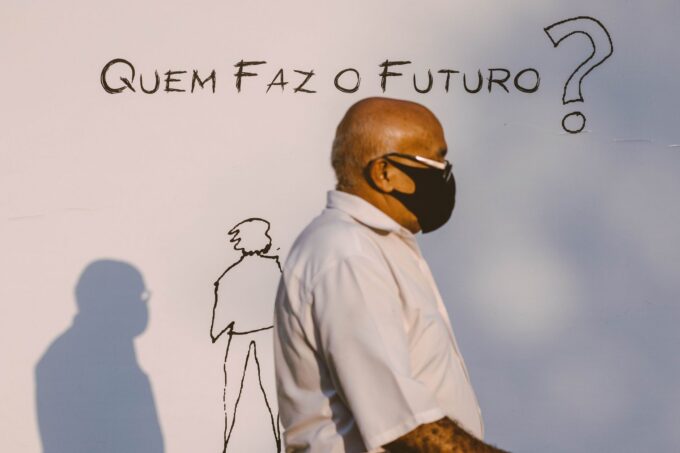
Brazil Prepares for Polarized Vote Amid Competing Visions for the Future
The upcoming elections in Brazil highlight stark divisions in the political landscape,...
1 Mins read
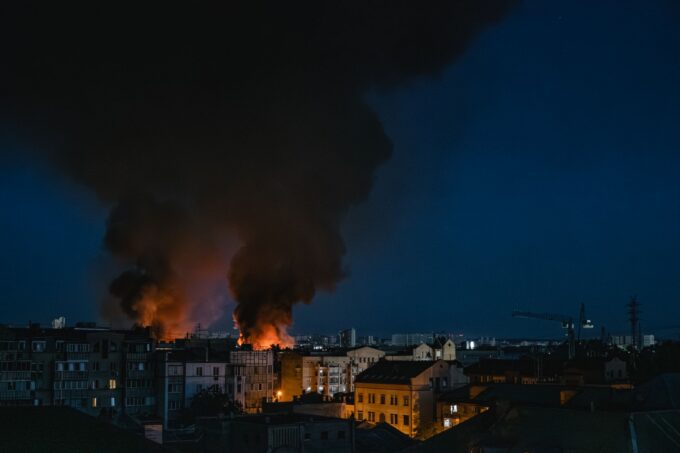


Zelensky Announces Intensified Attacks on Russian Oil Refineries
Ukrainian President Volodymyr Zelensky declares a strategic escalation in military operations against...
1 Mins read

Leave a comment