
Legal Tides: The Battle Over Fontainebleau’s Water Park Project
Introduction to a Legal Showdown
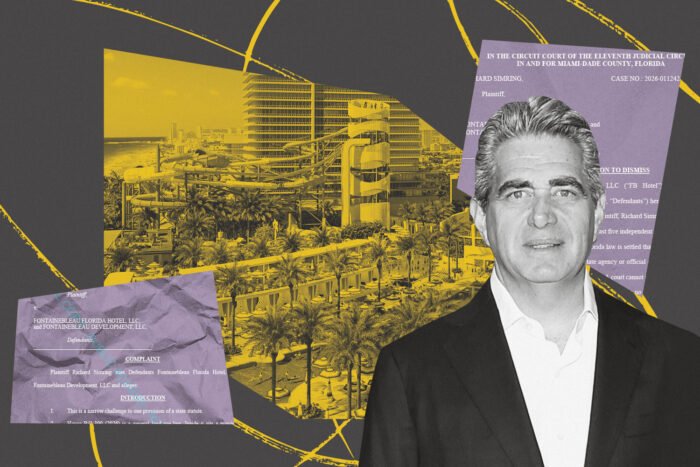
The sun-soaked shores of Miami Beach have long been synonymous with luxury and leisure, attracting affluent residents and tourists alike. However, beneath this glamorous façade, a significant legal dispute is brewing that could reshape the community’s landscape. At the center of this controversy is billionaire Jeffrey Soffer, whose ambitious plans for a water park adjacent to his iconic Fontainebleau resort have ignited passionate debates among local residents and city officials.
A Legislative Loophole
This spring, Florida lawmakers enacted a bill that inadvertently opened the door for Soffer’s water park project to move forward without the typical city voting process. This legislative development has not only raised eyebrows but has also incited a wave of discontent among Miami Beach’s residents. Many feel that such a major undertaking should require their input and consent, particularly given the potential impact on the local environment and community fabric.
The Lone Lawsuit
In a surprising turn of events, only one resident, Richard Simring, has stepped forward to challenge this legislative decision through legal means. His lawsuit targets both Soffer’s Fontainebleau and its ownership entity, Fontainebleau Florida Hotel, arguing that the new state provision undermines local governance and citizen engagement. This solitary filing raises questions about community mobilization and the effectiveness of resident advocacy in the face of powerful development interests.
Community Concerns
Residents’ apprehensions about the water park extend beyond just the bypassing of local voting rights. Concerns about increased traffic, noise, and environmental degradation loom large, with many fearing that the project could disrupt the delicate balance of life in Miami Beach. The proposed water park is expected to draw significant crowds, which could strain local resources and alter the neighborhood’s serene atmosphere. Community forums and social media platforms have become battlegrounds for residents voicing their opinions, reflecting a broader trend of citizen activism in urban development issues.
The Bigger Picture
This legal confrontation is emblematic of a greater struggle playing out in cities across the United States, where development projects often clash with community interests. As cities grow and evolve, the tug-of-war between ambitious developers and local residents continues to intensify, raising important questions about the future of urban living. The outcome of Simring’s lawsuit could set a precedent for how similar disputes are handled in Miami Beach and beyond, highlighting the role of legislation in shaping community dynamics.
A Call to Action
As the legal proceedings unfold, the Miami Beach community finds itself at a crossroads. Residents are encouraged to remain engaged, attending city meetings and expressing their views on development projects that affect their lives. The Fontainebleau water park saga serves as a reminder that while luxury developments may promise economic growth and increased tourism, they can also pose significant risks to the community’s quality of life. Citizens must continue to advocate for their rights, ensuring that their voices are heard in the ongoing dialogue about the future of their beloved city.
Editorial note: This article was created by A Bit Lavish Miami’s Magazine as an original editorial reinterpretation based on publicly available reporting. Original source: therealdeal.com. Read the original article here: https://therealdeal.com/miami/2026/08/17/jeffrey-soffers-fontainebleau-moves-to-sink-water-park-suit/.
Images are used for editorial reference with source credit. If an image requires correction or removal, please contact A Bit Lavish.








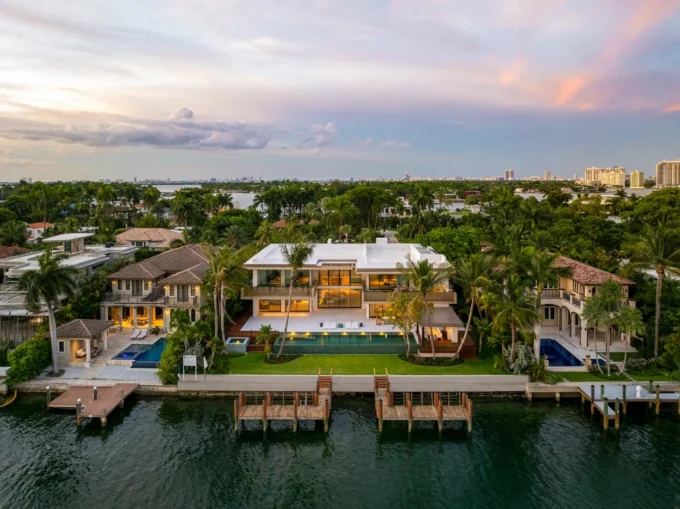
A New Benchmark in Luxury: The $51.5 Million Hibiscus Island Estate
Discover the record-setting sale of a waterfront estate on Hibiscus Island, redefining...
 2 Mins read

A Clash in Paradise: The Legal Battle Over Mandarin Oriental Residences in Boca Raton
Explore the unfolding legal drama surrounding the Mandarin Oriental Residences project in...
3 Mins read

Legacy and Land: The Dunn Family’s Enduring Impact on Northwest Miami-Dade
Explore the legacy of the Dunn family, a major landholding dynasty in...
2 Mins read
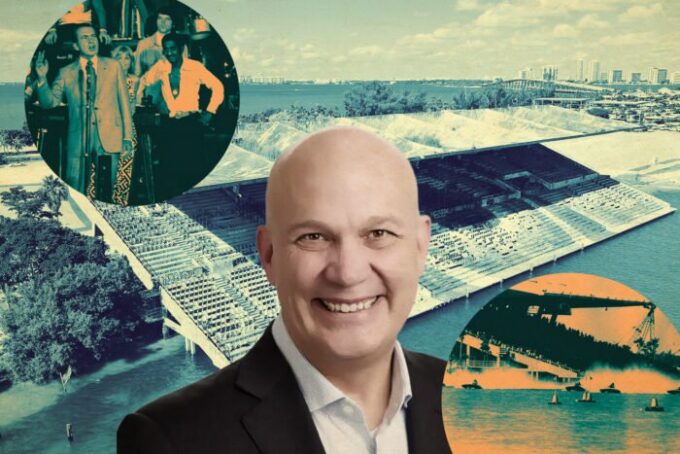


A New Chapter for the Historic Miami Marine Stadium: Voter Decision on Restoration and Management Looms
Miami voters are set to determine the future of the historic Marine...
2 Mins read

Leave a comment