
Luxury Car Market Forecast 2024-2031: Emphasizing Premium Performance and Comfort
 ABLUpdated July 15, 20252 Mins read340
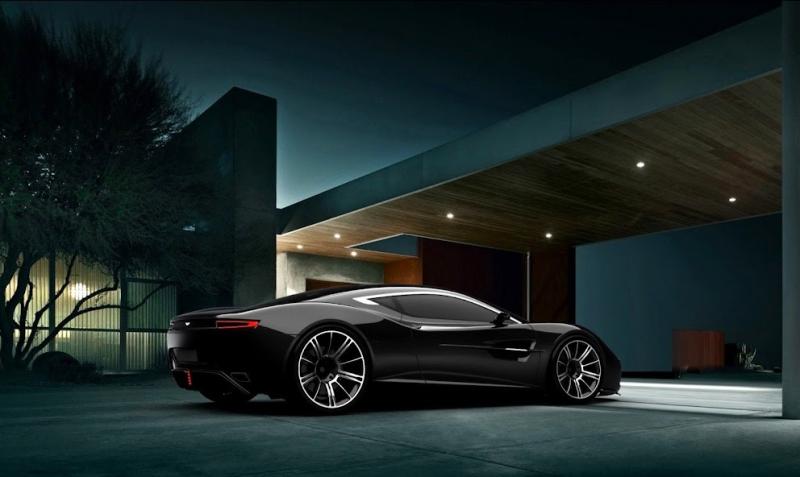
The Luxury Car Market: A Comprehensive Overview
The global luxury car market is experiencing remarkable growth, with its value reaching approximately $672.4 billion in 2022 and projected to soar to $1,032 billion by 2030. This growth trajectory reflects a compound annual growth rate (CAGR) of 5.5% during the forecast period from 2024 to 2031. This article delves into the intricacies of the luxury car market, exploring key trends, major players, and future prospects.
Understanding Luxury Cars
Luxury cars are not merely vehicles; they symbolize prestige, sophistication, and advanced engineering. These high-end automobiles are designed to provide superior comfort, performance, and cutting-edge technology. Key features often include:
- Refined Interiors: High-quality materials and meticulous craftsmanship.
- Powerful Engines: Enhanced performance capabilities.
- Advanced Safety and Infotainment Systems: State-of-the-art technology for a seamless driving experience.
- Smooth Ride Quality: Exceptional handling and comfort.
Luxury cars cater to consumers seeking not just transportation but an elevated driving experience that reflects their status and lifestyle.
Market Dynamics and Trends
Key Players
The luxury car market is dominated by several prominent manufacturers, each vying for market share through innovative strategies and product offerings. Notable players include:
- Volkswagen Group
- BMW Group
- Mercedes-Benz Group AG
- General Motors
- Ferrari S.p.A.
- Tesla, Inc.
- Tata Motors
- Aston Martin
- Toyota Motor Corporation
- China FAW Group Co. Ltd.
These companies are increasingly focusing on launching new products to penetrate emerging markets, adapting to changing consumer preferences and technological advancements.
Recent Developments
Several key developments have shaped the luxury car landscape in recent months:
- Mercedes-Benz announced plans to expand its luxury electric vehicle (EV) portfolio in India, aiming to launch four new models within the next year.
- Aston Martin unveiled its new DB11 sports car, capitalizing on strong luxury sales and profitability.
- Fisker launched a luxury electric SUV in North America, positioning itself as a competitor to established brands like Tesla.
These developments highlight the industry’s shift towards electric mobility and the increasing importance of sustainability in consumer choices.
Market Segmentation
The luxury car market can be segmented based on various criteria:
By Vehicle Type
- Hatchback
- Sedan
- Sports Utility Vehicle (SUV)
- Coupe
- Limousine
- Sports Car
By Propulsion
- Internal Combustion Engine (ICE)
- Hybrid
- Electric
This segmentation allows stakeholders to identify specific market opportunities and tailor their strategies accordingly.
Regional Insights
The luxury car market is geographically diverse, with significant growth potential across various regions:
- North America: Includes the US, Canada, and Mexico.
- Europe: Comprises Germany, the UK, France, Italy, and others.
- Asia Pacific: Encompasses China, India, Japan, and Australia.
- South America: Covers Brazil, Argentina, and Colombia.
- Middle East and Africa: Includes Saudi Arabia, UAE, and others.
Each region presents unique challenges and opportunities, influenced by local consumer preferences, economic conditions, and regulatory frameworks.
Research Methodology
DataM Intelligence employs a robust analytical framework to provide comprehensive insights into the luxury car market. Utilizing advanced statistical modeling and data mining techniques, the research identifies emerging patterns, forecasts market trajectories, and decodes complex industry dynamics. Key methodologies include:
- Market Segmentation Analysis
- Porter’s Five Forces Evaluation
This multi-layered approach ensures that insights are data-driven, credible, and strategically relevant for stakeholders.
Conclusion
The luxury car market is poised for significant growth, driven by evolving consumer preferences, technological advancements, and a shift towards sustainability. As manufacturers adapt to these changes, the landscape will continue to evolve, offering exciting opportunities for innovation and market penetration. Stakeholders must stay informed and agile to navigate this dynamic environment successfully.
For those interested in a deeper dive into the luxury car market, DataM Intelligence offers comprehensive reports and insights tailored to specific business needs. Unlocking 360° market intelligence can empower decision-makers with real-time competitor tracking, strategic forecasts, and global investment insights.
Stay ahead in the luxury car market by leveraging data-driven insights and strategic analysis to inform your business decisions.










Alena Ostapenko’s Current WTA Ranking Ahead of Toronto Tournament on August 4, 2026
Ostapenko's ranking impacts global tennis dynamics as she prepares for a key...
 1 Mins read

Alexander Rossi Conducts IndyCar IR-28 Test Ahead of Upcoming Season
Rossi's test underscores the evolving competitive landscape of IndyCar racing, crucial for...
1 Mins read



Tolkien Conference Switzerland 2027 Announces Keynote Speakers John Garth and Martin Simonson
The upcoming Tolkien Conference highlights the enduring global fascination with Middle-earth and...
1 Mins read

New Technology Will Help Keep Your Smart Home from Becoming Obsolete
I understand how that could positively effect your body, but alchemizing means...
ABL2 Mins read