
Luxury Jeweler Fabergé Acquired by Tech Investor in $50 Million Deal | Mergers and Acquisitions
 ABLUpdated 10 months Ago2 Mins read252
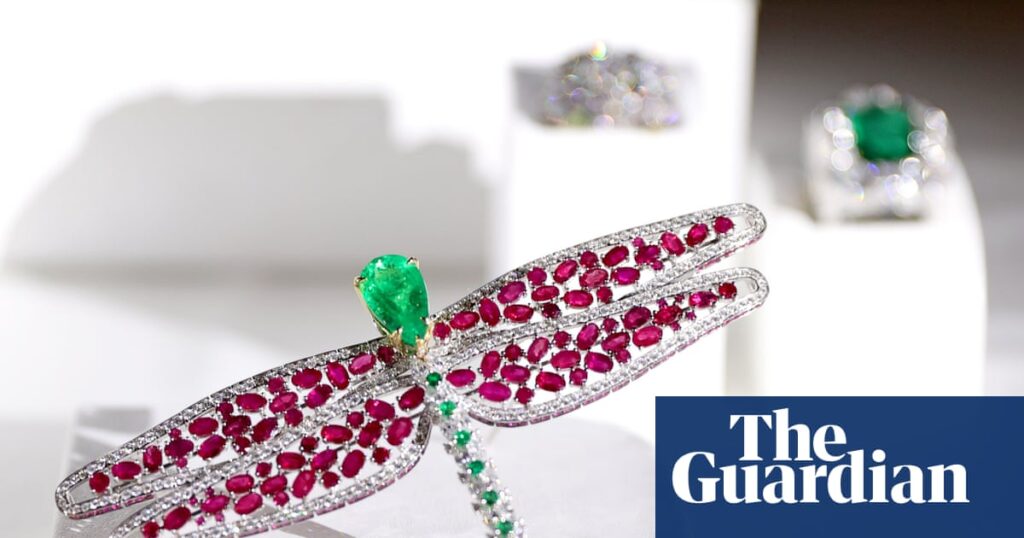
Fabergé Sold to Technology Investor in $50 Million Deal
In a significant shift within the luxury goods market, Fabergé, the illustrious jeweller renowned for its exquisite imperial Russian Easter eggs, has been sold to SMG Capital, a technology investment firm led by Sergei Mosunov, for $50 million (£37 million). This transaction marks a pivotal moment for both the storied brand and its previous owner, Gemfields, a company primarily focused on mining colored gemstones in Africa.
Background of the Sale
Gemfields, which acquired Fabergé in 2013 for $142 million from private equity firm Pallinghurst, decided to put the brand up for sale in December 2022. This decision was largely influenced by political unrest in Mozambique, which led to the temporary suspension of operations at its ruby mine. The sale reflects the broader challenges faced by Gemfields, as it grapples with declining revenues and operational hurdles.
Fabergé’s Rich Heritage
Founded in 1842 and transformed by Peter Carl Fabergé in 1882, the brand has become synonymous with luxury and craftsmanship. Fabergé is best known for its Imperial Easter eggs, commissioned by the Russian royal family starting in 1885. These ornate creations, originally made for Tsar Alexander III as gifts for his wife, Tsarina Maria Feodorovna, have become coveted collector’s items, with only 50 Imperial eggs known to exist worldwide.
However, the brand’s history is not without turmoil. Following the Russian Revolution, the Bolsheviks seized Fabergé’s workshops, leading to a cessation of production and the family’s flight across Europe. Despite these challenges, Fabergé has seen various revivals throughout the 20th century, including a notable sale in 1984 for $180 million and a subsequent acquisition by Unilever in 1989 for $1.55 billion.
The Impact of the Sale
Sean Gilbertson, CEO of Gemfields, described the sale as “the end of an era,” acknowledging Fabergé’s role in elevating the profile of colored gemstones mined by the company. He expressed a sense of loss regarding the brand’s marketing prowess and its ability to attract attention to Gemfields’ offerings.
For Mosunov, the acquisition represents a unique opportunity. As a venture capitalist and startup investor, he views the brand’s rich heritage—intertwined with Russia, England, France, and the USA—as a foundation for expanding Fabergé’s presence in the global luxury market. He stated, “It is a great honor to become the custodian of such an outstanding and globally recognized brand.”
Financial Performance and Market Challenges
Despite its illustrious past, Fabergé has faced significant challenges in recent years. The luxury goods market has experienced a downturn, impacting the brand’s revenues, which fell from $15.7 million in 2023 to $13.4 million in 2024. This decline underscores the broader struggles within the luxury sector, as consumer preferences shift and economic conditions fluctuate.
Future Prospects
With the sale, Gemfields plans to utilize the proceeds to bolster its mining operations in Mozambique and Zambia. The company has faced a steep decline in its stock value, dropping approximately 70% from its peak in 2023, largely due to oversupply issues in the emerald market and operational delays related to illegal mining activities.
Fabergé’s Legacy Beyond Eggs
While Fabergé is primarily celebrated for its extravagant Easter eggs, the brand also boasts a diverse portfolio of highly valued collector ranges, jewelry, and watches. Recently, the Castle Howard Fabergé range, featuring intricately carved animal models from stones like topaz and nephrite, was put up for auction, highlighting the brand’s ongoing appeal to collectors.
Conclusion
The sale of Fabergé to SMG Capital signals a new chapter for the iconic jeweller, one that may redefine its role in the luxury market. As Mosunov steps into the role of custodian, the future of Fabergé remains a topic of intrigue, with potential for revitalization and growth in a challenging economic landscape. The brand’s storied history, combined with its unique heritage, positions it well for a resurgence, provided it can navigate the complexities of the modern luxury goods market.










Euthanization of Rescued Sloth Raises Concerns Over Animal Welfare Practices in Florida
The euthanization of sloth Willow underscores critical issues in animal welfare and...
 1 Mins read

Five Arrested in Alleged Plot to Attack UFC Event at White House
This foiled plot highlights ongoing security challenges in the U.S., raising concerns...
1 Mins read

UFC Freedom 250 Outshines NBA Finals in Global Sports Landscape
The success of UFC Freedom 250 signals a shift in global sports...
1 Mins read


Washington DC Transforms into a UFC Arena Ahead of Historic White House Event
The upcoming White House UFC event symbolizes a shift in political engagement...
1 Mins read
