
The Impending Samsung Strike: A Potential Ripple Effect on Global Technology
Unrest at the Heart of Innovation
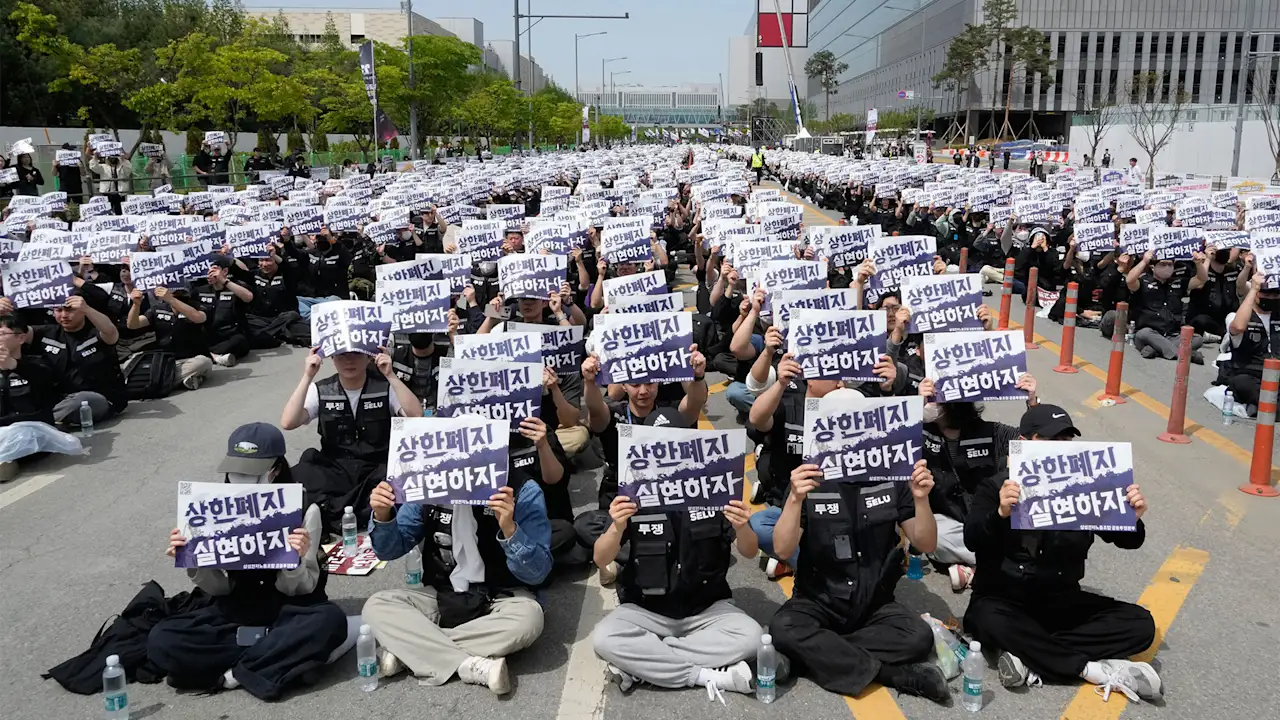
As the world stands on the brink of an unprecedented technological renaissance, a tempest brews at Samsung Electronics, a pivotal player in the semiconductor industry. Recent negotiations between the management and union leaders have collapsed, raising the specter of an 18-day strike that could send shockwaves through global supply chains and technological advancements.
With the union representing over 70,000 workers, the stakes are high. The demand for better wages comes on the heels of soaring profits driven by the AI boom, yet the management has dismissed these demands as excessive, citing the cyclical nature of the semiconductor market. The juxtaposition of record earnings and worker discontent underscores a critical tension in the modern economy—one that is particularly resonant in Miami, a city embracing technology and innovation.
Economic Consequences
The implications of a strike extend far beyond Samsung’s facilities in South Korea. Prime Minister Kim Min-seok has warned that disruptions to Samsung’s operations could inflict economic damage upwards of 100 trillion won (approximately $66 billion) on the nation’s already trade-dependent economy. Miami, with its rapidly growing tech sector, relies heavily on global supply chains. A significant disruption in chip manufacturing could lead to increased prices and delayed technological advancements, creating a ripple effect felt in the Magic City.
As businesses in Miami increasingly adopt AI and other advanced technologies, the potential scarcity of components could hamper innovation and investment in local startups. The city’s tech ecosystem, characterized by its entrepreneurial spirit, could face challenges if major suppliers like Samsung falter.
Shifting Dynamics in the Semiconductor Market
The semiconductor industry is undergoing a transformation, with Samsung and SK Hynix controlling nearly two-thirds of the global memory chip market. As demand surges due to the proliferation of AI technologies, the existing tensions within Samsung highlight a broader industry challenge: balancing profitability with equitable compensation for workers.
Experts suggest that a strike at Samsung could exacerbate supply shortages, driving prices higher and potentially stalling AI infrastructure investments across the globe. For Miami’s tech entrepreneurs, this scenario poses a dual challenge: navigating increased costs while also competing in a market that demands rapid innovation.
A Critical Crossroad for Labor Relations
The discord between Samsung’s management and its union mirrors a larger conversation occurring across industries worldwide. Labor movements are gaining momentum as workers seek fair compensation in industries that have thrived during economic booms. In this context, the negotiations at Samsung serve as a microcosm of the tensions between corporate profitability and worker rights.
The union’s proposal calls for a compensation structure that allocates 15% of annual operating profits to employee bonuses, a move that management views as impractical. This tug-of-war reflects the growing need for companies to rethink their strategies regarding employee engagement and compensation, especially as the workforce becomes increasingly vocal about its demands.
The Miami Connection
As Miami positions itself as a burgeoning tech hub, the city must remain vigilant about the implications of global supply chain disruptions. The potential fallout from the Samsung strike could serve as a cautionary tale for local businesses, emphasizing the need for resilience and adaptability in an interconnected economy.
Moreover, as Miami attracts talent and investment in tech, real estate, and lifestyle sectors, the city’s leaders must consider how external factors—like a strike at a global semiconductor giant—can impact local growth. Building a robust local supply chain and diversifying partnerships may be key strategies for mitigating risks associated with global disruptions.
Conclusion
The unfolding situation at Samsung Electronics is a critical moment not only for the company but also for the global economy. As the Miami business community watches closely, the lessons learned from this potential strike could inform future strategies, encouraging a balance between innovation, labor rights, and economic viability. In an era defined by rapid technological advancement, the interplay of these elements will shape the future landscape of industries both locally and globally.
Editorial note: This article was created by A Bit Lavish Miami’s Magazine as an original editorial reinterpretation based on publicly available reporting. Original source: fastcompany.com. Read the original article here: https://www.fastcompany.com/91545467/samsung-heading-towards-strike-impact-glboal-chip-supplies-smartphones.
Images are used for editorial reference with source credit. If an image requires correction or removal, please contact A Bit Lavish.










2026 New York Mets Face Disastrous Season Amidst Organizational Turmoil
The performance of the 2026 Mets highlights critical issues in sports management...
 1 Mins read

From Tech Titan to Print Pioneer: A Journey of Entrepreneurial Empowerment
Explore the transformative experience of a former Amazon executive who transitioned into...
2 Mins read



Beyond the AI Hype: Cultivating Trust as the Cornerstone of Effective Leadership
In an age dominated by AI discussions, true leadership is defined by...
2 Mins read

Fox Secures Historic Victory at The Open Championship
Fox's triumph at The Open underscores a pivotal moment in golf, influencing...
1 Mins read