
Moscow Oil Refinery Engulfed in Flames Amid Escalating Conflict; Zelensky Engages G7 Leaders
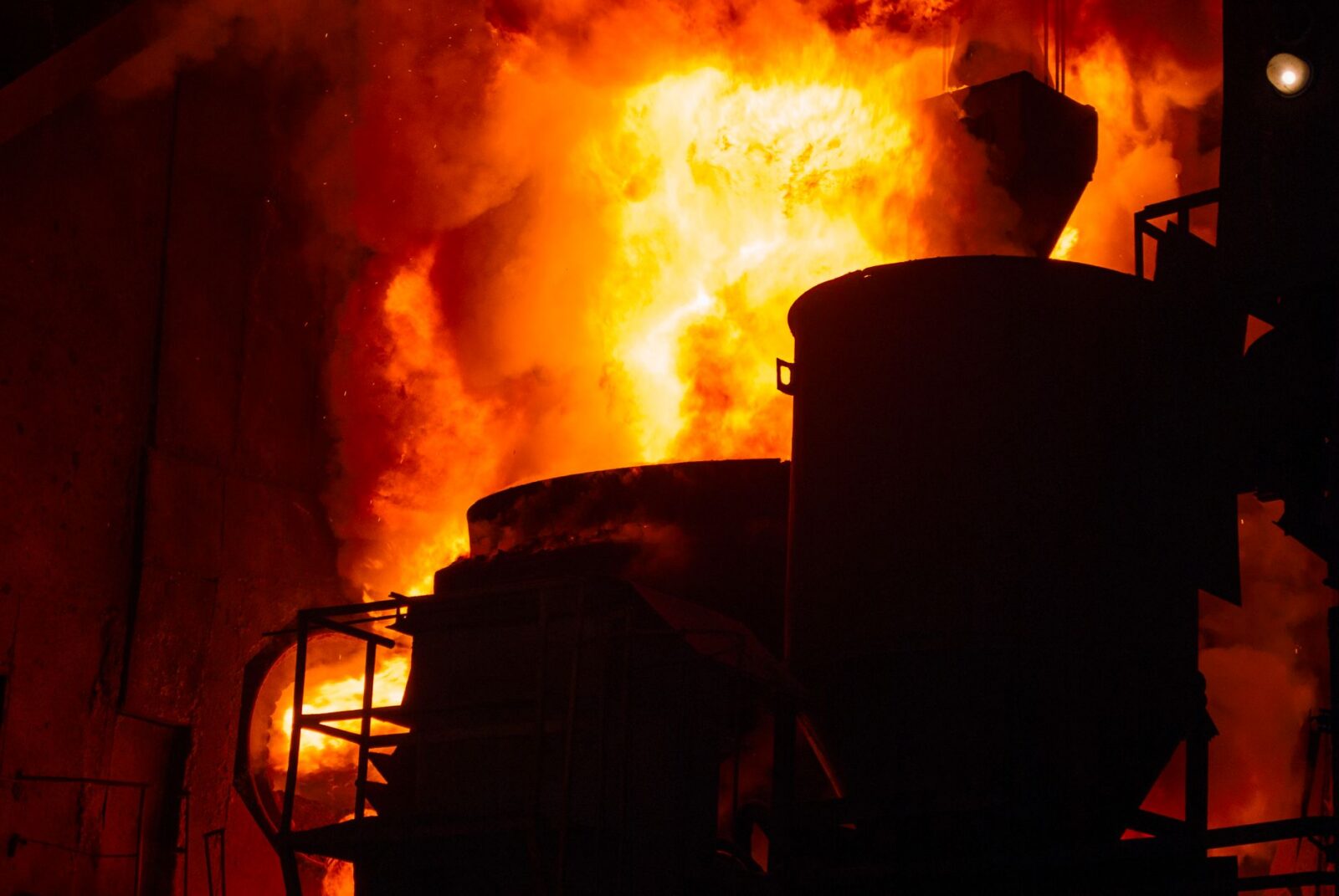
In a significant development this morning, a fire broke out at a major oil refinery in Moscow, described by Russian authorities as a ‘just response’ to the ongoing Ukrainian military actions against Russian targets. This incident marks a notable escalation in the conflict, highlighting the increasing volatility and retaliatory nature of the war that has persisted for over two years.
Ukrainian President Volodymyr Zelensky, currently attending the G7 summit in Hiroshima, Japan, is at the forefront of international discussions surrounding the war. His presence at the summit, which includes leaders from Canada, France, Germany, Italy, Japan, the United Kingdom, and the United States, emphasizes the global stakes involved in the Ukraine conflict. The G7 leaders are expected to address the implications of the recent attacks and the broader energy crisis exacerbated by the war.
The implications of the Moscow refinery fire extend beyond immediate military strategies. As global energy markets are already strained by the ongoing war, any disruption in Russian oil production could lead to further volatility in oil prices, impacting economies worldwide. This incident serves as a stark reminder of the interconnectedness of geopolitical conflicts and global energy security, raising concerns among investors and policymakers alike.
Looking ahead, the situation remains precarious. The potential for further retaliatory strikes could escalate tensions between Ukraine and Russia, prompting a reevaluation of military strategies on both sides. Additionally, the G7’s response to Zelensky’s appeals for increased support and sanctions against Russia will be crucial in shaping the trajectory of this conflict. As the world watches, the actions taken in the coming days could significantly influence not only the outcome of the war but also the stability of global markets.
Source: The Kyiv Independent







Trump’s Alleged Remarks About Netanyahu Stir Controversy Amidst U.S.-Israel Relations
The alleged comments by Trump could reshape perceptions of U.S.-Israel relations and...
 1 Mins read

UN Experts Accuse Israel of Targeting Children in Gaza, Reinforce Genocide Claims
The international community grapples with escalating accusations against Israel amid ongoing conflict...
1 Mins read
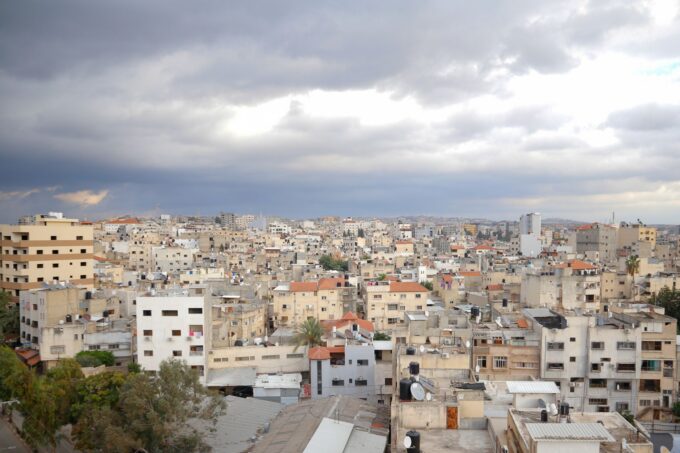
IDF Engages in West Bank Operation, Resulting in Palestinian Fatality
The IDF's actions in the West Bank heighten tensions amidst ongoing Israeli-Palestinian...
1 Mins read



UN Experts Accuse Israel of Targeting Children in Gaza, Renew Genocide Allegations
UN experts' accusations against Israel highlight urgent global concerns over civilian safety...
1 Mins read

Leave a comment