
National Guard’s Year-Long Presence in Washington D.C. Marks Unprecedented Military Engagement
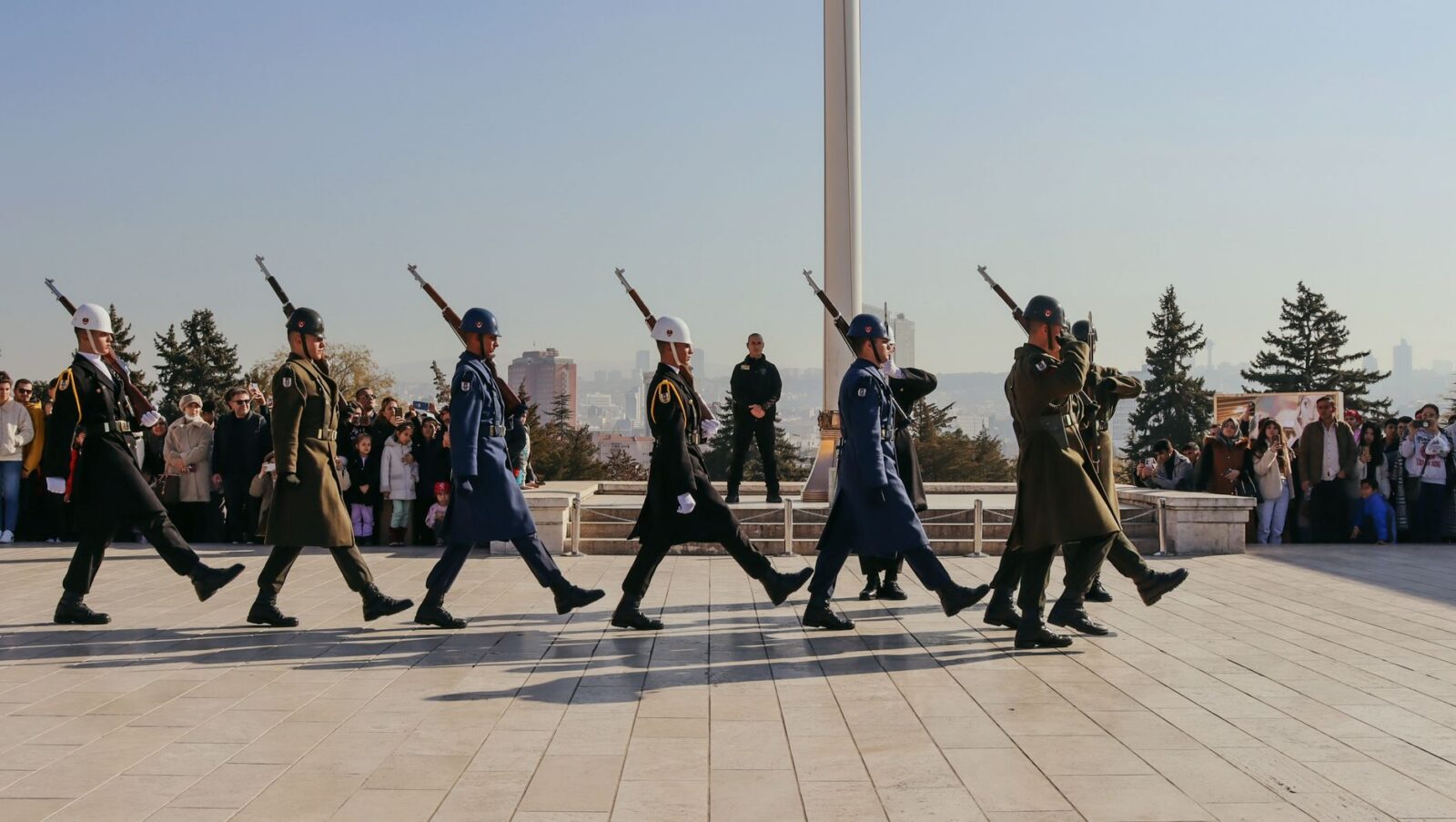
As of August 11, 2026, the National Guard remains actively deployed in Washington D.C., marking one year of an unprecedented military presence under the directive of former President Donald Trump. This deployment, initially justified as a response to civil unrest and security concerns, has raised alarms regarding the military’s role in domestic governance and the implications for civil liberties.
The National Guard’s presence was first established in August 2025, following a series of protests and violent incidents that prompted federal intervention. This year-long deployment has not only solidified the military’s physical presence in the nation’s capital but has also sparked debates about the constitutional limits of military involvement in civilian matters. The decision has been met with mixed reactions from political leaders, civil rights organizations, and the public.
Currently, the situation is drawing significant attention as lawmakers and advocacy groups call for a reevaluation of the National Guard’s role in urban settings. Critically, this development highlights broader concerns regarding the erosion of democratic norms and the potential normalization of military oversight within civilian environments. As the nation approaches the anniversary of this deployment, discussions surrounding military accountability and civil rights are intensifying.
Looking ahead, potential outcomes may include legislative proposals aimed at restricting military involvement in domestic law enforcement, increased scrutiny from judicial bodies, and public demonstrations advocating for civil liberties. The coming months may see heightened political discourse as stakeholders navigate the implications of this unprecedented military engagement in Washington D.C.






New Misconduct Complaint Filed Against Winnebago County Judge Scott Woldt
The complaint against Judge Woldt raises critical questions about judicial integrity and...
 1 Mins read

Mexico Petitions U.S. Supreme Court Over NAFTA Arbitration Award
This legal move underscores the ongoing complexities of international trade agreements and...
1 Mins read
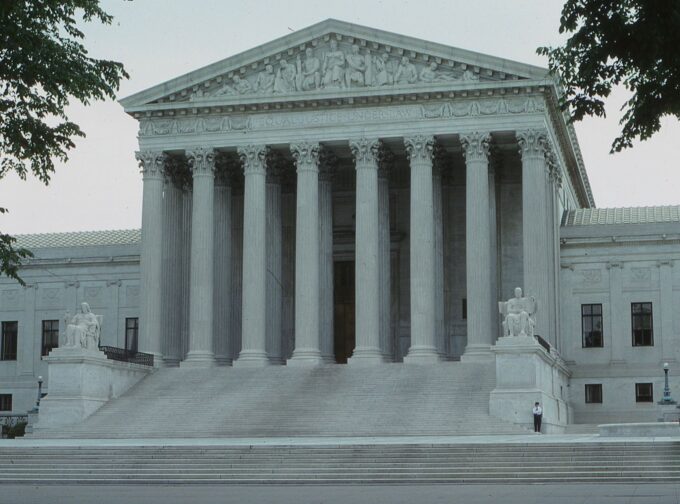
Supreme Court Schedules Hearing for Catholic Preschools in Colorado’s Universal Program Case
The Supreme Court's decision to hear this case could redefine educational funding...
1 Mins read



Farm Bill Stalls in Senate Agriculture Committee
The delay in the Farm Bill negotiations raises concerns about agricultural policy...
1 Mins read
Leave a comment