
NATO’s Future in Question as US Influence Wanes – July 9, 2026
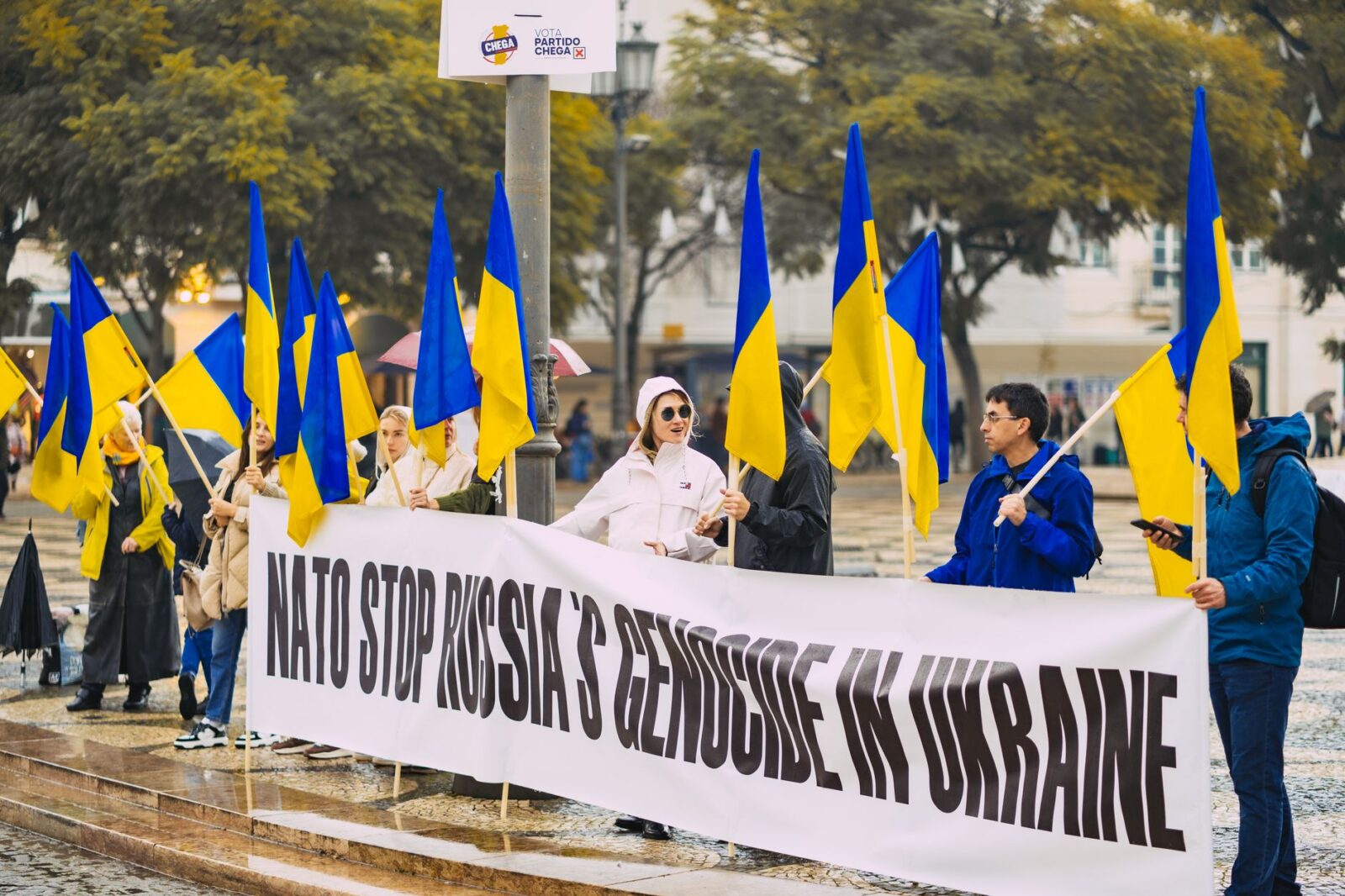
In recent discussions among NATO leaders, the viability of the alliance in a post-US influence era has emerged as a pivotal topic. This discourse comes amid increasing tensions in Eastern Europe and the Middle East, where the absence of American leadership may alter the strategic landscape significantly. Key figures in this debate include NATO Secretary General Jens Stoltenberg, who has emphasized the necessity for European nations to bolster their defense capabilities independently.
The backdrop for this conversation is marked by the United States’ ongoing focus on domestic issues and its evolving foreign policy, which some analysts suggest could lead to a reduced military presence in Europe. Allies such as France and Germany are increasingly vocal about the need to reassess their defense strategies, acknowledging that reliance on the US may no longer be tenable. This shift is underscored by recent military exercises in which European forces have operated with minimal American support, signaling a potential pivot towards greater self-sufficiency.
This development matters at a global scale as it raises fundamental questions about the future of transatlantic security. If NATO were to function effectively without the US, it would necessitate a reconfiguration of military alliances and strategic partnerships, particularly in the face of resurgent threats from Russia and instability in the Middle East. A lack of American engagement could embolden adversaries and create a power vacuum, with significant implications for global geopolitical dynamics.
Looking ahead, the prospect of a NATO that operates independently of US influence could reshape the alliance’s mission and objectives. European nations may need to increase defense spending, possibly leading to greater military integration within the EU. The outcome of these discussions will be critical in determining not only the future of NATO but also the broader implications for international security and diplomatic relations worldwide.
Source: Eurasia Review









Pentagon Urges Rapid AI Development, Catalyzing Smack’s New Funding Round
The Pentagon's push for accelerated AI advancements propels Smack Technologies into a...
 1 Mins read
Supreme Court Rejects Trump’s Appeal on E. Jean Carroll Payment
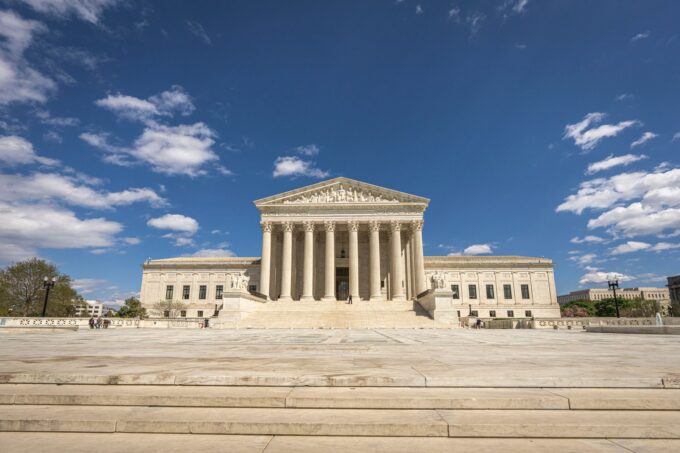
The Supreme Court's decision to reject Trump's appeal underscores ongoing legal battles...
1 Mins read
Supreme Court Rejects Trump’s Appeal on $5 Million E. Jean Carroll Verdict
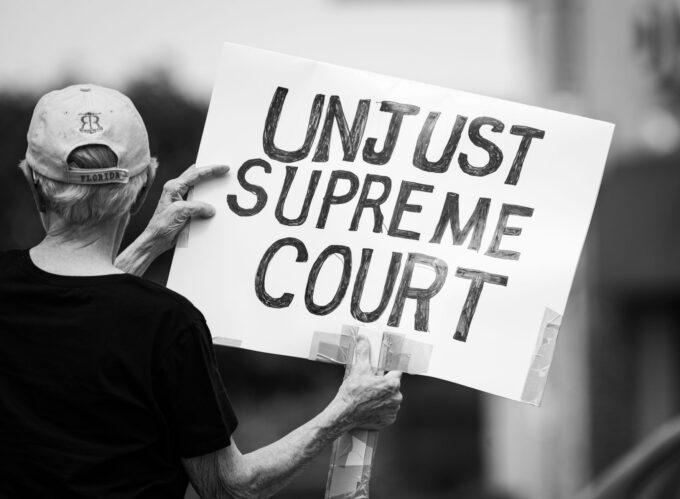
The Supreme Court's refusal to overturn the Carroll verdict underscores ongoing legal...
1 Mins read


GOP Appeals Election Measure Ballot Description to Arizona Supreme Court
This case could redefine ballot measures and voter engagement in Arizona, impacting...
1 Mins read
