
Navi Pillay Awarded Nobel Peace Prize Amid U.S. Sanctions on ICC

MIAMI — October 10, 2026
Navi Pillay, the former United Nations High Commissioner for Human Rights, has been awarded the Nobel Peace Prize for her tireless advocacy in the field of human rights. This prestigious recognition comes at a pivotal moment, as the United States has imposed sanctions on the International Criminal Court (ICC) just hours after the announcement of Pillay’s award, underscoring the ongoing geopolitical tensions surrounding international justice.
The Nobel Committee announced Pillay as the recipient of the 2026 Nobel Peace Prize on October 10, 2026, citing her significant contributions to the promotion and protection of human rights globally. Pillay, a South African lawyer, has been a prominent figure in international human rights law, advocating for justice and accountability in various conflict zones.
In a related development, the U.S. Department of State confirmed the imposition of sanctions against the ICC, which has been a point of contention for the U.S. government, particularly regarding its investigations into alleged war crimes by American personnel. The sanctions, announced on the same day as Pillay’s award, are seen as a direct response to the ICC’s actions and reflect the U.S. administration’s ongoing opposition to the court’s jurisdiction over its nationals.
The sanctions include asset freezes and travel bans for ICC officials involved in investigations that the U.S. deems politically motivated. This move has drawn criticism from various human rights organizations, which argue that it undermines the ICC’s ability to hold perpetrators of serious crimes accountable.
The juxtaposition of Pillay’s recognition and the U.S. sanctions highlights a significant moment in the discourse surrounding international law and human rights. Pillay’s award is receiving widespread attention not only for her individual achievements but also for the implications it has on the global human rights landscape, particularly in light of the U.S. government’s stance against the ICC.
This development matters on multiple levels. Locally, it reinforces the importance of human rights advocacy in South Africa, where Pillay’s legacy continues to inspire new generations. Nationally, it raises questions about the U.S. commitment to international justice and its implications for global governance. Regionally, it may influence how African nations engage with the ICC, especially given Pillay’s African heritage and her role in advocating for justice on the continent. Globally, it underscores the ongoing struggle between national sovereignty and international accountability.
Looking ahead, the international community will likely respond to the U.S. sanctions, with potential calls for reform within the ICC and discussions on how to balance national interests with the need for accountability in international law. Furthermore, Pillay’s recognition may galvanize further advocacy efforts, potentially leading to increased scrutiny of nations that resist international legal frameworks.
Source: ABC News & Headlines – Australian Broadcasting Corporation










LA County Fire Search and Rescue Team Deployed to Panama Following Earthquakes
The LA County Fire search and rescue team is responding to significant...
 2 Mins read

Hurricane Isaias Makes Landfall in Florida, Downgraded to Tropical Storm
Hurricane Isaias has made landfall in Florida, prompting public safety concerns and...
1 Mins read
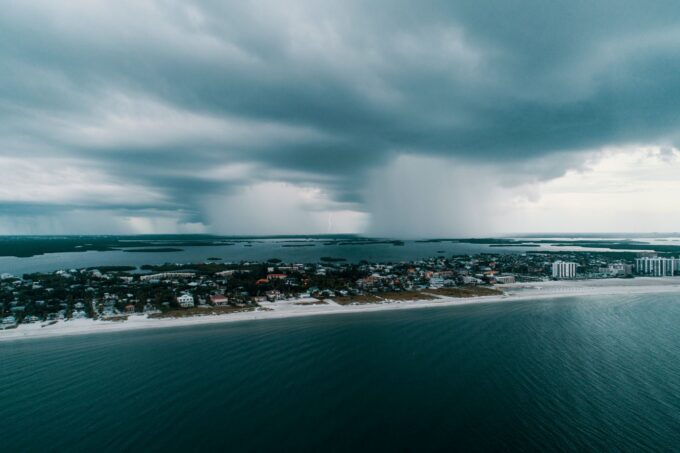
Norfolk Braces for Flooding as Hurricane Isaias Approaches
Hurricane Isaias poses a significant threat to Norfolk, prompting preparations for potential...
2 Mins read
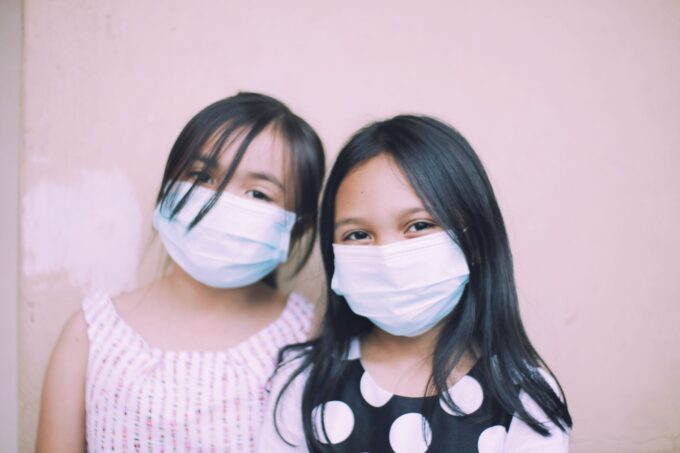


Confirmed Measles Case Triggers School Closures in Philadelphia Area
A confirmed measles case has led to multiple school closures in the...
2 Mins read

Leave a comment