
Navigating Tensions: The Complex Geopolitical Landscape of U.S.-Iran Relations
The Ebb and Flow of Military Strategy
In recent days, the geopolitical landscape has been marked by a series of swift developments concerning U.S.-Iran relations, which have teetered on the edge of full-scale conflict. Following a series of threatening remarks, U.S. President Donald Trump announced a sudden withdrawal from proposed military strikes against Iran. This decision, articulated through a social media post, came on the heels of escalating threats aimed at seizing control of Iran’s critical oil industry.
Trump’s pivot toward dialogue suggests that high-level discussions have taken place, encompassing not only U.S. officials but also the leadership of Iran and regional allies. This back-and-forth highlights the volatile nature of international negotiations, where the balance between military posturing and diplomatic engagement is precarious at best.
Market Implications of Geopolitical Tensions
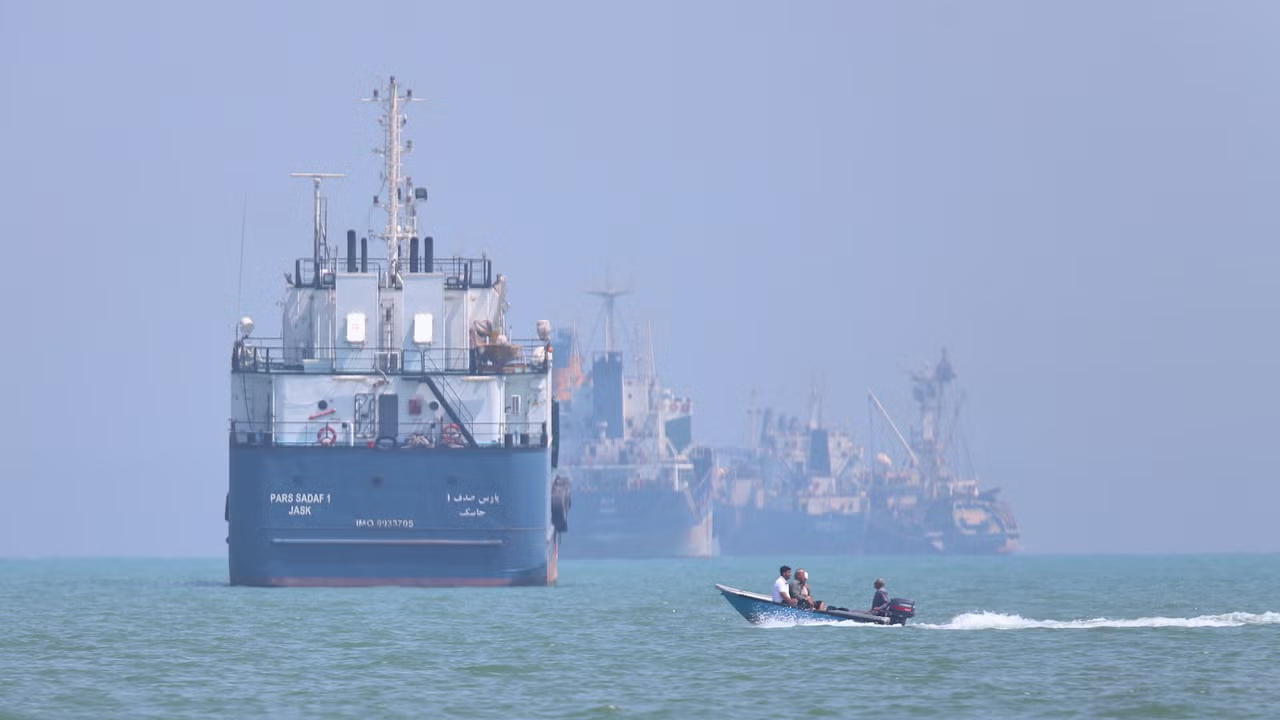
The tension between the United States and Iran has profound implications for global markets, particularly in the energy sector. The Strait of Hormuz, through which approximately 90% of Iran’s oil exports transit, has become a focal point of concern. Trump’s threats to take control of Kharg Island, Iran’s primary oil terminal, if acted upon, could disrupt global energy supplies, driving fuel prices upward and impacting economies far beyond the Middle East.
The escalating strife has already prompted reactions from energy markets, with investors closely monitoring developments. The intertwining of military strategy and economic stability underscores the delicate balance that leaders must navigate, especially as consumer prices for essentials, including food and fuel, surge in response to geopolitical instability.
The Fragile Nature of Ceasefire Agreements
Despite the apparent thaw in tensions with the recent announcement of a ceasefire, the situation remains fraught with uncertainty. Iran’s reaction to U.S. military actions—described as rendering the ceasefire ‘meaningless’—is indicative of the broader challenges in reaching a sustainable resolution. The complexity of the negotiations is compounded by Iran’s insistence that any agreement must also address conflicts involving allied militant groups, such as Hezbollah.
This multi-layered conflict requires a nuanced understanding of regional dynamics, as leaders grapple with the implications of their actions not only for national security but also for international relations as a whole.
The Human Cost of Conflict
Amidst the political maneuvering and military threats, the human toll of this ongoing conflict cannot be overlooked. Voices from within Iran reflect a deep-seated anxiety about the future, with citizens expressing fears of chaos and instability. Economic hardship, exacerbated by the war, has led to widespread discontent, with basic necessities becoming increasingly unaffordable.
The sentiments of ordinary Iranians serve as a stark reminder of the consequences of geopolitical decisions, highlighting the importance of considering the humanitarian aspects of international relations. As the region stands at a crossroads, the need for dialogue and understanding is more pressing than ever.
Global Reactions and the Path Forward
The international community is keenly observing the unfolding events, with various voices weighing in on the potential repercussions of U.S. military action. The U.S. Treasury’s announcement to extract funds from frozen Iranian accounts as reparations for damages incurred by American allies further complicates the situation, signaling a hardline approach that could stymie diplomatic progress.
As discussions continue, the risk of miscalculation looms large. The need for clear communication and mutual understanding is imperative to prevent further escalation and to encourage a return to diplomatic channels. Leaders must prioritize dialogue over aggression, as the stakes are high not only for the nations involved but for global stability as a whole.
The Future of U.S.-Iran Relations
Looking ahead, the future of U.S.-Iran relations remains uncertain. While the recent announcements may suggest a temporary cooling of tensions, the underlying issues—ranging from nuclear ambitions to regional conflicts—persist. The interplay of military strategy, economic interests, and humanitarian concerns will shape the trajectory of this complex relationship.
As Miami continues to position itself as a hub for international business and diplomacy, the lessons learned from the U.S.-Iran dynamic may prove invaluable. Understanding the intricate balance between power and negotiation can offer insights for local leaders and businesses navigating their own challenges in an increasingly interconnected world.
Editorial note: This article was created by A Bit Lavish Miami’s Magazine as an original editorial reinterpretation based on publicly available reporting. Original source: fastcompany.com. Read the original article here: https://www.fastcompany.com/91558206/iran-us-ceasefire-hezbollah-israel.
Images are used for editorial reference with source credit. If an image requires correction or removal, please contact A Bit Lavish.










Navigating the New Landscape of Home Affordability: A Deep Dive into Market Trends
Explore the evolving dynamics of home affordability in the U.S. housing market...
 2 Mins read
Rethinking Economic Narratives: The End of the K-Shaped Economy?
Treasury Secretary Scott Bessent declares the end of the K-shaped economy, but...
2 Mins read
Fantasy Baseball Trade Deadline Spurs Strategic Shifts in Bullpen Dynamics
The August 2026 trade deadline reshapes bullpen roles, impacting team strategies and...
1 Mins read



Jefry Yan Celebrations Mark a New Era in Major League Baseball
The global sports community recognizes Jefry Yan's achievements, highlighting the evolving landscape...
1 Mins read
