

Emerging Trends in Mortgage Distress
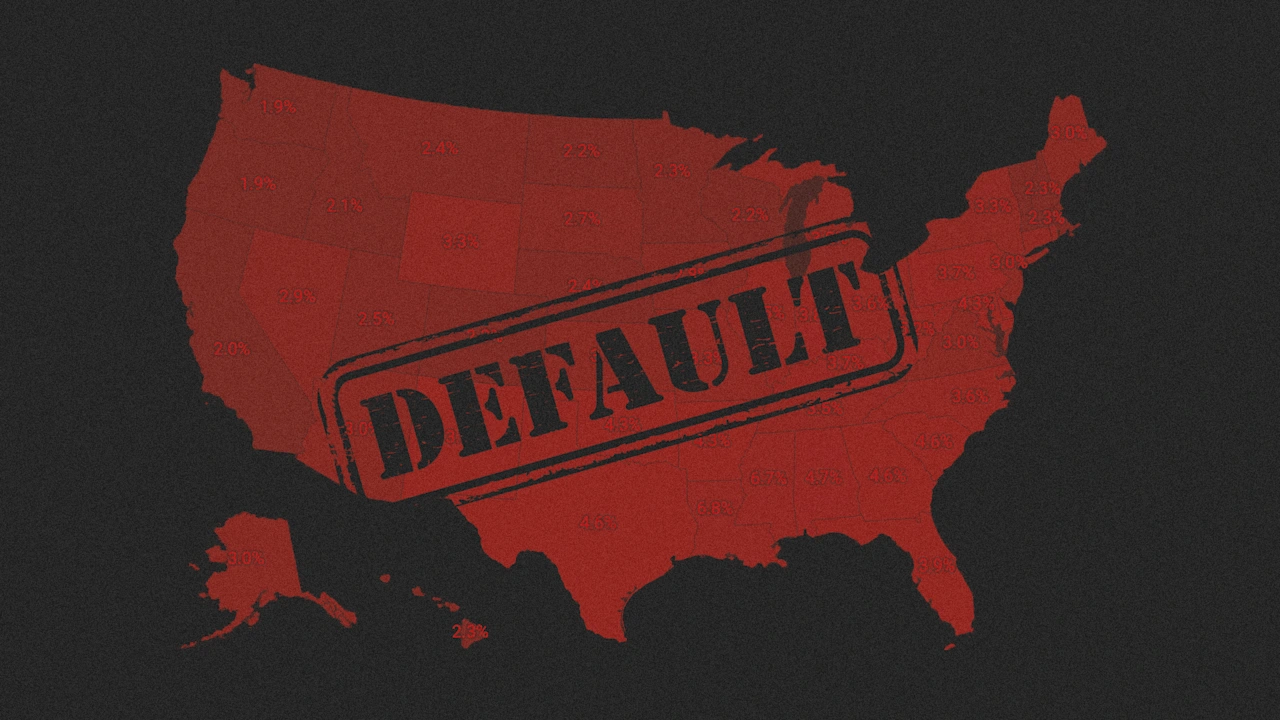
The landscape of the U.S. housing market is undergoing a transformation as it continues to grapple with the aftereffects of the pandemic. With mortgage distress emerging as a key indicator of market health, understanding the nuances of this evolving situation is essential for homeowners, investors, and industry leaders alike.
A Historical Perspective
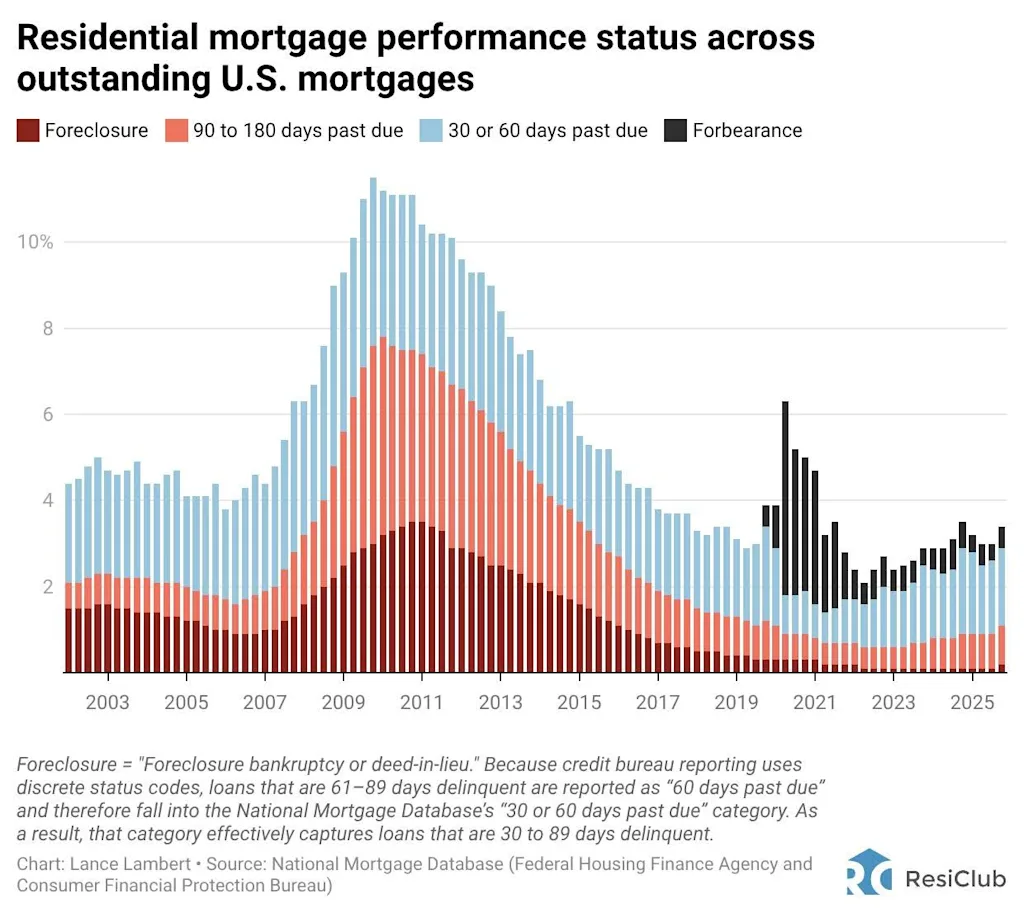
To comprehend the current state of mortgage distress, it is vital to reflect on the trends that preceded it. The onset of the COVID-19 pandemic prompted the federal government to implement a nationwide foreclosure moratorium, providing a crucial lifeline for homeowners grappling with economic uncertainty. This intervention, coupled with a skyrocketing demand for housing, led to unprecedented levels of homeowner equity and a significant decrease in foreclosure rates.
However, as these protective measures have gradually been lifted, early-stage delinquencies have begun to surface, signaling a return to a more normalized housing market. Recent data indicates that the proportion of borrowers falling behind on their mortgage payments has been on the rise since 2022, with serious delinquencies following suit. This shift suggests that while the immediate crisis may have abated, the underlying stress in the market is beginning to reveal itself.
The Current State of Distress
As of the end of 2025, total housing distress—encompassing mortgages at various stages of delinquency—remains relatively low in comparison to the tumultuous period of the late 2000s. At its peak during the Great Financial Crisis, the distress rate soared to over 11.5%, whereas current figures hover around 2.9%. While elevated relative to the historic lows observed during the pandemic, this figure still indicates a market that is resilient in the face of challenges.
It is noteworthy that the most pronounced distress is found not in the booming markets of the pandemic era, such as Austin or Cape Coral, but rather in states like Louisiana and Mississippi. These regions have been particularly vulnerable to economic shocks, including rising insurance costs and consumer credit challenges, leading to a notable uptick in delinquencies.
Regional Disparities in Housing Distress
The housing distress landscape is far from uniform across the United States. States such as Louisiana and Mississippi are experiencing significant challenges, with many areas facing pricing pressures despite previously stable markets. The concentration of distress in these regions serves as a critical reminder that the recovery from the pandemic-induced economic volatility varies widely across different locales.
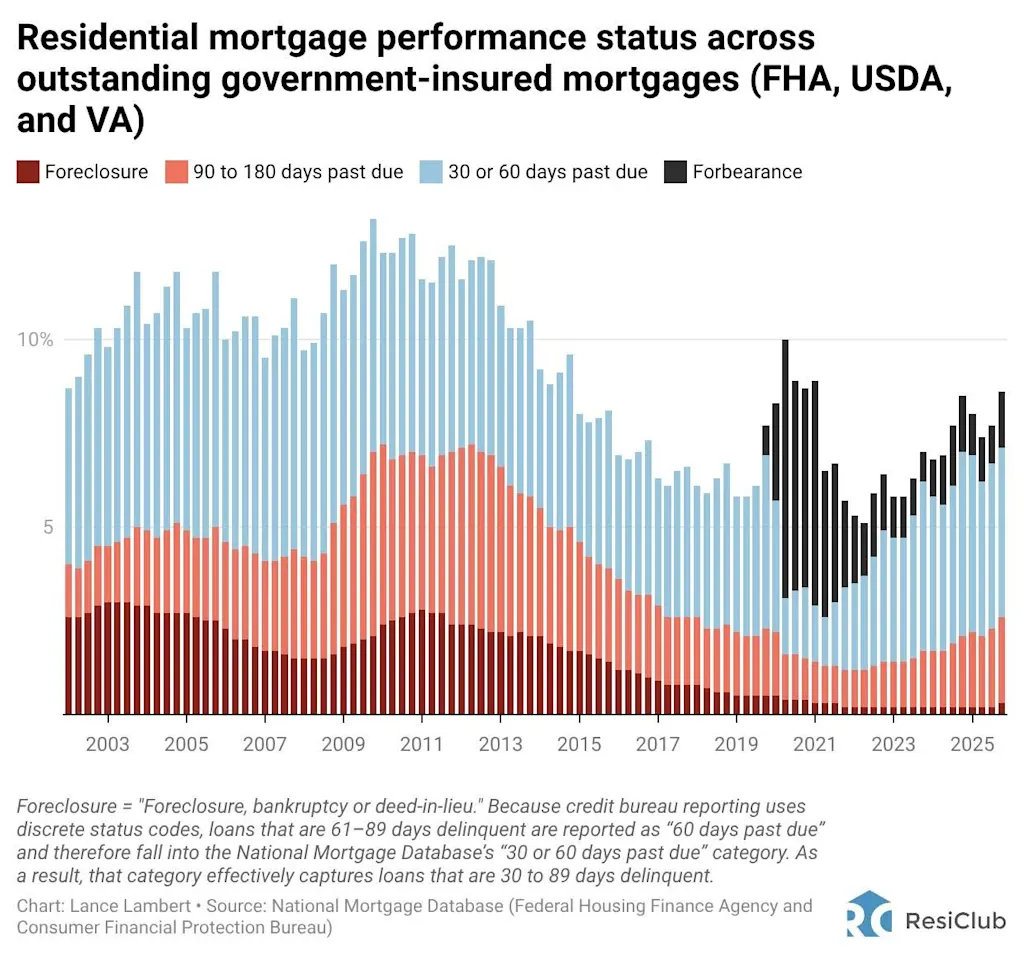
While government-backed mortgages, particularly those insured by the FHA, have seen a disproportionate rise in delinquencies, the overall market is still characterized by a sense of stability compared to previous downturns. FHA loans, often utilized by first-time homebuyers and lower-income families, now account for a notable share of mortgage debt, emphasizing the need for targeted strategies to support these vulnerable groups.
Strategic Implications for Homeowners and Investors
As the market continues to normalize, both homeowners and investors must navigate the evolving landscape with a keen eye on emerging trends. For homeowners, understanding the potential for increased mortgage distress can inform better financial planning and risk management strategies. Investors, on the other hand, may find opportunities to acquire properties in distressed markets, but must also be cautious of the long-term implications of rising delinquency rates.
The current environment underscores the importance of proactive measures, such as maintaining open lines of communication with lenders and exploring available resources for assistance. With the right strategies in place, stakeholders can position themselves to weather the transitions ahead successfully.
Looking Ahead: A Balanced Perspective
While the current rise in mortgage distress signals challenges ahead, it is essential to maintain perspective. The U.S. housing market is not on the brink of another catastrophic crisis but is instead adjusting to a new equilibrium post-pandemic. With levels of distress remaining significantly lower than those observed during the Great Financial Crisis, the focus should be on monitoring trends and preparing for the potential shifts that lie ahead.
As Miami continues to thrive as a vibrant hub for real estate investment and innovation, the lessons drawn from this national narrative are particularly relevant. Stakeholders in the Miami market must stay informed and agile, ready to adapt to both local and national developments in mortgage distress and housing trends.
Editorial note: This article was created by A Bit Lavish Miami’s Magazine as an original editorial reinterpretation based on publicly available reporting. Original source: fastcompany.com. Read the original article here: https://www.fastcompany.com/91537753/housing-market-which-markets-have-most-least-mortgage-distress-right-now.
Images are used for editorial reference with source credit. If an image requires correction or removal, please contact A Bit Lavish.










Strategic Escapes: The Art of Vacationing as a Solopreneur
Explore the essential strategies for solopreneurs to effectively plan vacations without sacrificing...
 2 Mins read

Navigating the Ethical Frontier: Claude’s Evolution in AI Agency
Exploring the implications of agentic AI through Amanda Askell's insights on Claude,...
3 Mins read

Reimagining the Office: From Mandate to Magnet
Explore how businesses are redefining the role of the office as a...
2 Mins read



Harnessing Creativity: A New Paradigm for Business Leadership
Exploring how applied creativity can redefine business success and leadership in the...
2 Mins read
