

From Digital Optimism to Reassessment
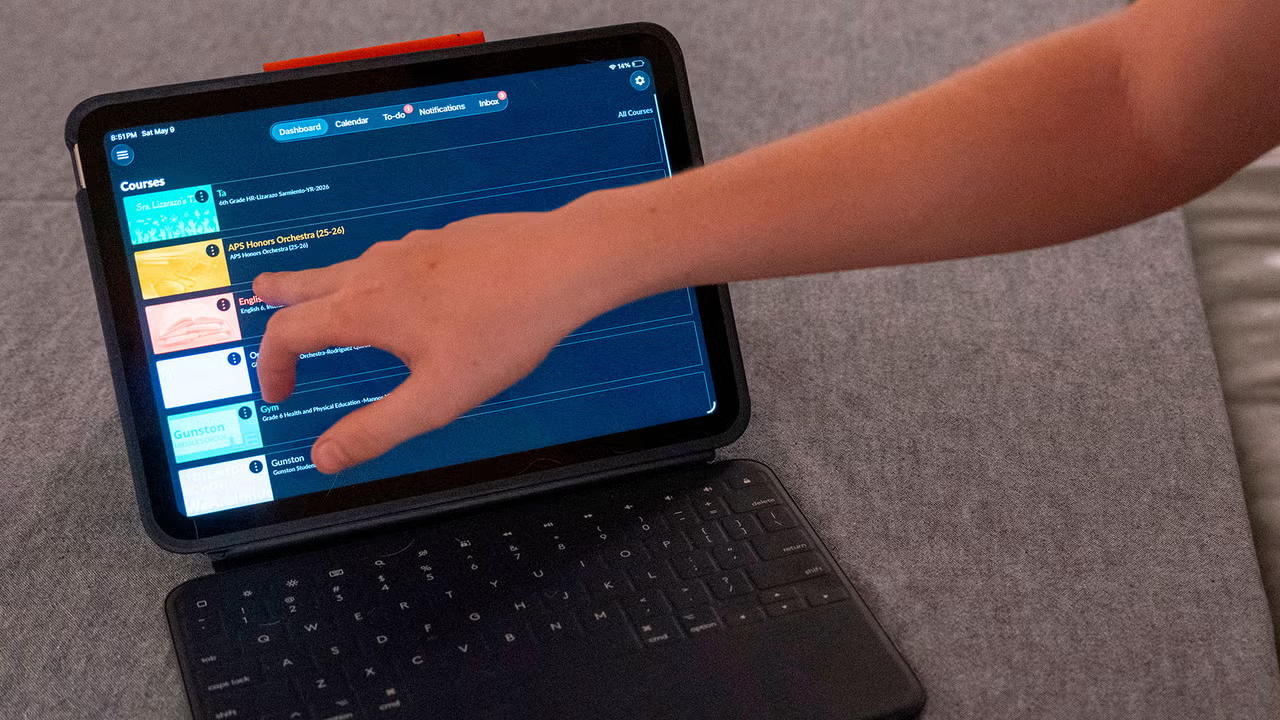
In the not-so-distant past, the narrative surrounding education technology in America was overwhelmingly optimistic. Schools across the nation embarked on ambitious initiatives to equip every student with laptops and tablets, believing that these devices would serve as gateways to a future rich in digital learning. However, only a few years later, a significant shift has emerged, fueled by a growing concern over the pervasive presence of screens in classrooms.
Anna Soffer, a middle school teacher in Los Angeles, encapsulates the frustration many educators feel. With her classroom increasingly dominated by Chromebooks, she now faces daily challenges in maintaining student engagement. The allure of gaming and social media often trumps academic pursuits, leading to a pressing discussion among educators, parents, and policymakers about the need to reassess the role of technology in learning.
Policy Changes on the Horizon
In a landmark move, the Los Angeles Unified School District (LAUSD) has taken a bold step in addressing these concerns. The district recently passed a resolution that not only halts the distribution of devices to its youngest students but also imposes strict screen time limits for older grades. This policy underscores a growing recognition that while technology has its merits, unchecked screen time may hinder rather than help educational outcomes.
The LAUSD’s actions have sparked a wave of similar initiatives across the country, with at least 14 states considering legislation aimed at limiting screen time in educational settings. As districts begin to grapple with the implications of digital saturation, the conversation is shifting from the necessity of devices to the balance of their use in fostering effective learning environments.
The Pandemic’s Unintended Consequences
The rapid transition to digital learning during the COVID-19 pandemic further complicated this landscape. Schools scrambled to provide students with the necessary technology to facilitate remote education, resulting in an unprecedented spike in device distribution. As a result, an entire generation of students became accustomed to learning through screens, blurring the lines between educational engagement and digital distraction.
Educators like Nick Melvoin of LAUSD are now calling for a reset. Melvoin emphasizes the need for a reevaluation of how technology is integrated into teaching methods, advocating for a return to more traditional forms of instruction that prioritize critical thinking and creativity over mere screen use. This sentiment resonates deeply with parents who have grown increasingly concerned about the potential for digital addiction among their children.
Voices of Concern from Parents and Educators
Across the nation, parents are banding together in response to the rise of school-issued devices. Groups like Schools Beyond Screens in Los Angeles exemplify this grassroots movement, as concerned mothers and fathers advocate for reduced screen time and increased reliance on traditional educational materials. The frustrations of parents often stem from the dissonance between home and school screen time policies, leading to an uphill battle against the digital temptations their children face.
For families like that of Katie Pace, the challenge is particularly acute. Despite implementing strict screen time rules at home, her eighth-grade daughter finds herself immersed in digital distractions the moment she boards the school bus. This duality raises critical questions about the efficacy of educational technology and its long-term implications for student well-being and academic performance.
The Financial and Educational Implications
Financial considerations also play a role in this evolving landscape. Districts such as Fresno Unified in California are reevaluating the costs associated with device maintenance and repair, leading to strategic shifts in how technology is utilized within classrooms. With substantial funds being redirected from traditional materials to digital platforms, educators and administrators are compelled to assess the true value of these investments, especially in light of declining test scores and student engagement.
As Miami’s educational institutions navigate these challenges, a local focus on balanced technology use may emerge as a model for other districts to follow. By fostering environments that blend traditional learning with technology judiciously, schools can aim to enhance student outcomes while mitigating the risks associated with excessive screen time.
Looking Ahead: Finding the Right Balance
The ongoing dialogue surrounding screen time in education reflects a broader societal concern about the implications of digital immersion. As parents and educators work collectively to redefine the relationship between technology and learning, it is clear that a balanced approach is essential. The lessons learned from this digital reckoning will shape the future of education, guiding schools toward a sustainable model that prioritizes student well-being and academic success in an increasingly digital world.
Editorial note: This article was created by A Bit Lavish Miami’s Magazine as an original editorial reinterpretation based on publicly available reporting. Original source: fastcompany.com. Read the original article here: https://www.fastcompany.com/91548060/screens-saturating-u-s-classrooms-fueling-backlash-school-issued-devices.
Images are used for editorial reference with source credit. If an image requires correction or removal, please contact A Bit Lavish.










The Evolution of the Foldable Smartphone: A New Era of Personalization
As the foldable smartphone revolution unfolds, we analyze its implications for user...
 3 Mins read

Navigating Change: KCRW’s Blueprint for Public Media Resilience
Explore how KCRW in Los Angeles is redefining public media engagement amidst...
2 Mins read

Strategic Escapes: The Art of Vacationing as a Solopreneur
Explore the essential strategies for solopreneurs to effectively plan vacations without sacrificing...
2 Mins read



Navigating the Ethical Frontier: Claude’s Evolution in AI Agency
Exploring the implications of agentic AI through Amanda Askell's insights on Claude,...
3 Mins read
