

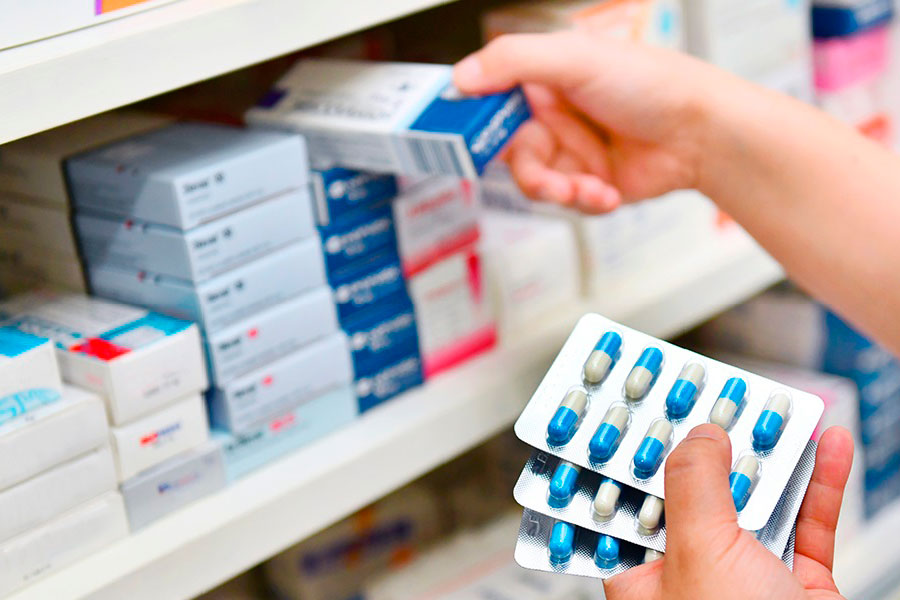
Venezuela’s Growing Concern
The alarming rise of counterfeit medications in Venezuela has captured the attention of health officials and the public alike. With recent alerts from the Instituto Nacional de Higiene Rafael Rangel (INHRR) regarding illicit drug batches, including Cander 16 mg and other treatments, the urgency for awareness and action has never been more critical.
Understanding the Risks
Dr. William Velazco, president of the Federación Farmacéutica Venezolana (Fefarven), emphasizes the dire consequences of purchasing medications from unauthorized sources. The proliferation of drugs sold in informal settings — from street corners to unregulated markets — poses a significant health risk, as these products may lack active ingredients or contain harmful contaminants.
“Patients should always purchase medications from authorized pharmacies,” Dr. Velazco insists. “The dangers of acquiring drugs from dubious sources cannot be overstated. These medications may promise miraculous cures but can lead to severe health repercussions.”
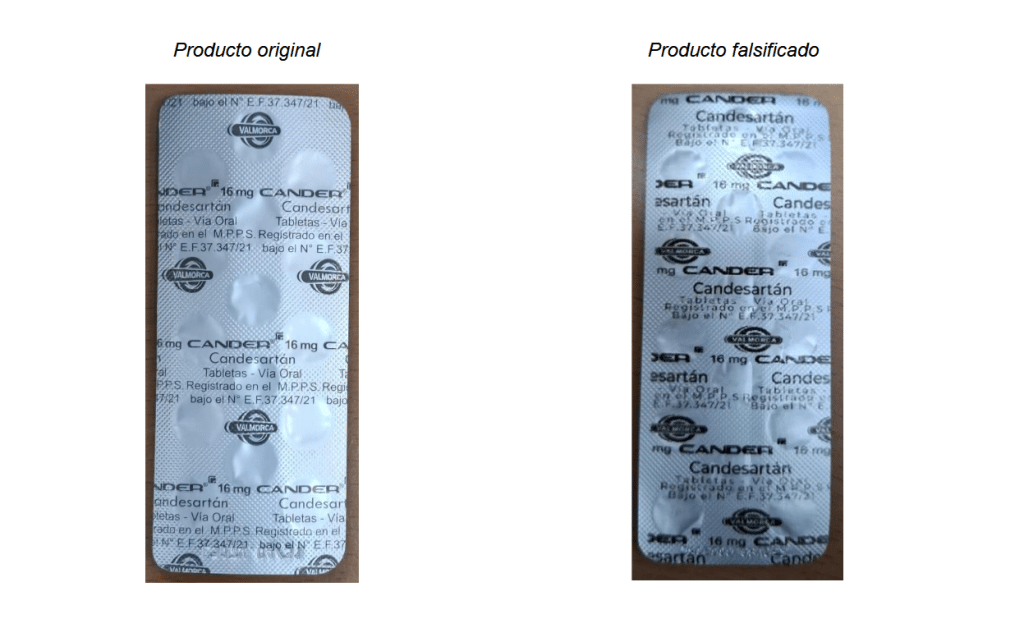
Identifying Counterfeits: A Visual Guide
To help consumers recognize counterfeit medications, the INHRR released a detailed alert showcasing the subtle differences between authentic and fake products. Key indicators include:
- Packaging Variations: Authentic products exhibit consistent color schemes and typography, whereas counterfeit items may show discrepancies in these areas.
- Batch and Expiration Dates: Check for alignment and clarity; counterfeit labels often contain misaligned or illegible information.
- Tablet Appearance: A trained eye may notice differences in color, size, or shape of the tablets upon opening the blister pack.
Dr. Velazco notes that while chronic patients often become familiar with their medications, the average consumer may struggle to discern authenticity. Therefore, vigilance is paramount.
Reporting and Accountability
In light of the growing counterfeit threat, the INHRR encourages the public to report suspicious medications. Individuals can contact the organization via email or through their online form to facilitate swift action against counterfeit products. However, reports indicate that the responsiveness of these channels can be inconsistent, highlighting a need for improved public health communication.
“It is crucial for pharmacies to source their medications from legitimate suppliers,” Dr. Velazco advises, stressing the responsibility of healthcare establishments. “We must call upon health authorities to rigorously monitor pharmacies and ensure compliance with safety regulations.”
A Community Effort for Safety
The battle against counterfeit medications is not solely the responsibility of health officials; it requires a collective effort from the community. Patients are encouraged to keep their medication packaging and receipts if they suspect they have purchased a counterfeit product. Notifying the pharmacy can initiate a chain reaction of verification and accountability, ensuring that the correct measures are taken to protect others.
“If you have consumed a questionable medication, consult your healthcare provider immediately,” Dr. Velazco advises. “Your health and safety should always come first.”
The Path Forward
As Venezuela grapples with the pervasive issue of counterfeit medications, ongoing education and vigilance are essential. The public must remain informed and proactive in safeguarding their health. With the right knowledge and community engagement, it is possible to combat this alarming trend and ensure that legitimate medications reach those in need.
Editorial note: This article was created by A Bit Lavish Miami’s Magazine as an original editorial reinterpretation based on publicly available reporting. Original source: efectococuyo.com. Read the original article here: https://efectococuyo.com/salud/federacion-farmaceutica-de-venezuela-claves-para-evitar-comprar-medicamentos-falsos-en-el-pais/.
Images are used for editorial reference with source credit. If an image requires correction or removal, please contact A Bit Lavish.







Venezuela’s Resource Sovereignty: A New Era of Collaboration
Exploring Venezuela's commitment to maintaining control over its resources while collaborating with...
 2 Mins read
A Glimpse into Venezuela’s Power Struggles: The Night of Darkness
Explore the recent blackout that swept across five states in Venezuela, revealing...
2 Mins read
The Silent Struggle: Women Behind Bars in Venezuela
Explore the ongoing plight of political prisoners in Venezuela, focusing on the...
2 Mins read


From Petare to La Guaira: Reviving Childhood Through Cinema and Stories
Discover how Zona de Descarga is bringing joy and emotional healing to...
3 Mins read
