
Navigating the Smoke: The Growing Challenge of Wildfire Air Quality
The Unprecedented Reach of Wildfire Smoke
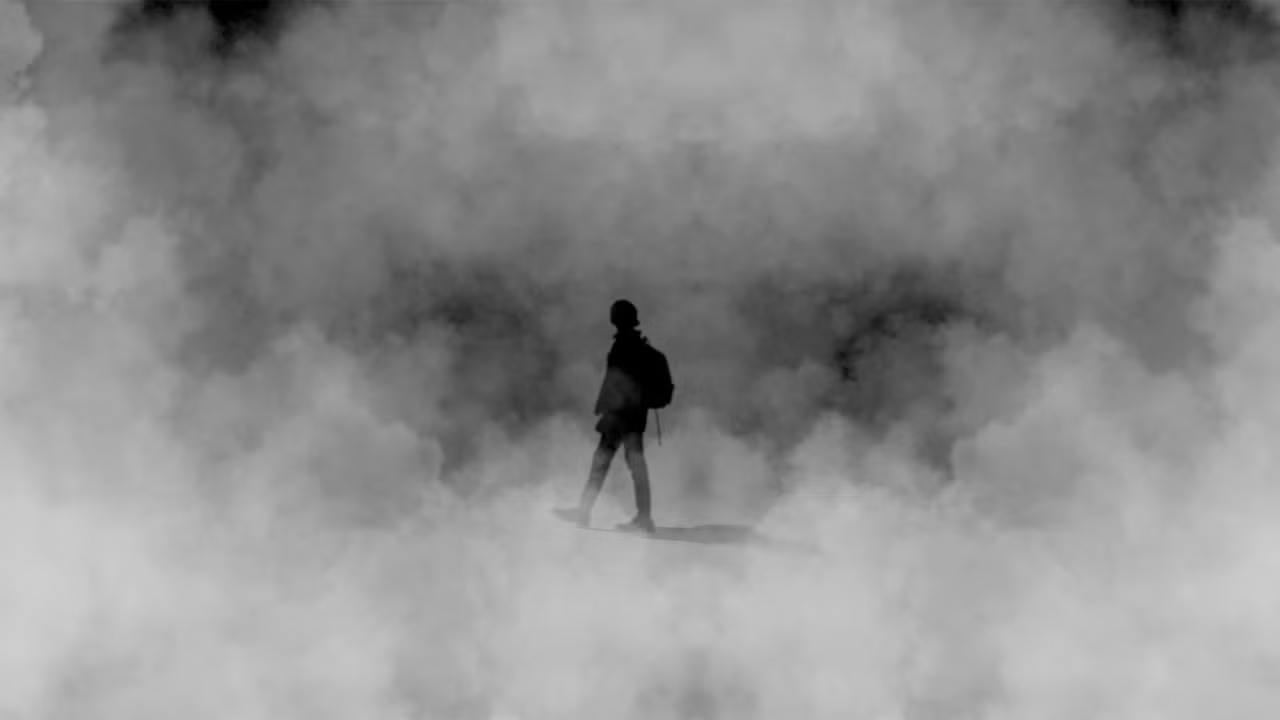
As the intensity and frequency of wildfires escalate, particularly in Canada, urban areas far removed from the flames are grappling with the consequences. Currently, over 850 wildfires rage across the Canadian landscape, with their smoke traversing thousands of miles to reach cities like Chicago and New York City. The smoke doesn’t stop there; forecasts indicate it may soon cross the Atlantic, affecting air quality in Europe.
The Hidden Dangers of PM 2.5
The particles emitted from these fires, known as PM 2.5, are alarmingly small—20 to 30 times narrower than a human hair—allowing them to infiltrate lungs and enter the bloodstream. Research indicates exposure to these fine particles can lead to a myriad of health issues, from diminished lung function to heightened risks of heart attack and stroke. For instance, during a smoky period in Baltimore, there was an 18% uptick in medical visits related to respiratory and cardiovascular problems. Similarly, a record thirty days of smoke-induced air quality alerts in California’s Bay Area resulted in a staggering 43% increase in stroke cases.
An Urban Health Crisis
When wildfire smoke reaches densely populated urban areas, it transforms into a more complex health hazard. The interaction of smoke with pre-existing pollution from vehicles and industrial sources can result in elevated levels of ground-level ozone—a significant contributor to asthma and other respiratory conditions. Jennifer Stowell, a research scientist from Boston University, highlights the unique risks posed to urban populations, which are often already burdened by various environmental stressors.
Long-Term Impacts and the Need for Research
The long-term effects of smoke exposure remain largely uncharted territory. Studies show that health repercussions may linger long after the skies have cleared. For instance, research following a six-week period of smoky air in Montana revealed that alterations in lung function occurred even a year later. This raises critical concerns about the potential for chronic respiratory ailments like asthma and chronic obstructive pulmonary disease (COPD) to emerge following extended exposure to wildfire smoke.
Understanding the Composition of Smoke
As climate change propels the frequency and scale of wildfires, understanding the smoke’s composition becomes increasingly vital. Different sources of combustion yield varying toxic components, especially when homes filled with electronics and plastics are involved. This underscores the urgent need for advanced research methodologies to analyze the specific constituents of PM 2.5, which could inform public health strategies and response measures.
Protective Measures for Urban Dwellers
In the wake of increasing wildfire smoke, vigilance regarding air quality has never been more critical. Individuals can monitor their local air quality index through various weather apps, while specialized platforms like IQAir and PurpleAir offer detailed data. It is especially crucial for vulnerable populations—including children, pregnant women, the elderly, and those with pre-existing health conditions—to limit outdoor activities when air quality indices exceed safe levels. For most, staying indoors during these times is advisable.
For those in areas prone to wildfire smoke, utilizing air conditioning systems set to recirculate air can help mitigate indoor pollution. Furthermore, employing air filters and keeping necessary medications, such as asthma inhalers and N95 masks, readily available can enhance personal safety.
The Role of Cities in Mitigating Risks
As the reality of wildfire smoke becomes an annual occurrence, municipalities must explore proactive strategies to safeguard public health. Experts advocate for affordable interventions, such as distributing masks or issuing timely warnings about impending poor air quality days. Such measures could significantly empower residents to protect themselves against the evolving challenges posed by wildfire smoke.
Editorial note: This article was created by A Bit Lavish Miami’s Magazine as an original editorial reinterpretation based on publicly available reporting. Original source: fastcompany.com. Read the original article here: https://www.fastcompany.com/91382019/canada-wildfires-smoke-us-how-to-protect-yourself.
Images are used for editorial reference with source credit. If an image requires correction or removal, please contact A Bit Lavish.









Redefining Design: How Inclusive Solutions Elevate the Everyday
Exploring how designing for specific challenges leads to innovations that benefit everyone,...
 3 Mins read
Unveiling Truth API: The New Frontier in Market Intelligence
Explore how Truth Social's new API service is reshaping market dynamics, offering...
3 Mins read

The Disappearing Act: Why Micro-Cap IPOs Are Fading from the Stock Market
Explore the decline of micro-cap IPOs amid rising mega IPOs, and what...
3 Mins read



Garth Brooks Announces 2026 ‘Blame It All On My Roots’ Tour Dates in Indianapolis
Garth Brooks' tour reflects the enduring global appeal of country music and...
1 Mins read

Leave a comment