

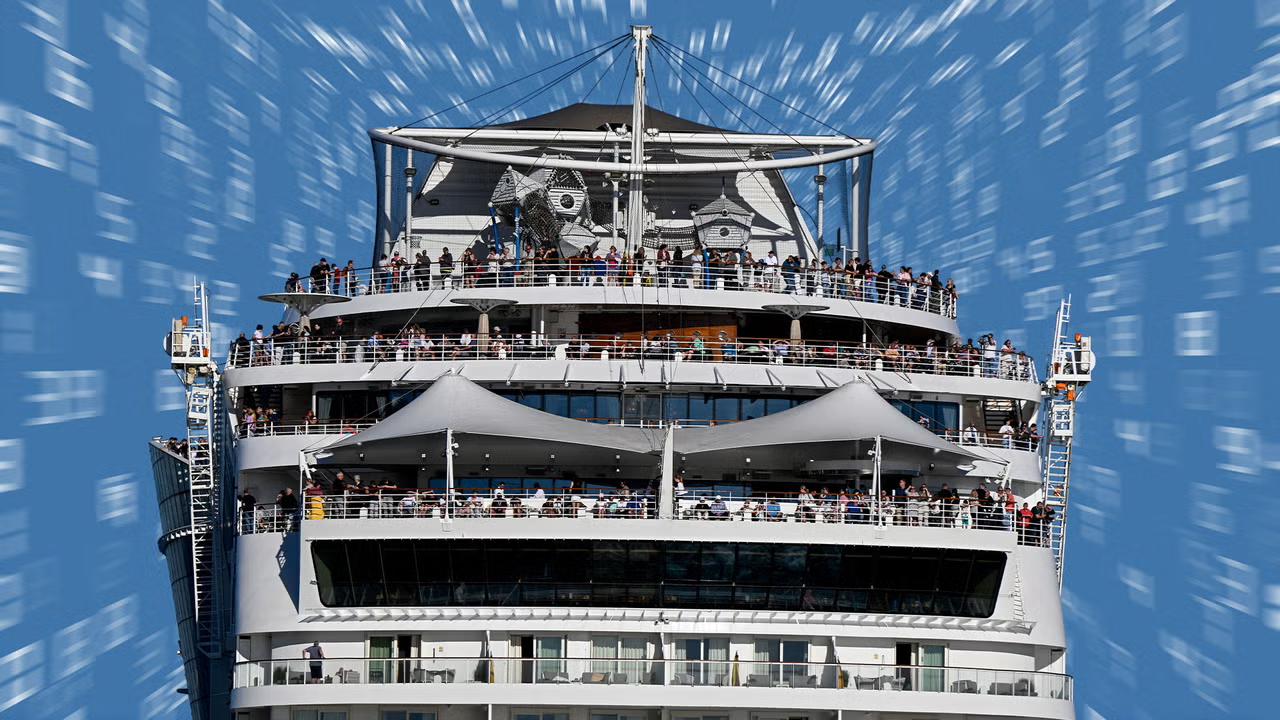
Uncharted Waters: The Impact of Data Vulnerabilities
In an age where digital interactions increasingly shape consumer experiences, the recent data breach involving Carnival Corporation serves as a stark reminder of the vulnerabilities that permeate even the most established brands. Nearly six million customers are now at risk of having their personal information compromised, a situation that raises critical questions about the efficacy of existing cybersecurity measures within the travel and hospitality sectors.
Understanding the Breach: A Lesson in Cybersecurity
The breach, which was first detected on April 14, highlights the insidious nature of social engineering attacks. These sophisticated tactics manipulate individuals into providing access to sensitive information, often under the guise of legitimate requests. Carnival’s IT department acted swiftly to mitigate the unauthorized access, yet the incident underscores the necessity for continual vigilance in protecting customer data. As the company stated, they are not only enhancing their security measures but are also committed to refining their IT protocols to better respond to the evolving threat landscape.
Customer Trust at Stake: The Human Element
For businesses, trust is the cornerstone of customer relationships, particularly in an industry reliant on personal interactions and memorable experiences. In light of this breach, Carnival’s strategy to communicate transparently with affected customers is essential. The company has begun notifying those impacted, offering complimentary credit monitoring services to alleviate concerns about potential identity theft. This proactive approach is crucial in reinstating confidence among customers who may feel vulnerable after such a significant data exposure.
The Broader Implications for the Travel Industry
As Miami continues to thrive as a major cruise hub, the implications of this incident extend beyond Carnival’s immediate customer base. The cruise industry, which depends heavily on consumer trust, must collectively reassess its cybersecurity frameworks. Brands that fail to prioritize data protection may find themselves not only facing legal repercussions but also suffering from a long-term erosion of brand loyalty. The competitive landscape demands that companies invest in robust cybersecurity strategies to safeguard their operations and protect their customers.
Strategies for Mitigating Future Risks
Moving forward, it is imperative for companies like Carnival to adopt a multi-faceted approach to cybersecurity. This includes:
- Enhanced Training Programs: Regular training sessions for employees on recognizing social engineering tactics can empower staff to act as the first line of defense.
- Advanced Technology Solutions: Investing in cutting-edge cybersecurity technologies such as artificial intelligence and machine learning can help in identifying unusual activity before it escalates into a breach.
- Collaboration with Experts: Partnering with cybersecurity firms can provide valuable insights and bolster a company’s security posture.
- Transparent Communication: Maintaining open lines of communication with customers about security measures fosters trust and encourages a collaborative approach to data privacy.
Conclusion: A Call to Action for Brands
The Carnival data breach serves as a pivotal moment for the travel and tourism industry. As consumer expectations evolve and digital interactions become the norm, brands must prioritize cybersecurity not just as a compliance requirement, but as a vital component of their overall strategy. The lessons learned from this incident should propel businesses toward innovative solutions that protect both their assets and their clientele, ensuring a safe and secure environment in which to explore the world.
Editorial note: This article was created by A Bit Lavish Miami’s Magazine as an original editorial reinterpretation based on publicly available reporting. Original source: fastcompany.com. Read the original article here: https://www.fastcompany.com/91552559/nearly-6-million-carnival-customers-may-have-had-personal-information-stolen-in-hack.
Images are used for editorial reference with source credit. If an image requires correction or removal, please contact A Bit Lavish.









Navigating the New Frontier: Leadership in the Age of Agentic AI
Explore how leaders can reclaim agency in a world increasingly driven by...
 3 Mins read

From Layoffs to Rehires: The Unfolding Narrative of AI in the Workforce
Explore how the AI narrative is reshaping employment strategies, revealing the importance...
2 Mins read

Limited-Time Kamaʻāina Discounts Announced at Hyatt Buffet
Hyatt's discount initiative highlights the importance of local tourism recovery amidst ongoing...
1 Mins read



Freddy Krueger Returns to Pop Culture Spotlight Amidst Global Nostalgia
The resurgence of Freddy Krueger reflects a significant cultural moment, highlighting evolving...
1 Mins read
