
A New Chapter in Venezuela’s Oil Story
Venezuela, a country once synonymous with vast oil wealth, is cautiously stepping into a new era of energy partnerships. Recent agreements with American oil companies signal a slow but deliberate opening of its petroleum sector to foreign investment. As the nation grapples with the remnants of a once-thriving industry, the road ahead is fraught with both potential and uncertainty.
Strategic Partnerships on the Horizon
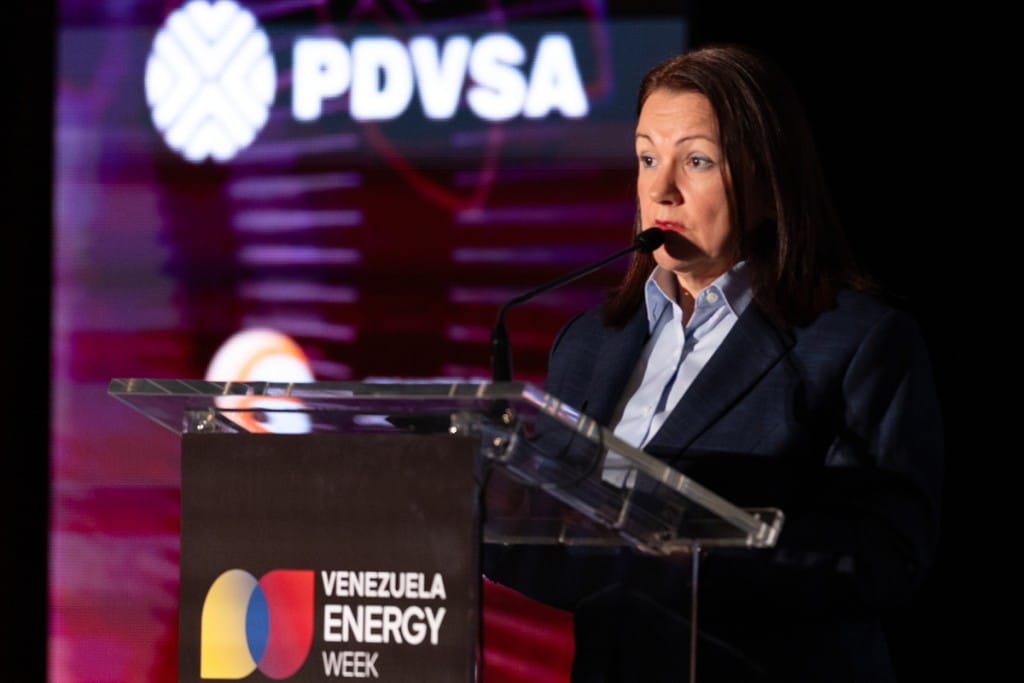
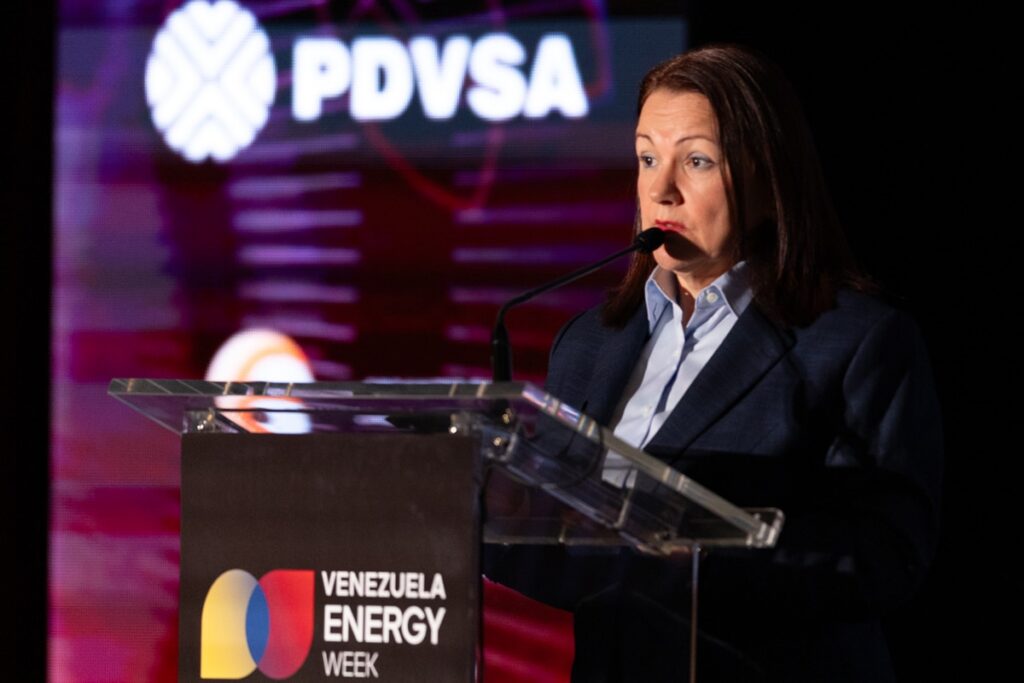
This week, Venezuelan Minister of Hydrocarbons, Paula Henao, unveiled two significant contracts during her visit to Houston, a key hub for the energy sector in the United States. One landmark agreement involves Hunt Oil, aimed at revitalizing production in existing oil and gas fields in eastern Venezuela. The other partnership with SLB, a global leader in oilfield services, is set to provide advanced technology and expertise to modernize the country’s aging infrastructure.
While these agreements represent a step forward, experts caution against viewing them as a full-fledged reopening of the sector. Bob Fryklund, Chief Exploration and Production Strategist at S&P Global, emphasizes that while Hunt Oil’s involvement marks a notable development, it merely continues an ongoing process rather than initiating a new trend. The focus remains on rehabilitating existing resources rather than exploring new territories.
Rehabilitation Over Exploration
The urgency to restore Venezuela’s oil production is evident, given its historical context. Currently, the country’s output hovers around 1.2 million barrels per day, a significant increase from earlier in the year but still far below the peak levels of the 1990s, which reached approximately 3.5 million barrels daily. The challenges of revitalizing the oil fields are compounded by years of underinvestment and infrastructure decay.
Fryklund notes that much of the current focus among companies negotiating with Venezuela is on rehabilitating old discoveries rather than embarking on new exploration ventures. The partnership with SLB is particularly crucial, as it aims to bring the necessary equipment and innovative solutions to enhance productivity and restore operational efficiency.
Investment Climate: A Cautious Approach
Despite these optimistic developments, the investment climate remains tenuous. Analysts highlight that significant capital is required to rejuvenate Venezuela’s oil facilities, pipelines, and overall energy infrastructure. Fryklund aptly characterizes this journey as a local train with many stops rather than a high-speed initiative, indicating the gradual nature of the recovery process.
Moreover, S&P Global projects that Venezuela could take until 2030 to consistently exceed 1.5 million barrels per day, contingent upon overcoming infrastructural challenges and adequately reactivating its oil fields. The country also faces stiff competition from other oil-producing nations that offer more stable and attractive investment conditions.
Competing for Attention in a Global Market
The landscape for foreign investment in Venezuela is complicated by the country’s historical backdrop and current geopolitical realities. Kirk Edwards, President of Latigo Petroleum, points out that the limited participation of U.S. companies in Venezuelan ventures reflects widespread caution. Many firms are weighing the potential returns against opportunities in more stable markets like the United States.
Moreover, lingering memories of nationalizations during Hugo Chávez’s presidency continue to cast a long shadow over the investment climate. Fryklund reiterates the necessity for improvements in transparency, legal frameworks, and the assurance of profit repatriation to attract foreign capital.
A Long Road Ahead
As Venezuela embarks on this cautious path toward rejuvenating its oil industry, the prospects remain uncertain. While the new agreements with Hunt Oil and SLB signal a tentative hope, the country must navigate a myriad of challenges to ensure lasting success. The combination of historical apprehensions, infrastructural hurdles, and global market competition creates a complex environment for potential investors.
Ultimately, as Venezuela seeks to reclaim its position in the global energy landscape, the country’s commitment to reform and modernization will be pivotal. The world watches closely, as the outcomes of these initial steps could set the stage for a transformative era in Venezuela’s rich but troubled oil narrative.
Editorial note: This article was created by A Bit Lavish Miami’s Magazine as an original editorial reinterpretation based on publicly available reporting. Original source: efectococuyo.com. Read the original article here: https://efectococuyo.com/politica/venezuela-avanza-en-su-apertura-petrolera-con-dos-acuerdos-en-eeuu-pero-persisten-dudas/.
Images are used for editorial reference with source credit. If an image requires correction or removal, please contact A Bit Lavish.






Navigating the Path to Political Renewal in Venezuela: Insights from Dinorah Figuera
Explore the pivotal role of Dinorah Figuera in Venezuela's political dialogue, focusing...
 ABL2 Mins read
Revitalizing a Legacy: Acción Democrática’s Quest for Democratic Renewal
Amidst political turmoil, Acción Democrática strives to regain its electoral symbols, emphasizing...
ABL2 Mins read
A New Dawn for Venezuela: The Call for Democratic Renewal
Human rights organizations demand urgent political reforms in Venezuela, emphasizing the need...
ABL2 Mins read



Revitalizing La Guaira: The Struggles of a Hospital Network in Crisis
Explore the challenges faced by La Guaira's hospital network post-earthquake, highlighting the...
ABL2 Mins read

Leave a comment