
North Korea Launches Additional Projectile Amid Heightened Tensions
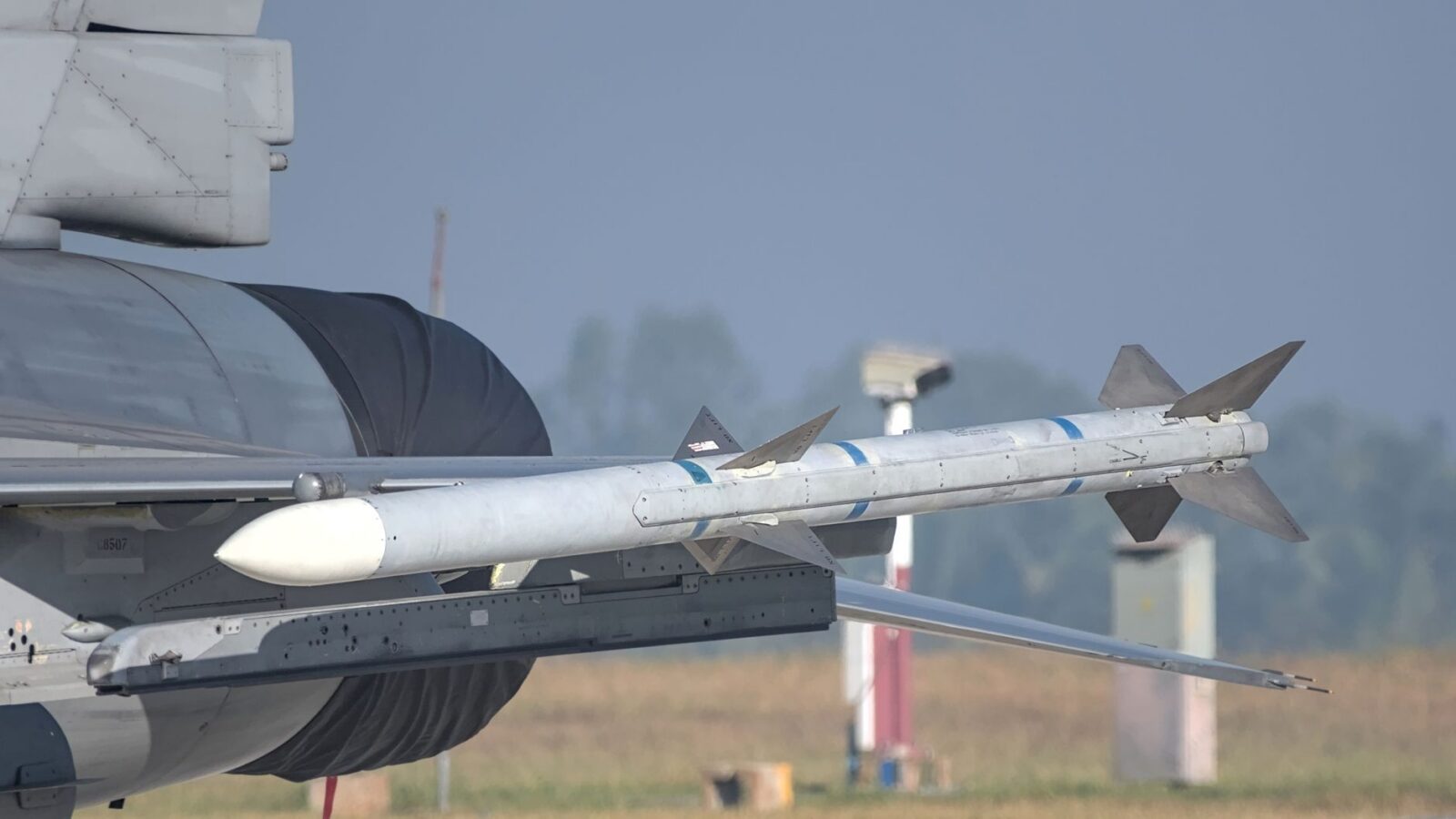
SEOUL — September 20, 2026
In a significant development that has drawn international attention, North Korea launched an additional projectile toward the sea on September 20, 2026. This event marks the latest in a series of missile tests that have raised alarms regarding regional security and international relations.
The launch was confirmed by South Korea’s military, which reported that the projectile was fired from North Korea’s eastern coast. While specific details regarding the type of missile and its range have not been disclosed, the incident is part of a broader pattern of military provocations by the North Korean regime under Kim Jong-un.
This missile launch follows a series of similar tests earlier this month, which have been interpreted as a demonstration of North Korea’s advancing military capabilities and a direct challenge to U.S. and South Korean defense postures. The recent uptick in missile activity has been attributed to a combination of factors, including ongoing military exercises conducted by the United States and South Korea, as well as North Korea’s desire to assert its sovereignty and deterrence capabilities.
Key players in this situation include the North Korean government, led by Kim Jong-un, and the South Korean military, which is closely monitoring the developments. The United States, as a key ally of South Korea, is also involved in strategic discussions regarding potential responses to North Korea’s provocations.
The geopolitical implications of this missile launch are significant. It comes at a time when diplomatic efforts to denuclearize the Korean Peninsula have stalled, and tensions between North Korea and the U.S. remain high. The international community, particularly the United Nations, has expressed concern over North Korea’s continued missile tests, which violate previous UN Security Council resolutions aimed at curbing its ballistic missile program.
This incident is receiving heightened attention now due to its potential to escalate military tensions in East Asia, a region already fraught with complex security dynamics. Analysts suggest that North Korea’s actions could provoke a stronger military response from the U.S. and its allies, potentially leading to a cycle of escalation that could destabilize the region further.
Looking ahead, it is realistic to anticipate that the U.S. and South Korea may increase their military readiness in response to North Korea’s provocations. This could include enhanced joint military exercises or the deployment of additional defense systems in the region. Furthermore, diplomatic channels may be tested as both sides navigate the delicate balance between deterrence and dialogue.
In conclusion, North Korea’s latest missile launch is a critical reminder of the ongoing security challenges in East Asia and the intricate web of international relations that influence the region’s stability.










Trump Announces Military Complex for Drones and Snipers at the Triumphal Arch
The announcement of a military complex at the Triumphal Arch marks a...
 1 Mins read

Russia Concludes First Wartime Parliamentary Election with Kremlin Dominance
The recent parliamentary elections in Russia, held amid ongoing conflict, have solidified...
2 Mins read



Moscow Endures Largest Drone Attack Amid Parliamentary Elections
The unprecedented drone assault on Moscow coincides with the final day of...
2 Mins read
Trump Proposes 250-Foot Arch as Military Complex
The announcement of a 250-foot arch to serve as a military complex...
2 Mins read
Leave a comment