
NVIDIA Ends RTX 5090 Production, Shifts Focus to Workstation GPUs
MIAMI — October 10, 2026
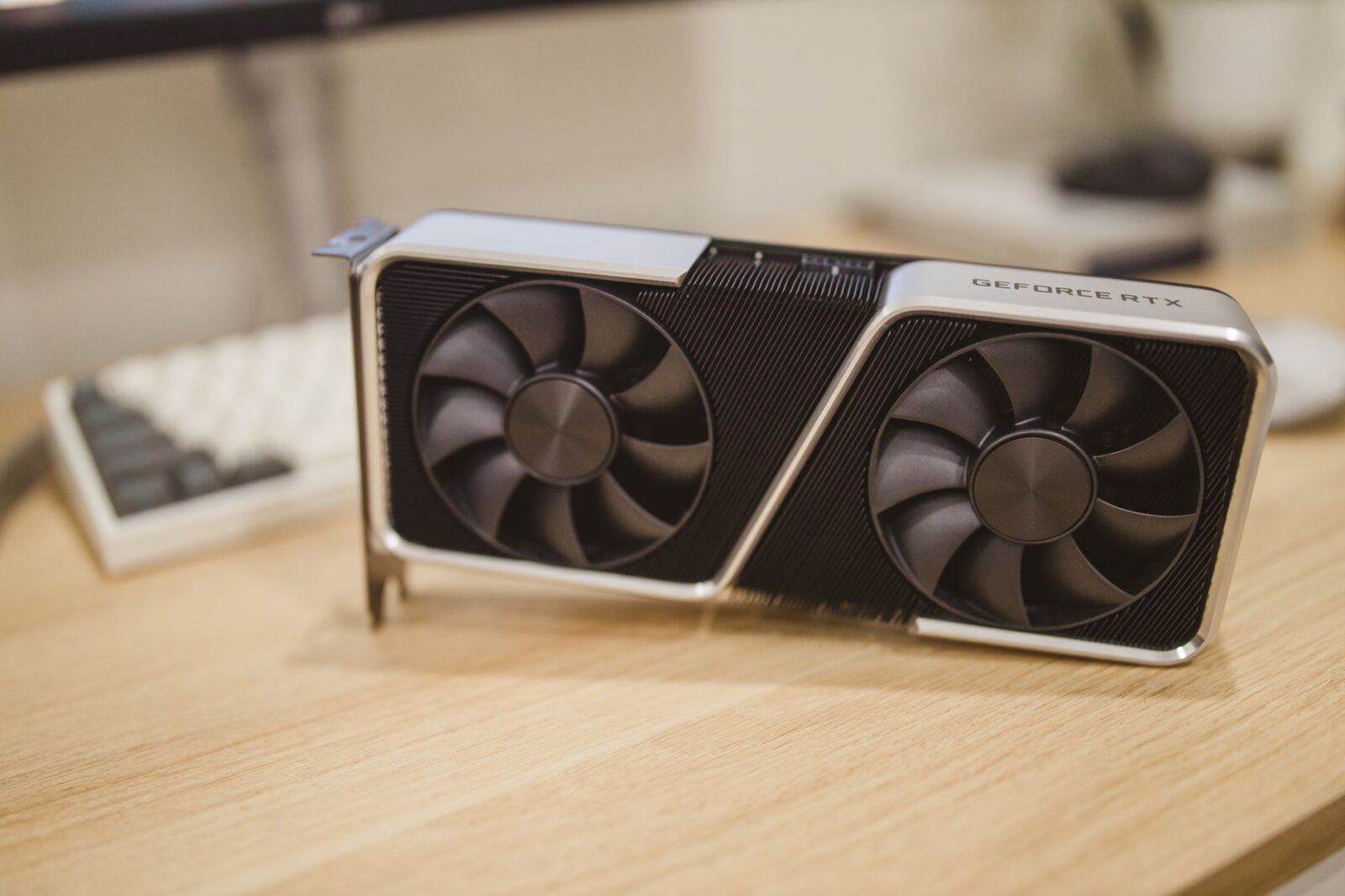
NVIDIA Corporation, a leader in graphics processing units (GPUs), has reportedly decided to cease production of its anticipated RTX 5090 graphics card, redirecting its resources to focus on workstation GPUs. This decision, confirmed by TechPowerUp on October 10, 2026, indicates a notable shift in NVIDIA’s product strategy, which could have far-reaching implications for both the consumer and professional markets.
The RTX 5090 was expected to be a flagship consumer GPU, part of NVIDIA’s GeForce lineup, which has historically catered to gamers and high-performance computing enthusiasts. However, the company has opted to reserve its GB202 silicon for workstation GPUs, which are designed for professional applications such as artificial intelligence, data science, and high-end graphics rendering.
This strategic pivot comes in response to increasing demand for powerful computing solutions in professional environments, where the need for advanced graphics capabilities is surging. The decision to prioritize workstation GPUs aligns with NVIDIA’s broader business objectives, as the company seeks to capitalize on the growing market for AI and machine learning applications.
As of now, NVIDIA has not publicly disclosed specific figures regarding the production scale of the RTX 5090 or the anticipated output for its workstation GPUs. However, analysts speculate that this move could significantly impact NVIDIA’s revenue streams, given the lucrative nature of the workstation market compared to consumer-grade products.
The RTX 5090’s cancellation is receiving attention now due to the ongoing evolution of the tech industry, where the lines between consumer and professional computing are increasingly blurred. The demand for high-performance GPUs in sectors such as AI and machine learning has surged, prompting NVIDIA to reassess its product offerings.
This development matters not only to NVIDIA but also to the broader tech ecosystem. As companies like NVIDIA adapt to changing market dynamics, the implications for competitors, supply chains, and consumers are profound. The shift could lead to increased competition among GPU manufacturers, as firms scramble to meet the growing demand for professional-grade graphics solutions.
Looking ahead, NVIDIA’s decision could lead to several potential outcomes. The company may experience a short-term decline in consumer interest, particularly among gamers eagerly awaiting the RTX 5090. However, if the workstation GPUs gain traction, NVIDIA could solidify its position as a leader in the professional graphics market. Additionally, this pivot may prompt competitors to reevaluate their own product strategies, potentially leading to a reshaping of the GPU landscape.
Source: TechPowerUp










SpaceX Launches 21 Satellites for U.S. Military Data Network
The recent launch of 21 satellites by SpaceX marks a significant advancement...
 1 Mins read

SpaceX Successfully Launches 21 Satellites for U.S. Military
The deployment of 21 satellites enhances military satellite capabilities and reflects advancements...
1 Mins read

SpaceX Successfully Launches 21 Data Satellites for National Security
The recent launch of 21 data satellites by SpaceX for the Space...
2 Mins read



Google Tests Carbon: A New AI Model in the Gemini 4 Series for Coding
Google's latest AI model, Carbon, is currently undergoing testing, marking a significant...
1 Mins read

Leave a comment