
President Trump Updates on U.S. Military Retaliation Against Iran
In a significant development, President Donald J. Trump provided an update on the United States’ military response to recent provocations by Iran, detailing retaliatory strikes executed by U.S. forces. This announcement follows a series of incidents that have heightened tensions between the two nations, including attacks on U.S. assets and allies in the region.
The President emphasized that these military actions are a direct response to Iranian aggression, asserting that the U.S. aims to protect its interests and those of its allies. The strikes, which targeted specific military installations in Iran, were described as precise and calculated, intended to minimize civilian casualties while sending a clear message of deterrence.
This escalation matters significantly on a global scale as it not only threatens the fragile stability of the Middle East but also raises concerns about the potential for broader conflict. The region is already a critical hub for oil production and trade, and any prolonged military engagement could disrupt global markets, leading to higher oil prices and economic repercussions worldwide.
Looking ahead, the situation remains precarious. Analysts warn that further escalation could provoke Iranian retaliation, which may involve asymmetric warfare tactics, including cyberattacks or proxy engagements in neighboring countries. The international community, particularly European allies, is watching closely, as diplomatic efforts to de-escalate tensions have so far yielded limited results. The coming days will be crucial in determining whether this conflict can be contained or if it will spiral into a larger confrontation that could reshape geopolitical alliances and security dynamics across the globe.
Source: The White House (.gov)









Britain Faces Escalating Tensions with Russia Following Lavrov’s Drone Warning
The UK’s drone program is now a focal point in escalating geopolitical...
 1 Mins read
Gold Prices Decline Amid Rising Treasury Yields and Escalating Hormuz Tensions
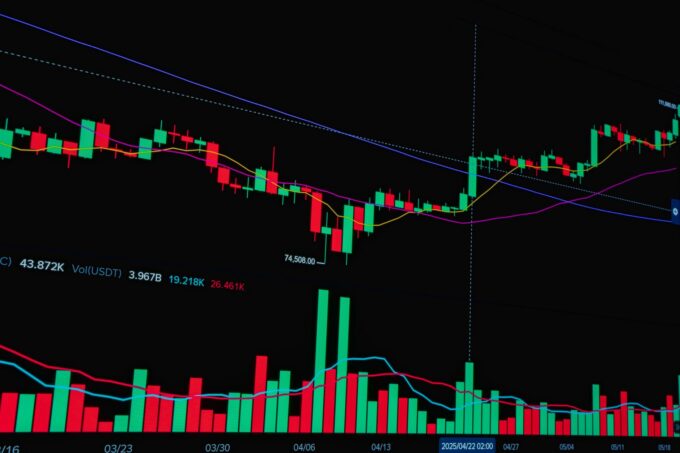
Gold prices are under pressure as U.S. Treasury yields rise and geopolitical...
1 Mins read

ASEAN Central Bank Governors Advocate for Enhanced Financial Risk Cooperation
The call for ASEAN cooperation on financial risks underscores the region's commitment...
1 Mins read



Inflation Worsens Consumer Sentiment in Albania
Rising inflation in Albania raises urgent concerns for consumers and policymakers, reflecting...
1 Mins read
