
The Return of Tradition: Volkswagen Embraces Physical Controls in a Digital Era
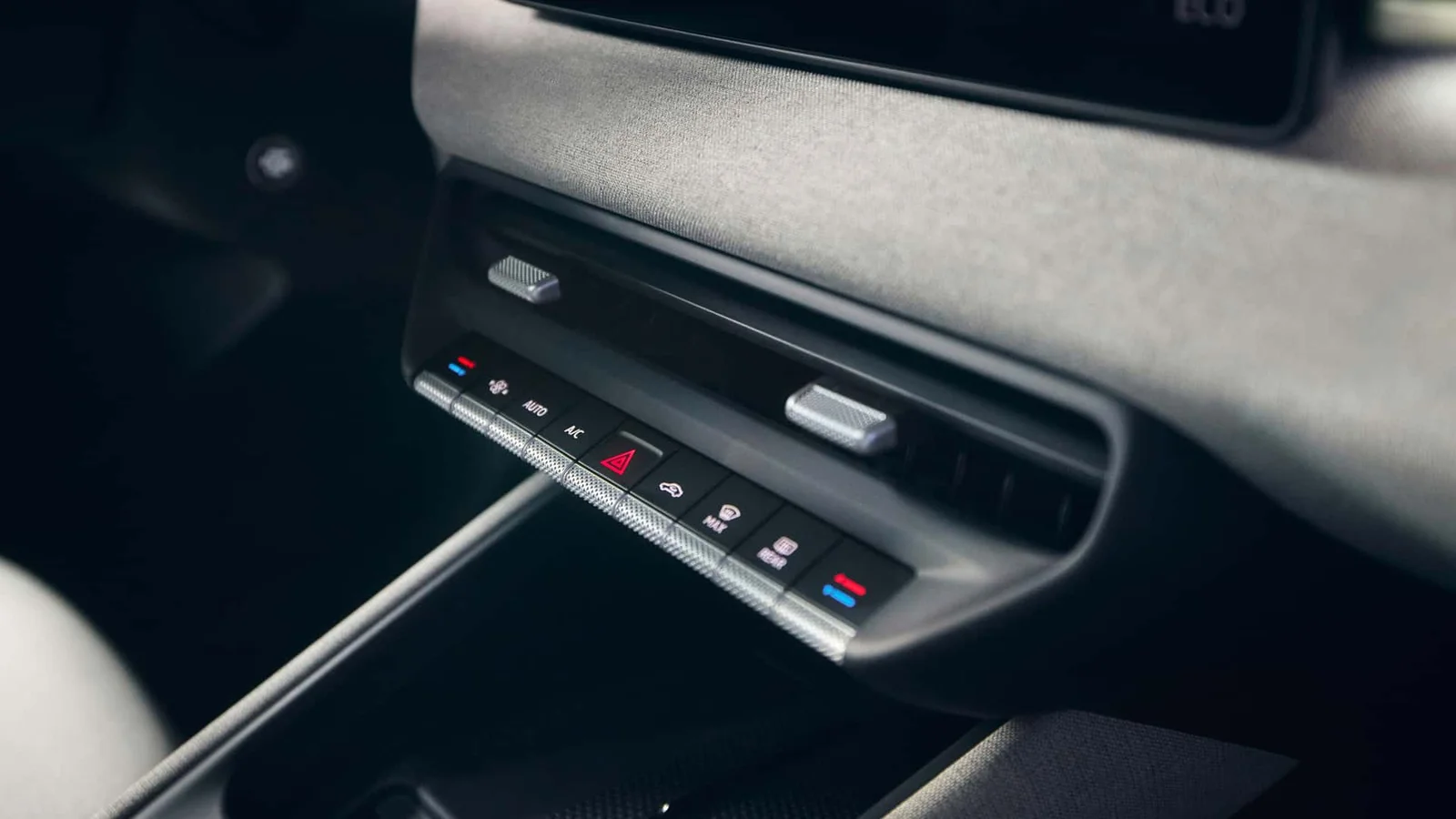
Rediscovering the Joy of Touch
In an era dominated by sleek screens and touch-sensitive interfaces, Volkswagen’s recent decision to reintroduce physical buttons and knobs has sent ripples through the automotive community. This strategic pivot not only answers consumer demand for tactile feedback but also reconnects drivers with the essence of driving. With the unveiling of the ID.3 Neo and other upcoming models, Volkswagen is crafting a bridge between the high-tech present and the beloved features of yesteryear.
A Shift in the Digital Landscape
For years, the trend in automotive design has leaned heavily toward minimalistic interiors, where glossy screens replaced the familiar tactile controls that many drivers cherished. Audi and Mercedes-Benz, in their quest for modernity, led this charge, embodying the allure of futuristic aesthetics. However, the challenge of navigating intricate touchscreen menus while on the road has prompted a reevaluation. As drivers seek a seamless blend of innovation and comfort, Volkswagen’s return to physical controls resonates with those who value the engagement of a hands-on driving experience.
Engineering with Emotion
The reintroduction of buttons and knobs is more than a nod to nostalgia; it signifies a deep understanding of driver psychology. The engineering behind these components is as advanced as the technology they accompany. Volkswagen’s design ethos now embraces user-friendly interfaces that prioritize safety and convenience. With intuitive placements and satisfying tactile feedback, these elements enhance the driving experience, allowing for a more focused engagement with the road.
A Trend Worth Following
As the automotive landscape evolves, the implications of Volkswagen’s decision extend beyond its own lineup. Other manufacturers are likely to take note, potentially leading to a broader industry shift back towards physical controls. Miami’s discerning automotive enthusiasts, who appreciate both performance and emotional connection in their vehicles, will welcome this trend. In a city where style meets substance, the tactile experience of driving becomes a vital narrative in the automotive journey.
Driving the Miami Lifestyle
In the vibrant streets of Miami, where the sun-kissed coastline meets a dynamic urban landscape, the driving experience is paramount. The return of physical controls aligns perfectly with the lifestyle of Miami’s drivers—who seek not just transportation, but a meaningful connection to their vehicles. As they navigate busy boulevards or cruise along Ocean Drive, the reassurance of traditional buttons enhances their journey, allowing them to focus on the road ahead and the beautiful surroundings.
A Future with Balance
The automotive industry stands at a crossroads, balancing cutting-edge technology with the human touch that makes driving enjoyable. Volkswagen’s decision to revert to physical controls is a testament to the importance of user experience in a world increasingly defined by digital interfaces. As the brand continues to evolve, it embodies a philosophy that honors both innovation and tradition, reflecting the desires of modern drivers who crave a deeper connection to their machines.
Editorial note: This article was created by A Bit Lavish Miami’s Magazine as an original editorial reinterpretation based on publicly available reporting. Original source: thesupercarblog.com. Read the original article here: https://www.thesupercarblog.com/after-audi-mercedes-vw-to-reintroduce-physical-buttons-knobs/.
Images are used for editorial reference with source credit. If an image requires correction or removal, please contact A Bit Lavish.









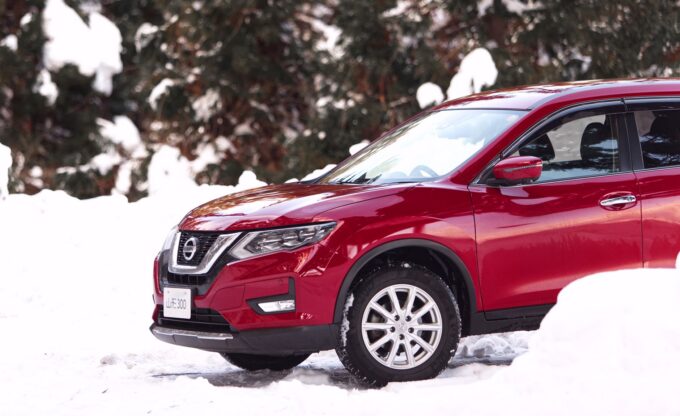
Nissan Considers Third Shift to Boost U.S. Production Capacity Amid New Rogue Hybrid Launch
Nissan's potential third shift in U.S. production reflects a strategic response to...
 2 Mins read
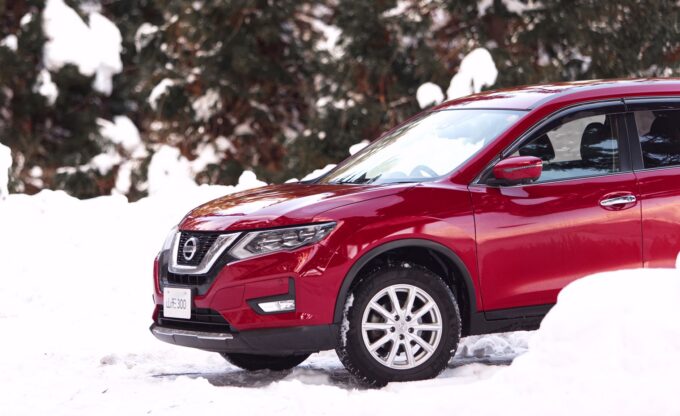
Nissan Launches 2027 Rogue Hybrid, Boosts U.S. Production
Nissan's announcement of the 2027 Rogue Hybrid marks a strategic shift towards...
1 Mins read
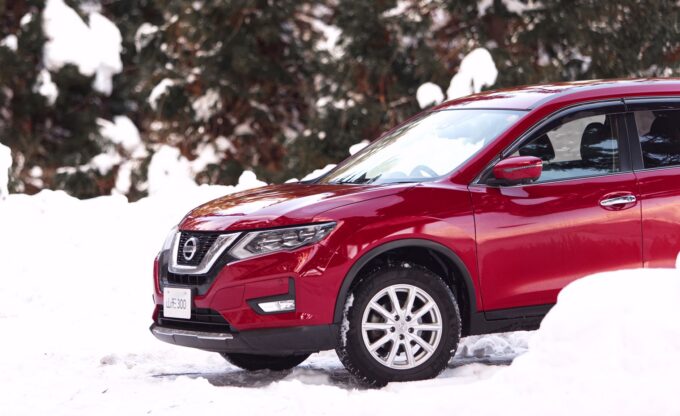
Nissan Expands U.S. Production with New Rogue Hybrid Launch
Nissan's strategic decision to increase U.S. production aligns with the launch of...
1 Mins read
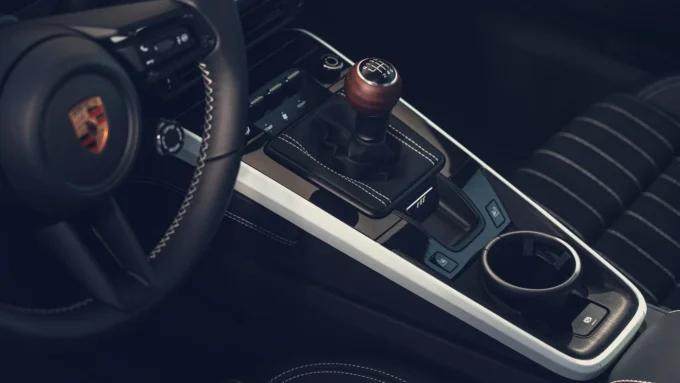


The Evolution of Driving: Porsche’s Vision of a Manual Experience
Explore Porsche's innovative approach to replicating the joy of a manual gearbox...
2 Mins read
