
Progressive Momentum Grows in the United States as Elections Approach

As the United States gears up for the 2026 elections, a notable trend has emerged: progressive candidates are gaining significant traction across various states. According to a recent commentary by Senator Bernie Sanders, this shift reflects a broader response to economic disparities and social justice issues that resonate with a growing number of voters.
The developments are particularly evident in key states such as California, New York, and Illinois, where progressive candidates have successfully mobilized grassroots campaigns, focusing on policies like universal healthcare, climate action, and wealth redistribution. These candidates are often backed by organizations such as Justice Democrats and Our Revolution, which advocate for progressive values and aim to challenge the status quo within the Democratic Party.
What is fueling this surge? Economic conditions exacerbated by inflation, a housing crisis, and ongoing debates over healthcare access have contributed to a disillusionment with traditional political approaches. Voter sentiment reflects a desire for bold solutions, as evidenced by recent polling data showing increased support for progressive policies among younger demographics.
This growing momentum is significant not only for the upcoming elections but also for the national political landscape. As progressive candidates continue to gain visibility and support, they are likely to influence the Democratic Party’s platform and strategy moving forward. Observers are keenly watching these developments, as they could reshape the party’s direction and electoral outcomes in the coming years.
Looking ahead, the next few months will be crucial as candidates prepare for primaries and general elections. The ability of progressives to maintain this momentum will depend on their capacity to engage voters and address the pressing issues that matter most to constituents. With the election cycle heating up, the implications of this progressive wave could redefine not only local races but also the national political discourse.
Source: The Guardian









Britain Faces Escalating Tensions with Russia Following Lavrov’s Drone Warning
The UK’s drone program is now a focal point in escalating geopolitical...
 1 Mins read
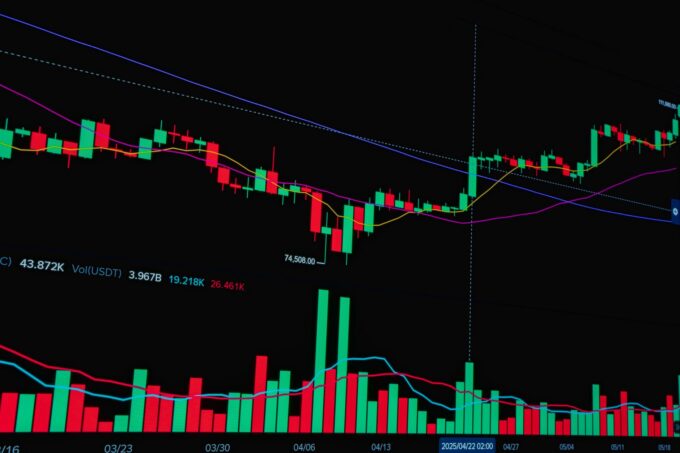
Gold Prices Decline Amid Rising Treasury Yields and Escalating Hormuz Tensions
Gold prices are under pressure as U.S. Treasury yields rise and geopolitical...
1 Mins read

ASEAN Central Bank Governors Advocate for Enhanced Financial Risk Cooperation
The call for ASEAN cooperation on financial risks underscores the region's commitment...
1 Mins read


Inflation Worsens Consumer Sentiment in Albania
Rising inflation in Albania raises urgent concerns for consumers and policymakers, reflecting...
1 Mins read

Leave a comment