

A New Chapter for Venezuelan Housing
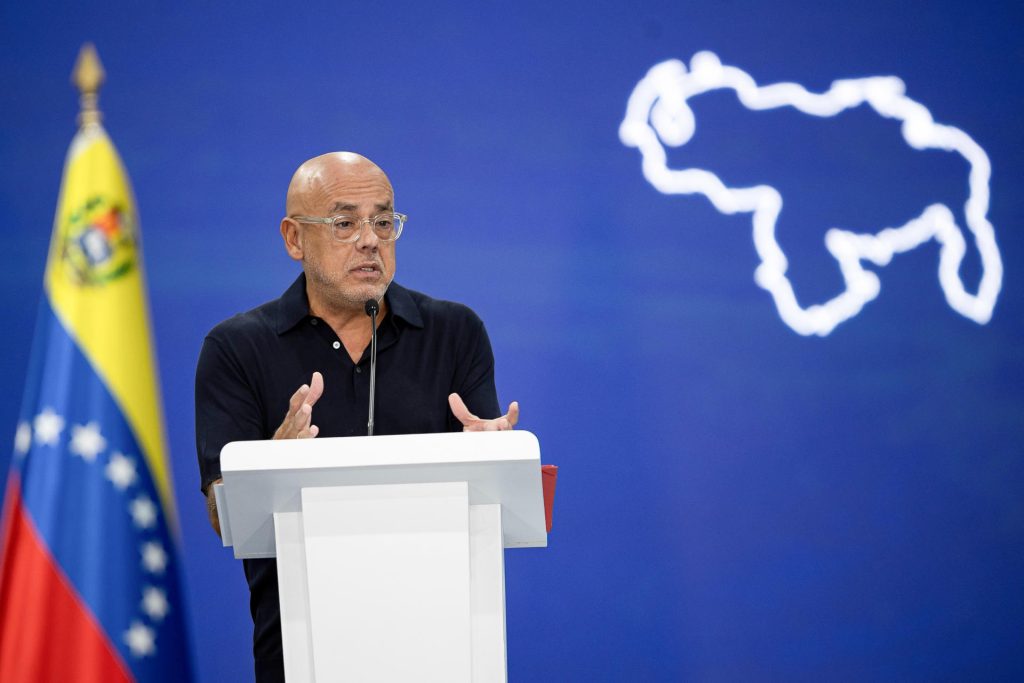
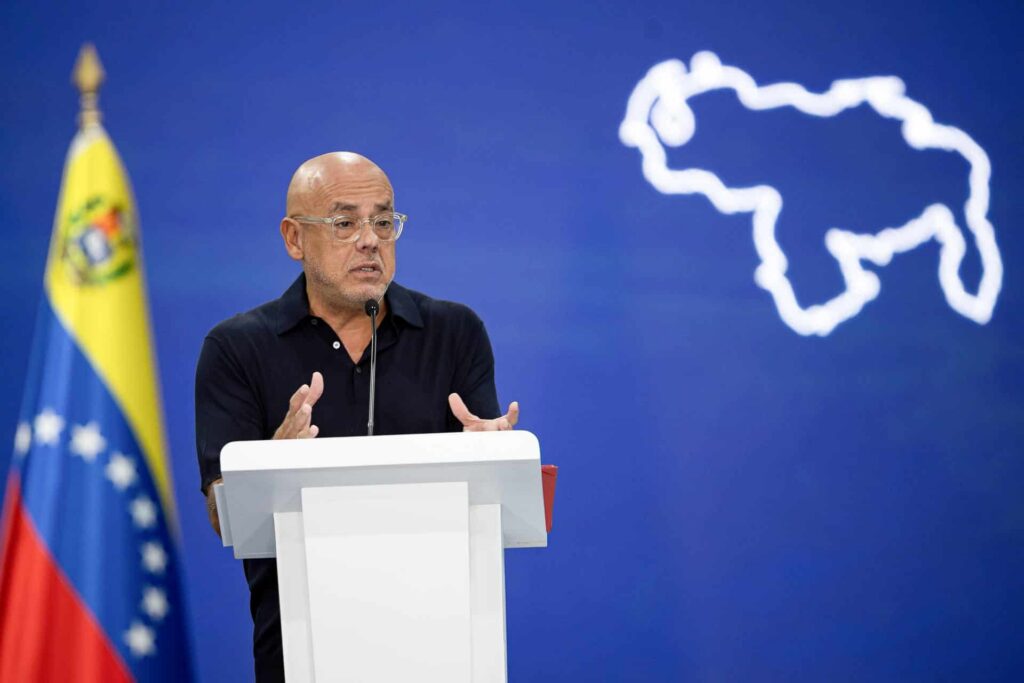
In the aftermath of a devastating double earthquake that struck Venezuela on June 24, the nation finds itself at a critical juncture. Jorge Rodríguez, the president of the Venezuelan Parliament, recently addressed both national and international media, shedding light on the government’s response to the calamity that has left thousands displaced and in need of urgent assistance.
Counting the Cost of Tragedy
In his address, Rodríguez reported that the tragic toll of the earthquakes has reached 4,333 identified fatalities, with 315 bodies still unaccounted for. This grim statistic underscores the magnitude of the disaster and highlights the urgent need for action. In response to the overwhelming need for housing, the government estimates that approximately 25,000 new homes will be necessary to accommodate those who have lost their residences.
A Comprehensive Housing Registration Initiative
To ensure that all affected individuals receive the support they require, the government has initiated a biometric housing registration program. This program aims to document the needs of the more than 17,000 individuals currently without homes, with that number expected to rise as assessments continue. The registration process began in key shelters across Caracas, La Guaira, and Miranda, utilizing biometric data to streamline aid distribution.
Refuge and Recovery Efforts
As communities grapple with the aftermath of the earthquakes, 94 shelters have been established, many located within schools to provide immediate refuge. Rodríguez emphasized the government’s commitment to clearing these facilities in time for the upcoming school year, ensuring that education can resume without further disruption.
Transitional Housing Solutions
In a bid to provide immediate relief, the government is constructing temporary one-family camps. These transitional housing units are designed to house displaced families while permanent solutions are developed. Additionally, efforts are underway to expedite the completion of unfinished homes through the Gran Misión Vivienda Venezuela program, which aims to address the housing crisis in a timely manner.
Legislative Reforms for Secure Living
Recognizing the complexities of the rental market, Rodríguez announced plans to reform the current Rental Law. The proposed changes aim to enhance security and confidence for both landlords and tenants, addressing existing loopholes that hinder the rental process. This initiative is expected to provide a more stable environment for those seeking to lease their homes amidst the ongoing challenges.
Financial Framework for Recovery
To facilitate the housing recovery process, a new fund has been established under the Misión Venezuela Renace. This financial resource is dedicated to supporting condominium associations impacted by the earthquakes, ensuring that even partially damaged buildings receive the necessary funds for rehabilitation. Furthermore, an exciting new credit initiative is set to launch, offering substantial subsidies for housing purchases—up to 80% off—through partnerships with both public and private banking sectors.
As Venezuela navigates this tumultuous period, the community’s resilience and the government’s proactive measures exemplify a commitment to rebuilding and recovery. The road ahead may be long, but with focused efforts on housing solutions, Venezuela is poised to emerge stronger from this crisis.
Editorial note: This article was created by A Bit Lavish Miami’s Magazine as an original editorial reinterpretation based on publicly available reporting. Original source: efectococuyo.com. Read the original article here: https://efectococuyo.com/la-humanidad/registro-y-fondo-para-viviendas-entre-las-claves-de-la-rueda-de-prensa-de-jorge-rodriguez/.
Images are used for editorial reference with source credit. If an image requires correction or removal, please contact A Bit Lavish.



Empowering Voices: Women as Architects of Change in Venezuela
Discover how women in Venezuela are shaping the transition towards democracy and...
 3 Mins read
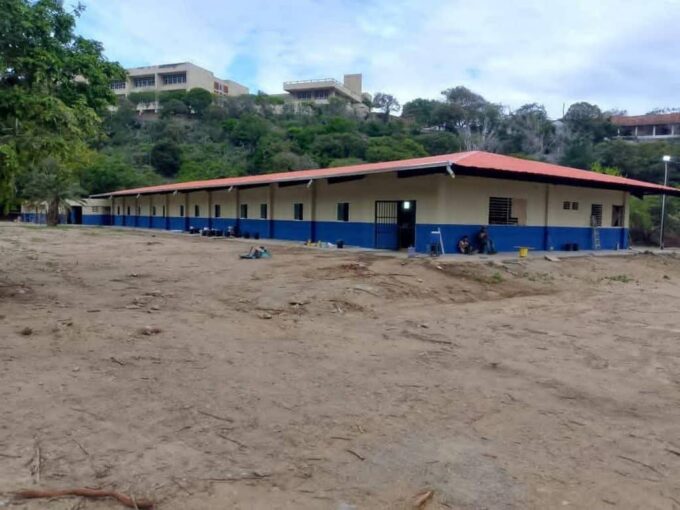
Navigating Vulnerability: The Return of La Guaira’s Universities Post-Earthquake
Explore the challenges faced by La Guaira's universities as they recover from...
3 Mins read
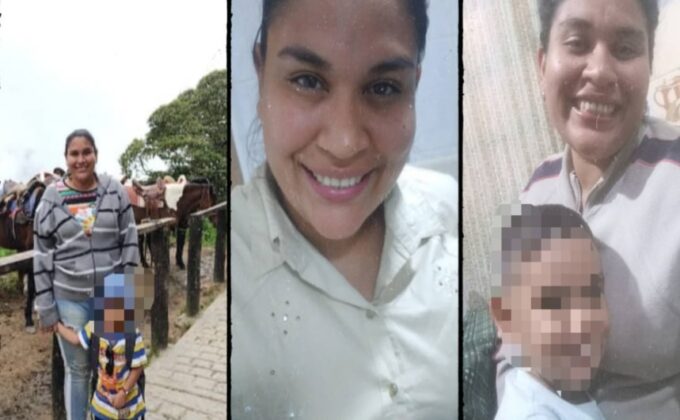
The Unyielding Spirit of Brenda Velázquez: A Mother’s Fight Amidst Political Turmoil
Discover the harrowing story of Brenda Velázquez, a political prisoner in Venezuela,...
2 Mins read
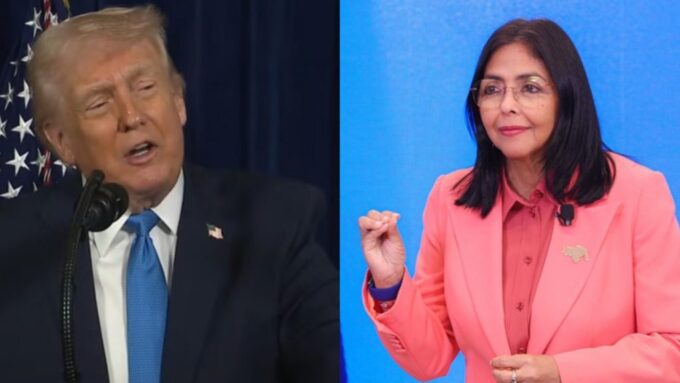


La Política de la Obediencia: Un Análisis del Futuro Venezolano
Exploramos cómo la renuncia a la política en Venezuela ha llevado a...
2 Mins read
