

Understanding the Impact of Natural Disasters on Tenancy
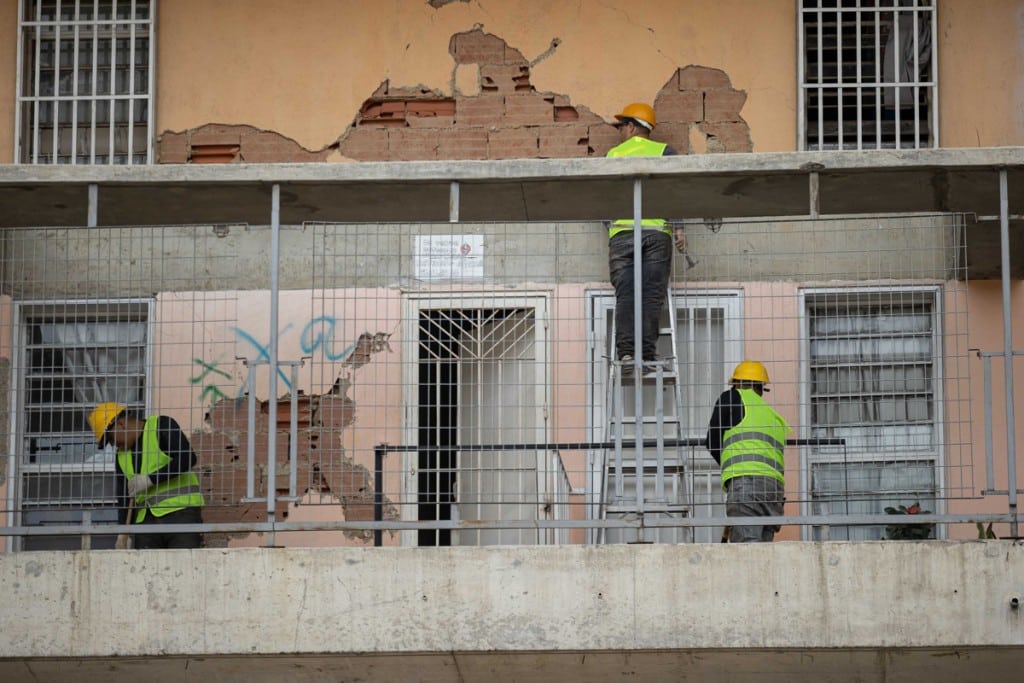
Recent seismic events in Venezuela have left many residents in Caracas and La Guaira grappling with uncertainty regarding their rental agreements and the status of their deposits. The government has acknowledged that thousands of Venezuelans have lost their homes, yet the extent of the impact on tenants specifically remains undocumented. Legal experts and organizations have stepped in to provide guidance to concerned citizens, addressing key questions about tenancy rights in the face of such disasters.
The Legal Framework for Rental Agreements
According to Venezuelan law, particularly the Civil Code and the Law on the Regulation and Control of Housing Rentals, the destruction of a rental property—whether completely or partially—affects the underlying rental contract. As Cora Farías, a legal expert in rental law, explains, if a rented property becomes uninhabitable, tenants are not obligated to continue paying rent. This principle is rooted in the notion that the inability to fulfill contractual obligations due to unforeseen circumstances, such as an earthquake, absolves the tenant of responsibility.
What Happens When Property Becomes Uninhabitable?
When a property is deemed partially habitable, tenants may negotiate reduced rent with their landlords. In cases where an agreement cannot be reached, tenants have the right to seek judicial resolution to terminate the contract. This emphasizes the importance of mediation and negotiation to avoid potential legal disputes, especially in a context where the legal system is already under strain.
Rental Obligations Amidst Crisis
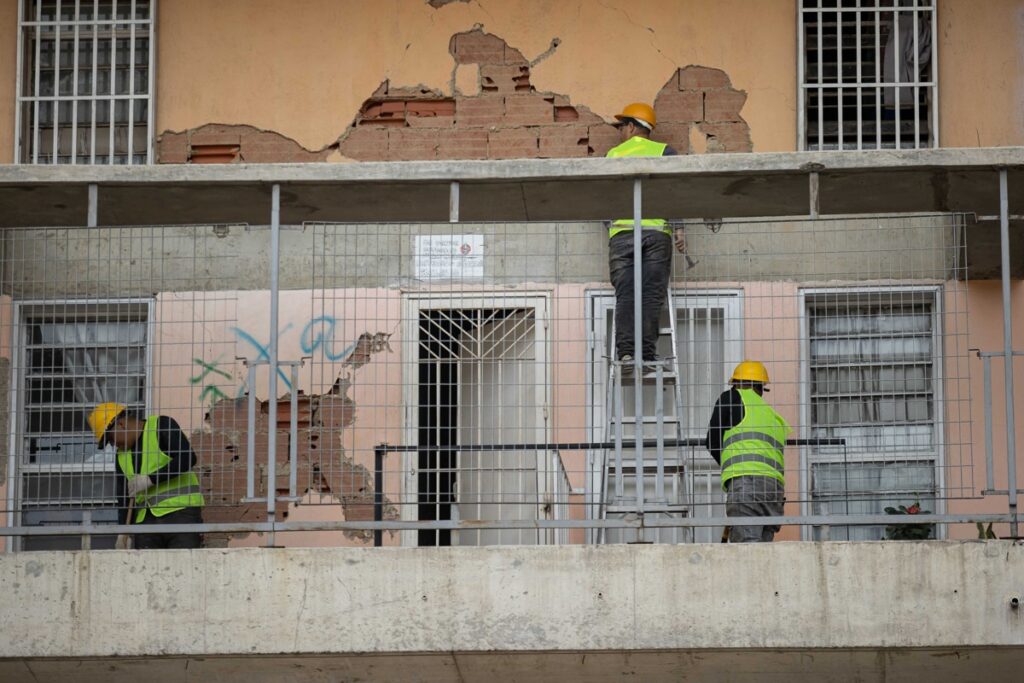
Despite the devastation, it is crucial to understand that tenants must continue to fulfill their rental obligations if their property remains habitable. Legal organizations stress that there has been no suspension of rental payments following the earthquakes. While it may seem harsh, the law maintains that tenants are still responsible for their rent unless their property is rendered unusable. This underscores the importance of understanding one’s rights and responsibilities in the wake of natural calamities.
Deposits and Prepaid Rent: Navigating Financial Concerns
In instances where a property is destroyed, landlords are legally required to return the security deposit to the tenant. This amount, typically equivalent to several months’ rent, must be returned in the same currency it was received, whether in bolívares or dollars. However, the unique circumstances following a disaster may complicate this process, as landlords might face financial challenges in returning deposits. In such cases, mediation is encouraged to resolve any financial disputes amicably.
Repairs and Responsibilities Post-Earthquake
For properties that sustain damage but remain occupied, tenants should document the condition of their residence thoroughly—capturing photographs and notifying landlords promptly. Generally, tenants are responsible for minor repairs, while landlords bear the cost of significant damages, particularly those arising from natural disasters. This delineation of responsibility helps clarify obligations and aids in the resolution of disputes.
Future Prospects for the Rental Market
The aftermath of the earthquakes presents a dual challenge: accommodating the influx of displaced individuals while addressing the apprehension of property owners regarding rental agreements. The current legal framework often favors tenants, which can deter landlords from entering the rental market. As expressed by experts, there is a growing call for reform in the 1999 Rental Law to establish a more balanced relationship between landlords and tenants, ensuring that both parties feel secure in their rights and responsibilities.
In conclusion, the recent earthquakes have illuminated the complexities of the rental landscape in Venezuela. As residents navigate this challenging terrain, understanding legal rights and responsibilities is paramount. Engaging in open communication and seeking mediation where necessary will be key to fostering stability in a time of uncertainty.
Editorial note: This article was created by A Bit Lavish Miami’s Magazine as an original editorial reinterpretation based on publicly available reporting. Original source: efectococuyo.com. Read the original article here: https://efectococuyo.com/la-humanidad/que-pasara-con-los-inquilinos-y-los-alquileres-tras-el-doble-terremoto-en-venezuela/.
Images are used for editorial reference with source credit. If an image requires correction or removal, please contact A Bit Lavish.








Empowering Voices: Women as Architects of Change in Venezuela
Discover how women in Venezuela are shaping the transition towards democracy and...
 3 Mins read
Navigating Vulnerability: The Return of La Guaira’s Universities Post-Earthquake
Explore the challenges faced by La Guaira's universities as they recover from...
3 Mins read
The Unyielding Spirit of Brenda Velázquez: A Mother’s Fight Amidst Political Turmoil
Discover the harrowing story of Brenda Velázquez, a political prisoner in Venezuela,...
2 Mins read


La Política de la Obediencia: Un Análisis del Futuro Venezolano
Exploramos cómo la renuncia a la política en Venezuela ha llevado a...
2 Mins read
