
Record Diesel Prices Slam U.S. Farmers as Harvest Costs Surge Across the Country
MIAMI — September 18, 2026
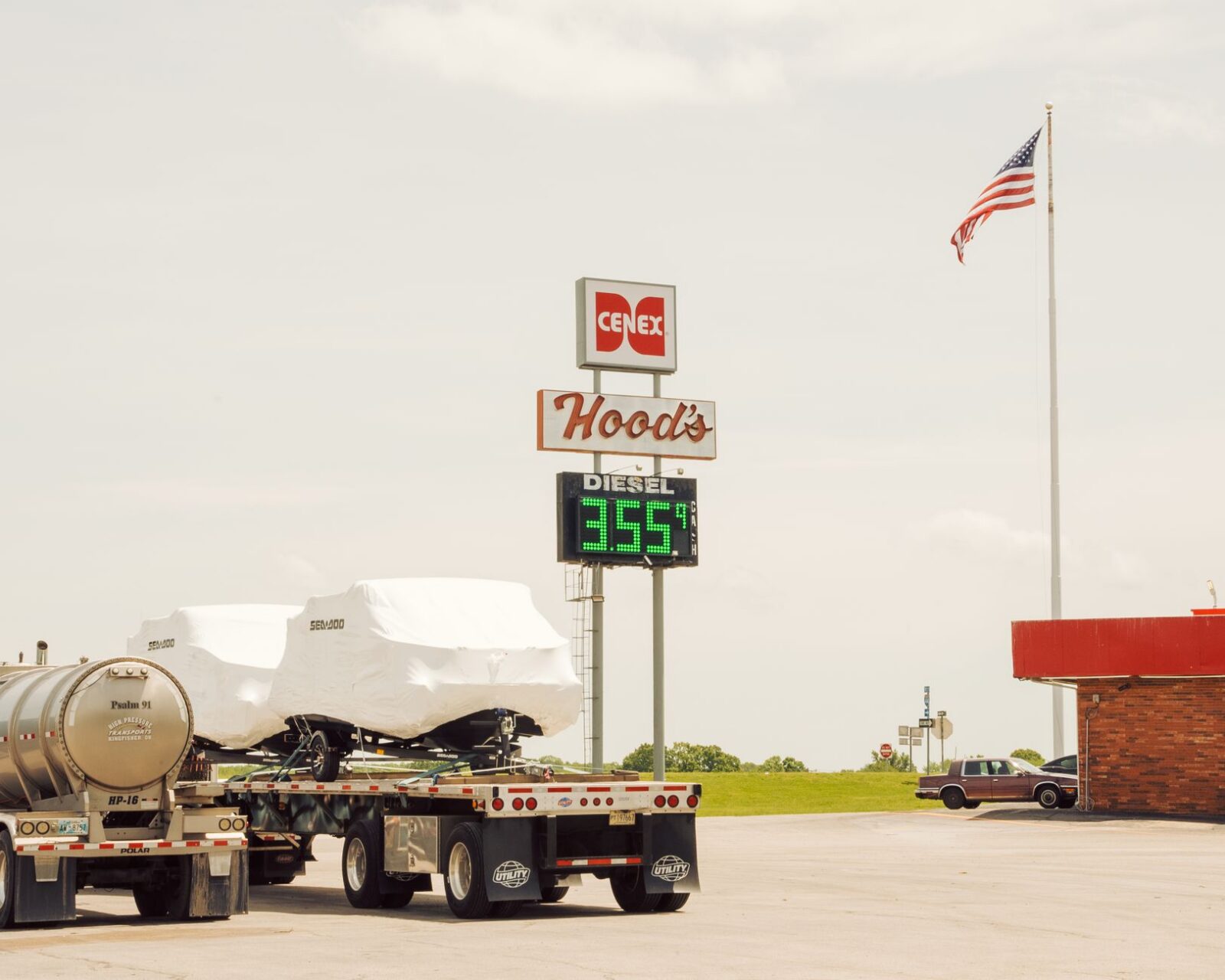
Record diesel prices are currently affecting U.S. farmers during the critical peak harvest season, raising alarms about the economic pressures facing the agricultural sector. As of today, diesel prices have reached unprecedented levels, compounding the financial challenges for farmers who rely heavily on this fuel for their operations.
The surge in diesel prices comes at a particularly challenging time, as farmers across the country are engaged in the annual harvest, which is vital for their income and the broader agricultural economy. The current price of diesel has been reported to exceed $5.50 per gallon in many regions, a significant increase compared to previous years. This spike in fuel costs is not only straining farmers’ budgets but also threatening to drive up the prices of food products nationwide.
According to a report published by AgroLatam on September 18, 2026, the record diesel prices are attributed to a combination of factors, including geopolitical tensions affecting oil supply chains, increased demand for diesel in various sectors, and ongoing inflationary pressures that have affected the entire economy. Farmers, who are already grappling with rising costs for seeds, fertilizers, and labor, now face an additional burden as they prepare to bring in their crops.
The implications of these rising costs are profound. Farmers may be forced to make difficult decisions regarding their operations, including reducing the scale of their harvests, which could lead to lower yields and, ultimately, higher prices for consumers. Additionally, the agricultural sector plays a crucial role in the U.S. economy, and disruptions in farming can have ripple effects that extend beyond rural communities.
This situation is receiving heightened attention now due to the timing of the harvest season and the potential for food price inflation. As consumers begin to feel the impact of these rising costs at grocery stores, the conversation around agricultural sustainability and economic viability is becoming increasingly urgent.
Looking ahead, farmers and agricultural organizations may seek relief through government intervention or subsidies to mitigate the impact of these soaring diesel prices. Additionally, discussions around alternative energy sources and more efficient farming practices may gain traction as stakeholders look for long-term solutions to reduce dependence on fossil fuels.
In summary, the record diesel prices are not just a temporary inconvenience; they represent a significant challenge for U.S. farmers at a critical time, with implications that could affect food prices and agricultural sustainability for the foreseeable future.
Source: AgroLatam









Federal Reserve Approves Interest Rate Hike: Implications for the Economy
The Federal Reserve's recent interest rate hike aims to combat inflation, impacting...
 2 Mins read

Hawk Kashkari Warns of Persistent Inflation, Advocates for Rate Hikes
Federal Reserve President Neel Kashkari emphasizes the need for continued rate hikes...
2 Mins read

White House Takes Control of NIH Grants: A New Era in Health Research Funding
The White House's recent decision to take control of NIH grants signifies...
2 Mins read



Federal Reserve Implements Rate Hike Amidst Persistent Inflation and Accelerated Growth
The Federal Reserve's recent decision to raise interest rates signals a significant...
2 Mins read

Leave a comment