

Shocking Tremors and Their Impact
On June 24, 2026, the tranquil northern coast of Venezuela was shaken by two powerful earthquakes, measuring 7.2 and 7.5 on the Richter scale. The aftermath of these seismic events has left a profound scar on the state of Vargas, with the local government scrambling to account for the substantial human loss and the extensive damage caused. In the weeks following the quakes, the situation has evolved, revealing both the resilience of the communities and the challenges they face in recovery.
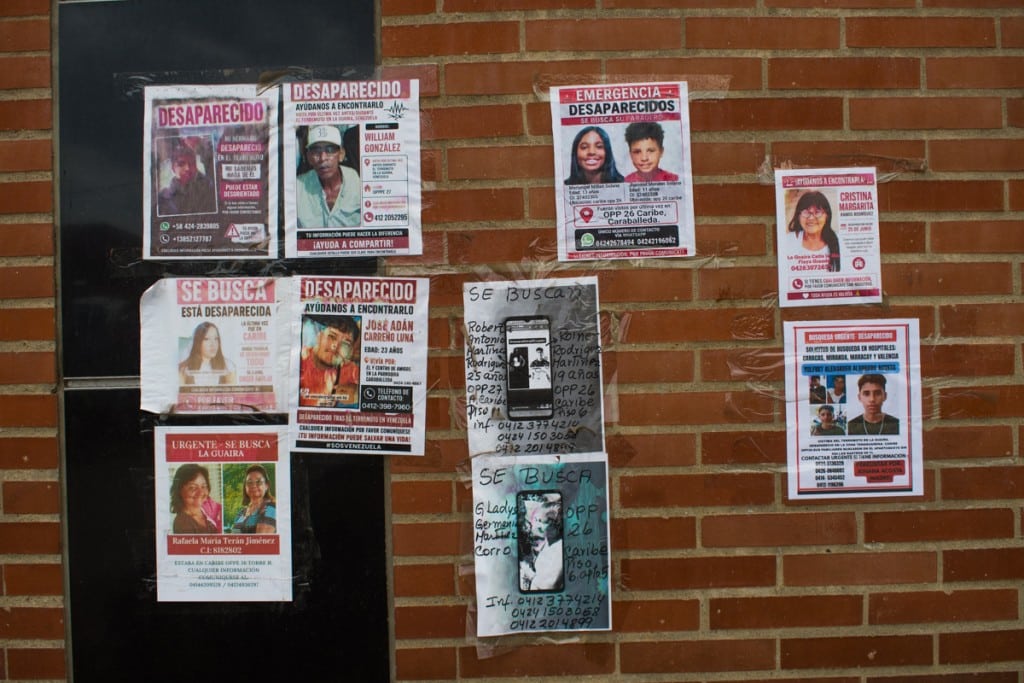
An Official Count of the Missing
As of August 3, 2026, José Alejandro Terán, the governor of Vargas, revealed in a radio interview that the official record indicates 1,579 individuals remain unaccounted for. This figure comes from the Registro Único de Vivienda, a comprehensive census that engaged approximately 35,991 households, encompassing around 115,962 people. Terán emphasized that this is the most reliable database of missing persons to date, as it is based on reports from the families directly affected.
Discrepancies in Casualty Reports
Alongside the count of the missing, Terán reported that 7,265 fatalities have been recorded, a figure notably higher than the 6,125 announced by the interim government just days earlier. This discrepancy arises from the fact that many deceased individuals have not yet been certified by forensic authorities, leaving them classified as missing. The need for accurate reporting is critical as families yearn for closure amidst the chaos.
Voices from the Ground
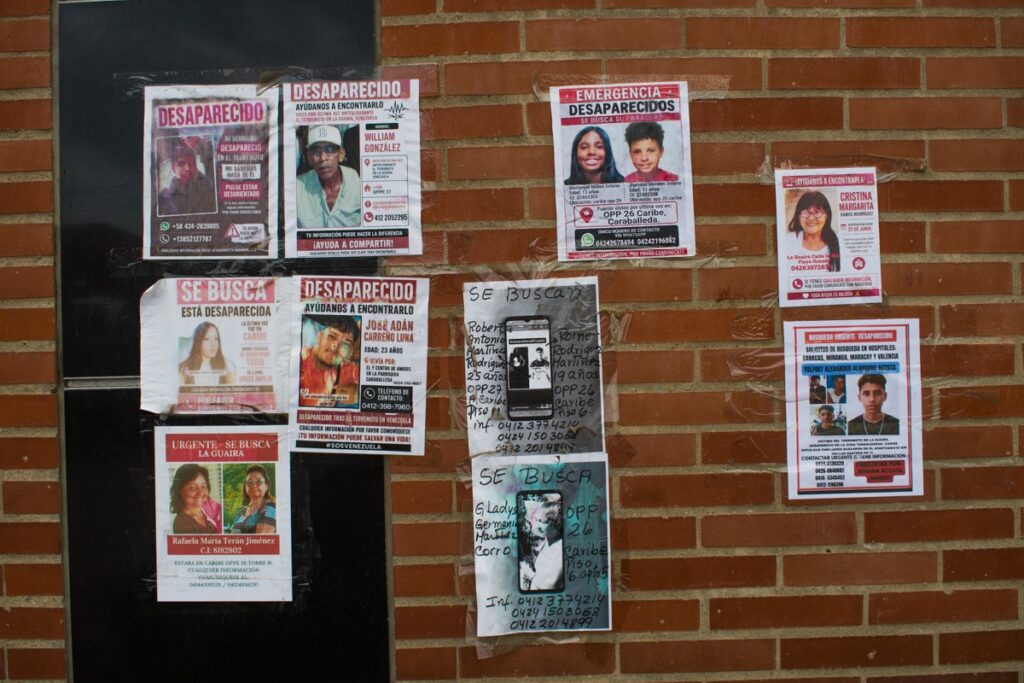
In the wake of the earthquakes, the flow of information has been sporadic, leaving many in darkness regarding the scale of the disaster. Just a day after the tremors, the national authorities reported only 157 individuals as missing—a number that remained stagnant for weeks. Terán himself admitted that an official tally of the missing was not available until late July, when he provided an updated figure of 1,338, revealing the magnitude of the crisis.
Community Challenges and Support Efforts
The earthquakes have had a devastating impact on the region, particularly in La Guaira, where assessments reveal that at least 180 buildings have collapsed, with structural damage reported in another 750. The local populace, especially in areas like Catia La Mar, Macuto, and Caraballeda, is facing immense challenges in the recovery phase. Emergency services have been mobilized, yet the combination of communication breakdowns and the sheer scale of destruction has hampered efforts to locate missing persons initially thought to be lost.
Looking Forward: Recovery and Rebuilding
As recovery efforts continue, the resilience of the Venezuelan people shines through. Community organizations and international bodies are rallying to provide support, ensuring that vital services and resources reach those in need. The path forward remains fraught with difficulties, but the spirit of solidarity among the affected communities is a beacon of hope.
In the face of adversity, the people of Vargas are determined to rebuild, honoring those lost while striving to restore their vibrant coastal community. The road to recovery may be long, but together, they will rise again.
Editorial note: This article was created by A Bit Lavish Miami’s Magazine as an original editorial reinterpretation based on publicly available reporting. Original source: efectococuyo.com. Read the original article here: https://efectococuyo.com/la-humanidad/gobernador-de-vargas-dice-que-solo-hay-1-579-personas-desaparecidas-tras-los-terremotos/.
Images are used for editorial reference with source credit. If an image requires correction or removal, please contact A Bit Lavish.








Shooting of Venezuelan DoorDash Driver by ICE Agent in Austin Sparks Protests
The shooting of a Venezuelan DoorDash driver by an ICE agent in...
 2 Mins read
Shooting of Venezuelan Man by ICE Officer in Austin Raises Public Safety Concerns
The shooting incident involving a Venezuelan man by an ICE officer in...
1 Mins read
Venezuela Extradites 18 Suspects in Assassination of Haiti’s President to the U.S.
The extradition of suspects in the assassination of Haiti's president marks a...
2 Mins read


Human Rights Watch Calls on Venezuela to Uphold Basic Rights and Release Political Prisoners
The international human rights organization urges the Venezuelan government to protect fundamental...
2 Mins read
