

A New Chapter in Sustainability
In recent years, the push towards eco-friendly products has led to a remarkable shift in consumer preferences, particularly in the realm of everyday household items. The toilet paper industry, traditionally reliant on wood pulp, is now experiencing a paradigm shift thanks to innovative companies like Paddy Paper. Founded by Matt Dye, Paddy Paper is on a mission to revolutionize the way we think about toilet paper by harnessing an unconventional resource: rice straw.
Identifying the Problem
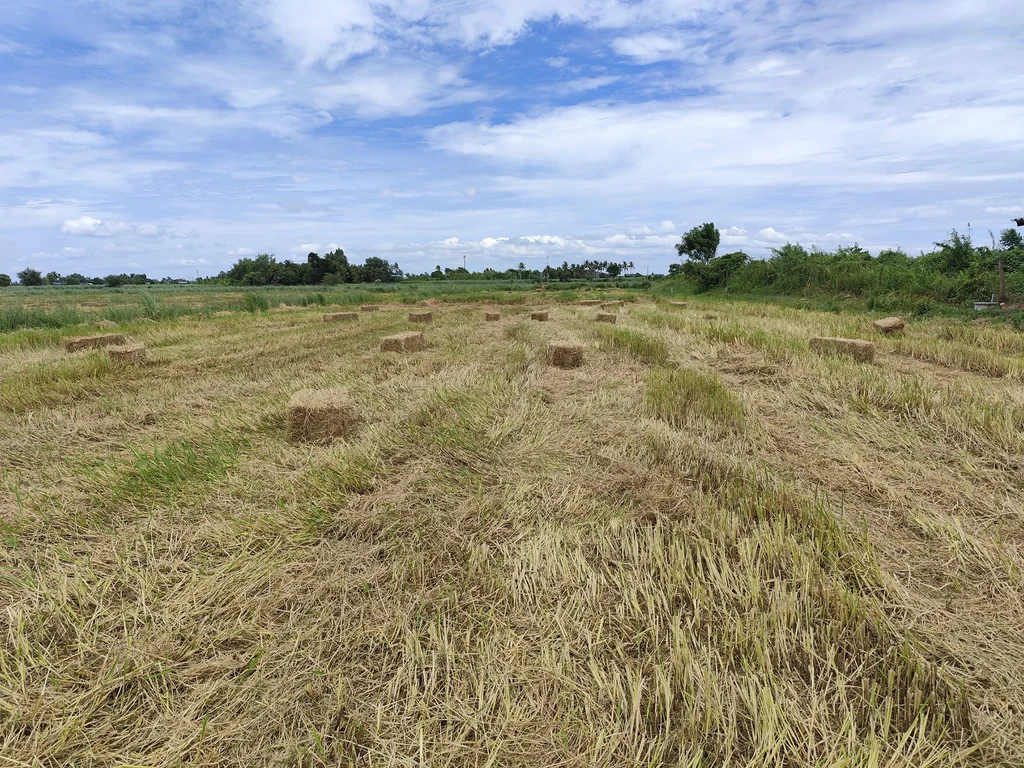
The inception of Paddy Paper traces back to a pivotal moment during Dye’s visit to Bangkok in 2022, where he encountered the pervasive air pollution that often engulfs the city. It became clear that a significant contributor to this environmental crisis was the practice of burning rice straw—a common byproduct of rice farming. This method not only exacerbates air quality issues but also emits considerable greenhouse gases. Despite its harmful effects, farmers have historically dismissed rice straw as economically worthless, leading to widespread burning practices.
Transforming Waste into Value
Dye’s vision was simple yet ambitious: to turn this agricultural waste into a valuable product that addresses both environmental pollution and the sustainability challenges of conventional toilet paper production. The stark contrast between the decades-long growth cycles of trees and the immediate usability of rice straw highlights a significant opportunity for innovation. By rethinking the materials that go into everyday products, Paddy Paper aims to reduce reliance on wood pulp while utilizing a resource that is readily available.
A Sustainable Solution
While bamboo toilet paper has gained traction as an alternative, Dye raises pertinent questions about the sustainability of scaling bamboo production. The concern lies in the potential displacement of forests and farmland in the pursuit of meeting growing consumer demand for bamboo-based products. Paddy Paper’s approach, on the other hand, advocates for a circular economy model—one that prioritizes the repurposing of existing agricultural waste rather than cultivating new land for resource extraction.
Innovation Meets Research
To bring his idea to fruition, Dye collaborated with a Thai company already adept at producing takeout boxes from rice straw. Together, they embarked on a journey of research and development, striving to create a viable pulp and tissue-making process suitable for toilet paper. The challenge lay in the inherent stiffness of rice straw fibers, which required significant adjustments to traditional manufacturing techniques to ensure a soft, high-quality product.
The Product Experience
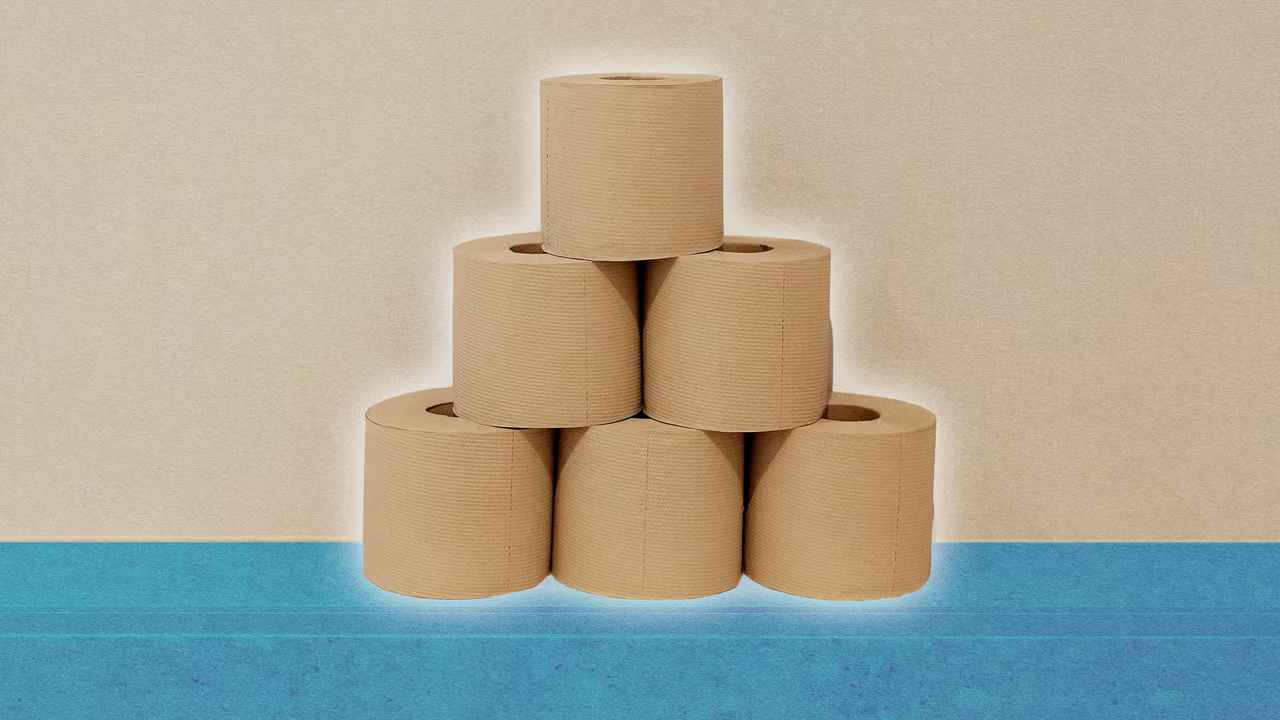
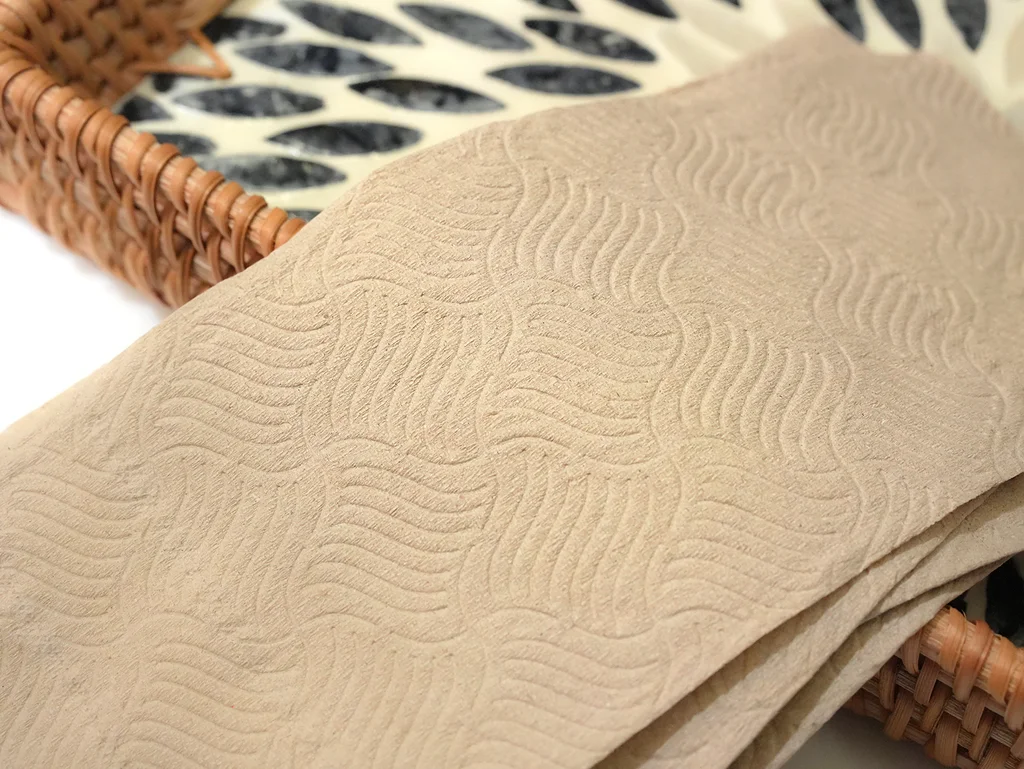
Paddy Paper’s initial product offering is undyed toilet paper, which may present a challenge to consumers accustomed to the pristine white of conventional options. While the natural hue may not appeal to everyone, Dye emphasizes the importance of avoiding harmful bleaching processes. The current product is slightly coarser than its competitors, though it has shown promise, particularly with its paper towels, which might appeal to a broader audience. With an introductory price point that undercuts many bamboo options, Paddy Paper positions itself as an accessible alternative.
Scaling Up with Purpose
The potential for growth is substantial, as rice is one of the most widely cultivated crops globally. For every kilogram of rice produced, an equal amount of straw remains, amounting to an astonishing 1.6 to 2 trillion pounds of rice straw available annually. This abundant resource could transform the toilet paper market, offering a sustainable alternative that could eventually replace tree-based pulp entirely.
Looking Ahead
As Paddy Paper embarks on its journey, the emphasis on consumer feedback will play a crucial role in refining and improving the product. If successful, this venture could shift the paradigm in how we approach personal hygiene products, urging consumers to consider not just the comfort and functionality of their choices, but also their environmental impact. In a market where sustainability is becoming increasingly paramount, Paddy Paper stands at the forefront of innovation, inviting consumers to join in a movement towards a greener future.
Editorial note: This article was created by A Bit Lavish Miami’s Magazine as an original editorial reinterpretation based on publicly available reporting. Original source: fastcompany.com. Read the original article here: https://www.fastcompany.com/91594365/paddy-toilet-paper-made-from-rice-straw.
Images are used for editorial reference with source credit. If an image requires correction or removal, please contact A Bit Lavish.




Trump Announces ‘Super Intelligence Force’ for AI Oversight
The establishment of a new regulatory body for artificial intelligence marks a...
 2 Mins read
Sydney Sweeney’s Novig Ad Sparks Controversy and Boosts Company Valuation
Sydney Sweeney's recent advertisement for Novig has ignited backlash from female athletes...
2 Mins read
Maximizing Your iPhone: Unlocking Hidden Storage Without Sacrifice
Discover innovative ways to reclaim iPhone storage without deleting cherished memories or...
3 Mins read
Trump Announces Creation of ‘Super Intelligence Force’ to Oversee AI Policy
The establishment of the 'Super Intelligence Force' marks a pivotal shift in...
2 Mins read