
Russia Establishes Alternative Routes to Crimea Following Ukrainian Strikes on Bridges
In a significant development on June 11, 2026, Russia has introduced new detour routes to Crimea following targeted strikes by Ukrainian forces that have severely damaged key bridges. This strategic move underscores the ongoing intensity of the conflict, which has seen both sides engage in escalating military actions as they vie for control over critical infrastructure.
The Ukrainian strikes, which have not been officially quantified, reportedly targeted vital transport links that facilitate both military and civilian movement into Crimea. The damage to these bridges poses logistical challenges for Russian military operations and civilian access, prompting the Kremlin to quickly devise alternative routes to maintain supply lines and troop movements in the region. This situation highlights the persistent volatility in Eastern Europe, where military engagements continue to disrupt traditional routes and settlements.
This development matters on a global scale as it reflects the broader implications of the Russo-Ukrainian conflict, which has significant geopolitical ramifications. The adaptation of Russian infrastructure in Crimea not only showcases the resilience of military logistics under duress but also signals a potential escalation of hostilities. International observers are closely monitoring these shifts, as they could impact regional security dynamics, provoke further military responses from Ukraine, and influence the broader response from NATO and other global powers.
Looking ahead, the establishment of these detour routes may lead to intensified military engagements as both sides seek to secure their strategic interests. The ongoing conflict risks drawing in international stakeholders, particularly if civilian casualties increase or if there are further escalations in military actions. As both Russia and Ukraine navigate this precarious landscape, the situation remains fluid, with the potential for significant implications for peace and stability in the region.
Source: UNITED24 Media









FIFA Overturns Red Card Ban for US Star Following Controversial Trump Call
The decision to overturn the ban raises questions about governance in sports...
 1 Mins read
White House Launches Effort to Overturn World Cup Red Card Decision
The U.S. government's intervention in a World Cup red card appeal reflects...
1 Mins read
White House Report Criticizes Smithsonian Leadership as Untrustworthy Activists
The White House's recent critique of Smithsonian leadership underscores deepening political divides...
1 Mins read
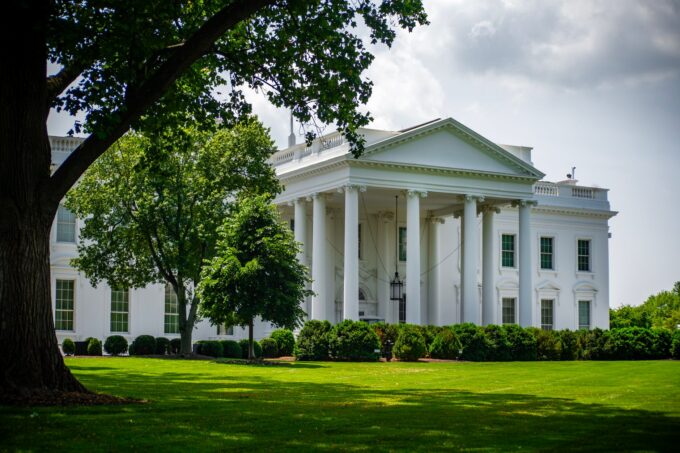


Trump’s White House Undergoes Significant Makeover Amidst Political Landscape Changes
The transformation of Trump's White House reflects ongoing political shifts and may...
1 Mins read
