
Zelensky and Putin Engage in Exhausted Peace Talks Amid Ongoing Conflict
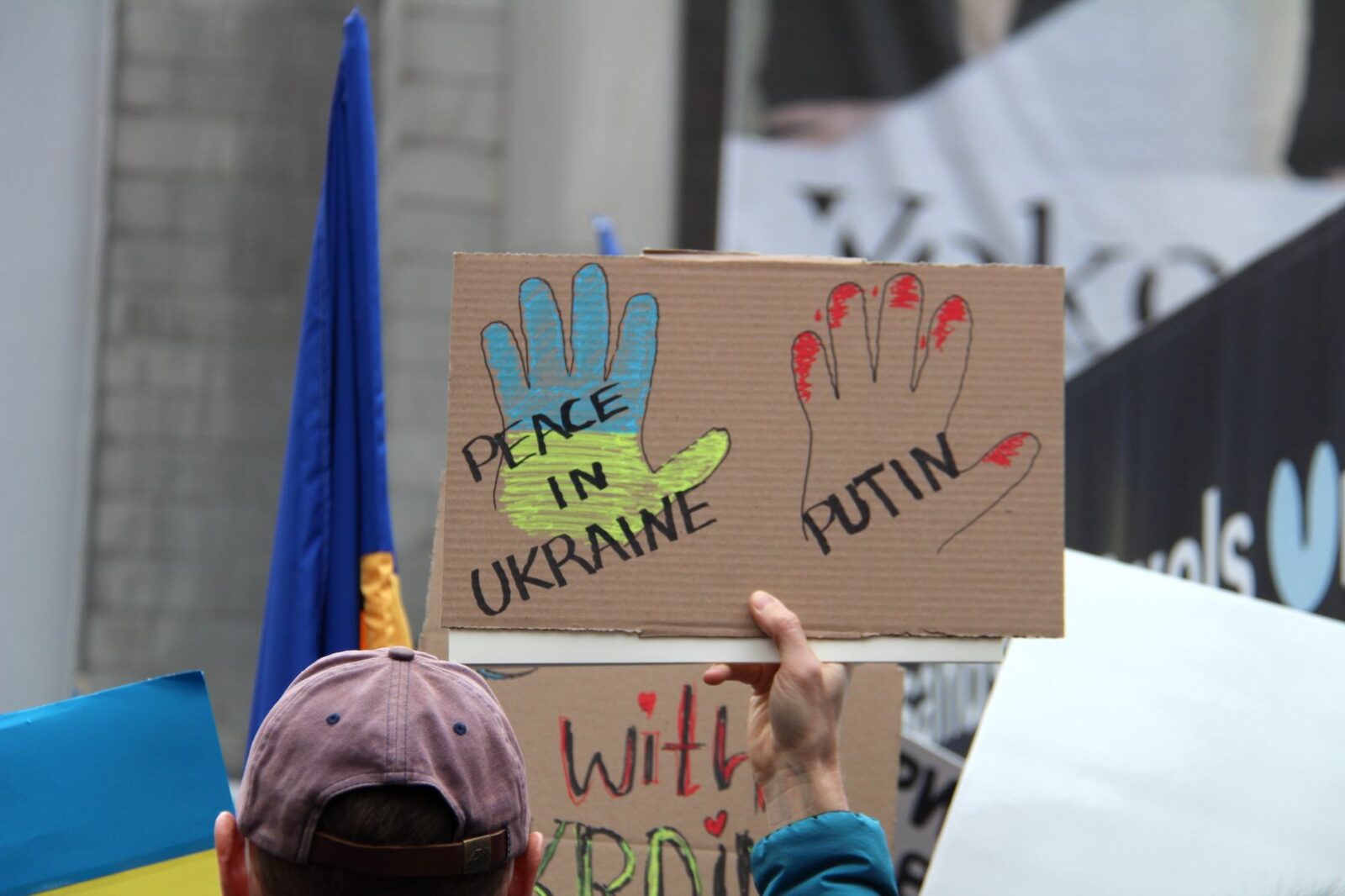
As of June 11, 2026, Ukrainian President Volodymyr Zelensky and Russian President Vladimir Putin are engaged in discussions aimed at achieving a ceasefire, reflecting the dire need for resolution in a conflict that has persisted for over two years. The ongoing war, which began with Russia’s full-scale invasion of Ukraine in February 2022, has resulted in significant territorial losses for Ukraine and a humanitarian crisis that has displaced millions of civilians. Both leaders, facing mounting pressure from their respective populations and international allies, are now exploring avenues for an exhausted peace.
The backdrop to these talks is a complex geopolitical landscape. Zelensky, bolstered by continued support from NATO and the European Union, is under immense pressure to reclaim lost territory, particularly in the eastern regions of Donetsk and Luhansk, which have been heavily contested. Conversely, Putin, whose military has faced increasing scrutiny over its operational effectiveness, grapples with economic sanctions that have stunted Russia’s economy and deepened domestic discontent. The stakes are high; failure to reach an agreement could lead to further escalation, while a successful negotiation may pave the way for a fragile peace.
This moment is critical not only for Ukraine and Russia but also for the broader international community. The conflict has ramifications that extend beyond regional borders, affecting global energy markets, international security policies, and humanitarian aid distributions. Countries reliant on Ukrainian grain exports, for instance, are watching closely, as continued hostilities threaten food security in parts of Africa and the Middle East.
Looking ahead, the potential outcomes of the current talks remain uncertain. Should Zelensky and Putin reach a consensus, it could herald a new phase in Eastern European stability, yet skepticism abounds given past failures in negotiations. Alternatively, if talks collapse, the likelihood of renewed hostilities could escalate, prompting a reassessment of military strategies among NATO allies and further entrenching the conflict’s global implications.
Source: The Spectator Australia







FIFA Overturns Red Card Ban for US Star Following Controversial Trump Call
The decision to overturn the ban raises questions about governance in sports...
 1 Mins read
White House Launches Effort to Overturn World Cup Red Card Decision
The U.S. government's intervention in a World Cup red card appeal reflects...
1 Mins read
White House Report Criticizes Smithsonian Leadership as Untrustworthy Activists
The White House's recent critique of Smithsonian leadership underscores deepening political divides...
1 Mins read


Trump’s White House Undergoes Significant Makeover Amidst Political Landscape Changes
The transformation of Trump's White House reflects ongoing political shifts and may...
1 Mins read
