
Russia Intensifies Offensive in Ukraine; Zelenskyy Appeals to NATO for Air Defense Support
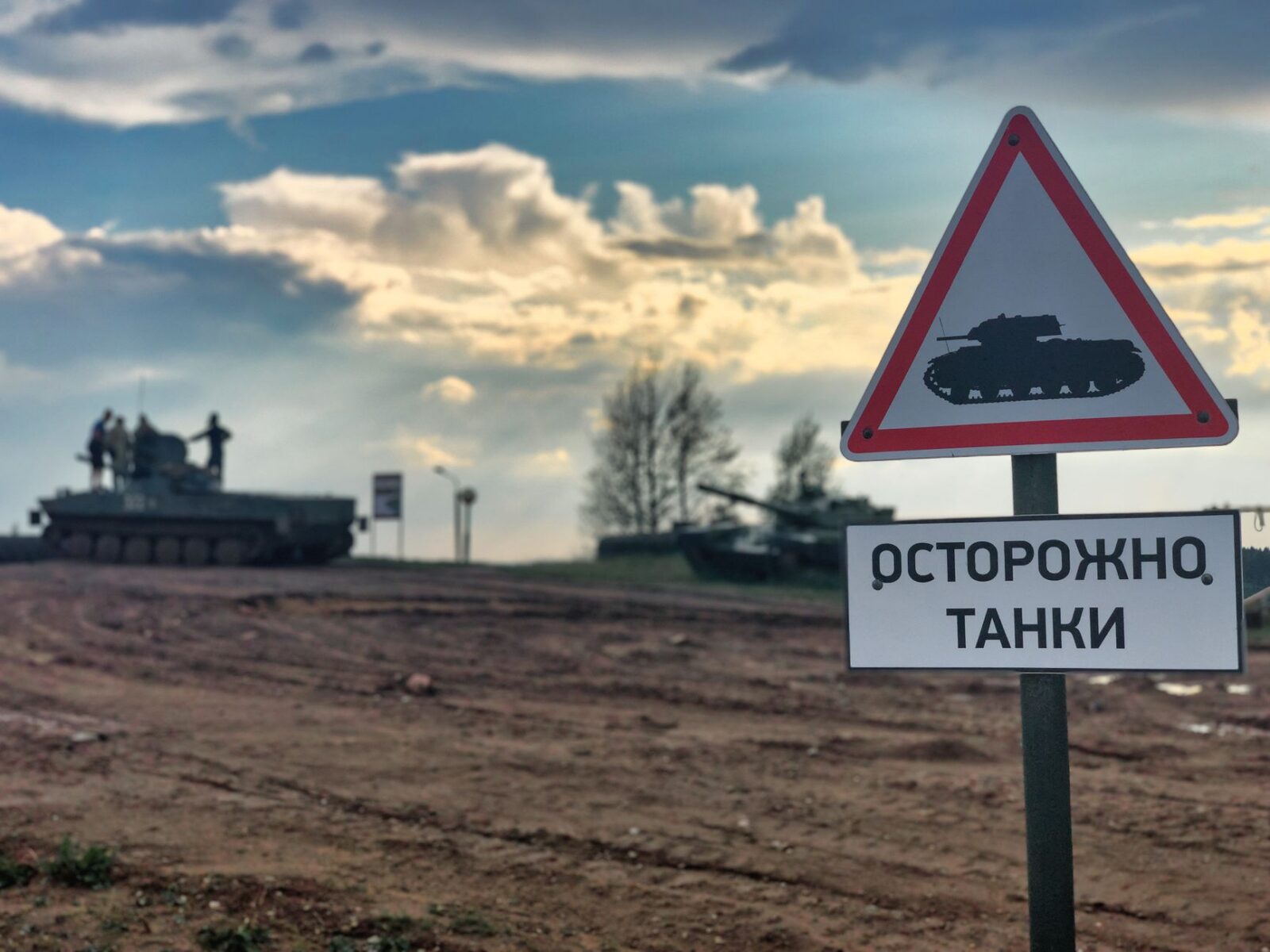
On July 7, 2026, Russia launched a significant military offensive against Ukraine, resulting in numerous civilian casualties and extensive damage to infrastructure. This attack comes amid a backdrop of ongoing conflict that has persisted since 2014, with the latest escalation marking one of the deadliest periods in recent history. Ukrainian President Volodymyr Zelenskyy has responded by urgently appealing to NATO allies for enhanced air defense systems to protect against further assaults.
The attack reportedly involved missile strikes targeting key urban areas, including the capital, Kyiv, and other major cities. The Ukrainian government has confirmed that the strikes have resulted in at least 30 civilian deaths and hundreds injured, prompting international condemnation. Zelenskyy’s appeal to NATO, a military alliance comprising 31 member states, highlights the critical need for advanced defensive capabilities as Ukraine continues to face a formidable adversary.
This situation is not just a regional crisis; it poses significant global implications. The conflict has already strained international relations and disrupted energy supplies, particularly in Europe, which relies heavily on Ukrainian transit routes for gas. The urgency of Zelenskyy’s request for air defense support reflects a broader concern that failure to provide adequate military assistance could embolden Russian aggression further, destabilizing the entire European continent.
Looking ahead, the potential for NATO’s response remains uncertain. Should NATO decide to bolster support for Ukraine, it could lead to a significant shift in the dynamics of the conflict. Conversely, a lack of action may result in increased casualties and territorial losses for Ukraine, ultimately affecting global security and economic stability. The international community is at a critical juncture, where decisive action or inaction could reshape the geopolitical landscape for years to come.
Source: Social News XYZ









Formula E 2025/26: Drivers’ Standings After 13 Rounds Highlight Competitive Dynamics
The current standings in Formula E underscore the evolving landscape of electric...
 1 Mins read

Ryan Blaney Secures NASCAR Cup Pole Position Without Qualifying on July 19, 2026
This unprecedented pole position raises questions about NASCAR's qualifying processes and competitive...
1 Mins read

Donald Trump Finalizes Swift Deal with Roger Penske for Freedom 250
This rapid agreement underscores shifting dynamics in U.S. motorsports and Trump's continued...
1 Mins read



Francisco Lindor Nears Cycle as Mets Triumph Over Phillies
Lindor's near cycle highlights the Mets' resurgence, reflecting broader trends in Major...
1 Mins read
Leave a comment