
Russian Regions Reimpose Fuel Purchase Limits Amid Ongoing Refinery Attacks
MOSCOW — September 23, 2026
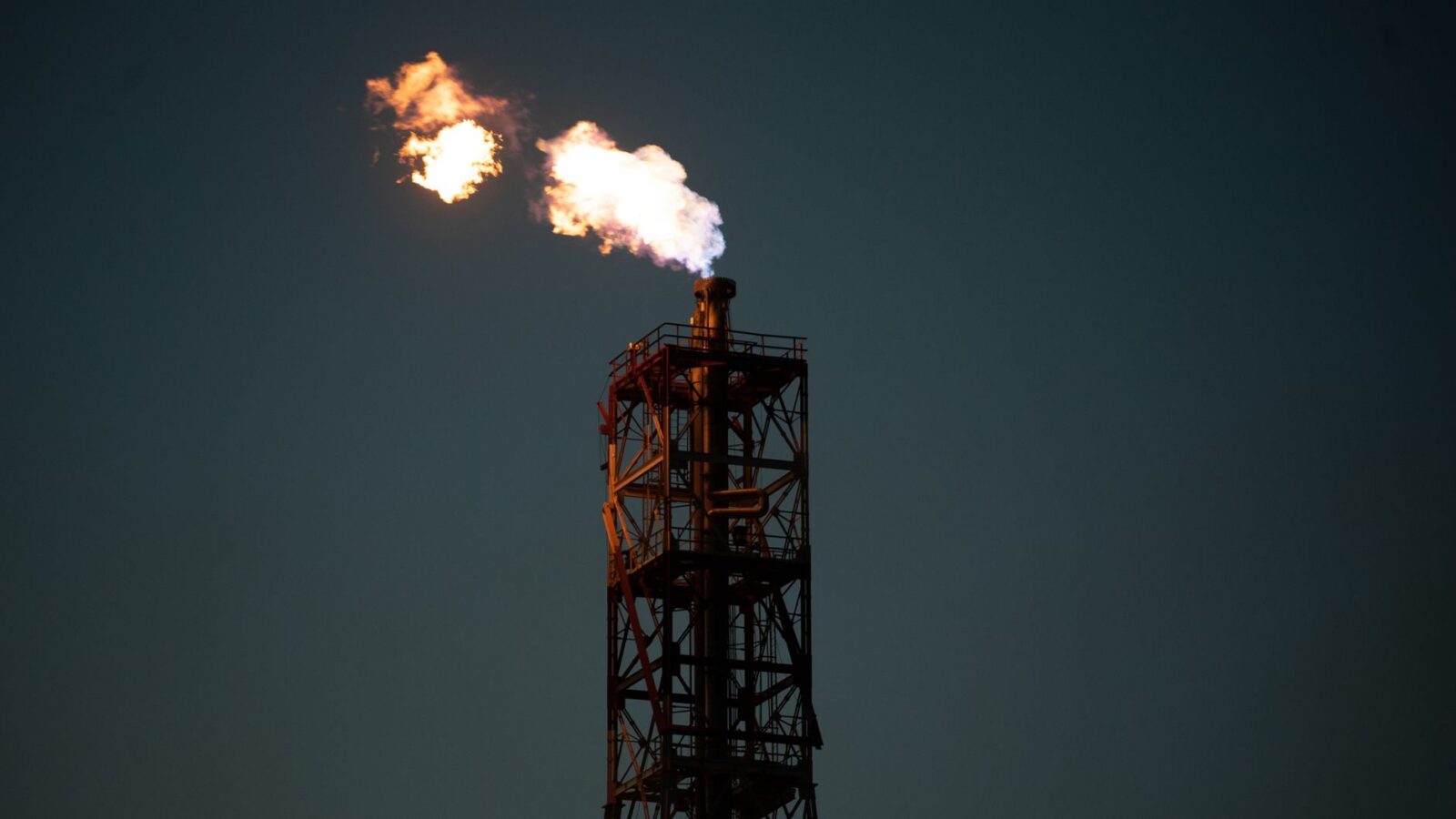
In a significant response to ongoing attacks on oil refineries, several Russian regions have begun to reimpose fuel purchase limits. This development, confirmed by The Moscow Times, underscores the escalating tensions in the region and the direct impact of Ukraine’s military actions on Russia’s energy infrastructure.
The attacks on Russian oil refineries have been a persistent issue, with Ukraine reportedly targeting these facilities to disrupt Russia’s energy supply chain. The recent escalation in these attacks has prompted local authorities in regions such as Tatarstan and Bashkortostan to implement restrictions on fuel purchases, aiming to manage supply and prevent panic buying among consumers.
These measures were officially announced on September 23, 2026, as local governments reacted to the heightened threat posed by the ongoing conflict. The decision to reintroduce fuel purchase limits comes amid fears of fuel shortages and rising prices, which could exacerbate the already strained economic conditions in these regions.
The trigger for this development appears to be a series of coordinated strikes by Ukrainian forces targeting key oil infrastructure in Russia. These attacks have not only raised concerns about the immediate availability of fuel but have also led to broader implications for energy security in the region. The Russian government has been forced to reassess its energy strategy in light of these vulnerabilities.
As of now, the specific limits imposed vary by region, with some areas capping purchases to ensure that fuel remains available for essential services and transportation. The Russian Ministry of Energy has yet to release a comprehensive statement regarding the overall impact of these attacks on national fuel supplies, but the situation is being closely monitored.
This story is receiving heightened attention due to its implications for both domestic stability and international energy markets. The reimposition of fuel limits could lead to increased prices and potential shortages, affecting not only consumers but also businesses reliant on stable fuel supplies. Furthermore, the ongoing conflict and its ramifications for energy security are likely to resonate beyond Russia, impacting global oil prices and geopolitical dynamics.
Looking ahead, the situation remains fluid. If attacks on refineries continue, further restrictions on fuel purchases may be implemented across additional regions. Additionally, the Russian government may consider more aggressive military responses to protect its energy infrastructure. The international community will be watching closely, as these developments could influence diplomatic relations and energy policies worldwide.
Source: The Moscow Times








US and Iran Engage in First Talks Since June Following Trump’s U.N. Threats
The recent dialogue between the US and Iran marks a pivotal moment...
 2 Mins read

Zelenskyy Proposes Energy Ceasefire with Russia Following Meeting with Trump
Ukrainian President Volodymyr Zelenskyy has announced Ukraine's readiness for an energy ceasefire...
2 Mins read
Trump’s UN Speech: A Stark Warning to Iran and Cuba
In a bold address at the United Nations, former President Donald Trump...
2 Mins read



Xi Jinping Begins State Visit to Washington with Rare Planeside Welcome from Trump
The state visit marks a pivotal moment in U.S.-China relations, highlighting ongoing...
2 Mins read

Leave a comment