
Saudi Airport Targeted in Houthi Attack Amid Rising Geopolitical Tensions
RIYADH — October 10, 2026
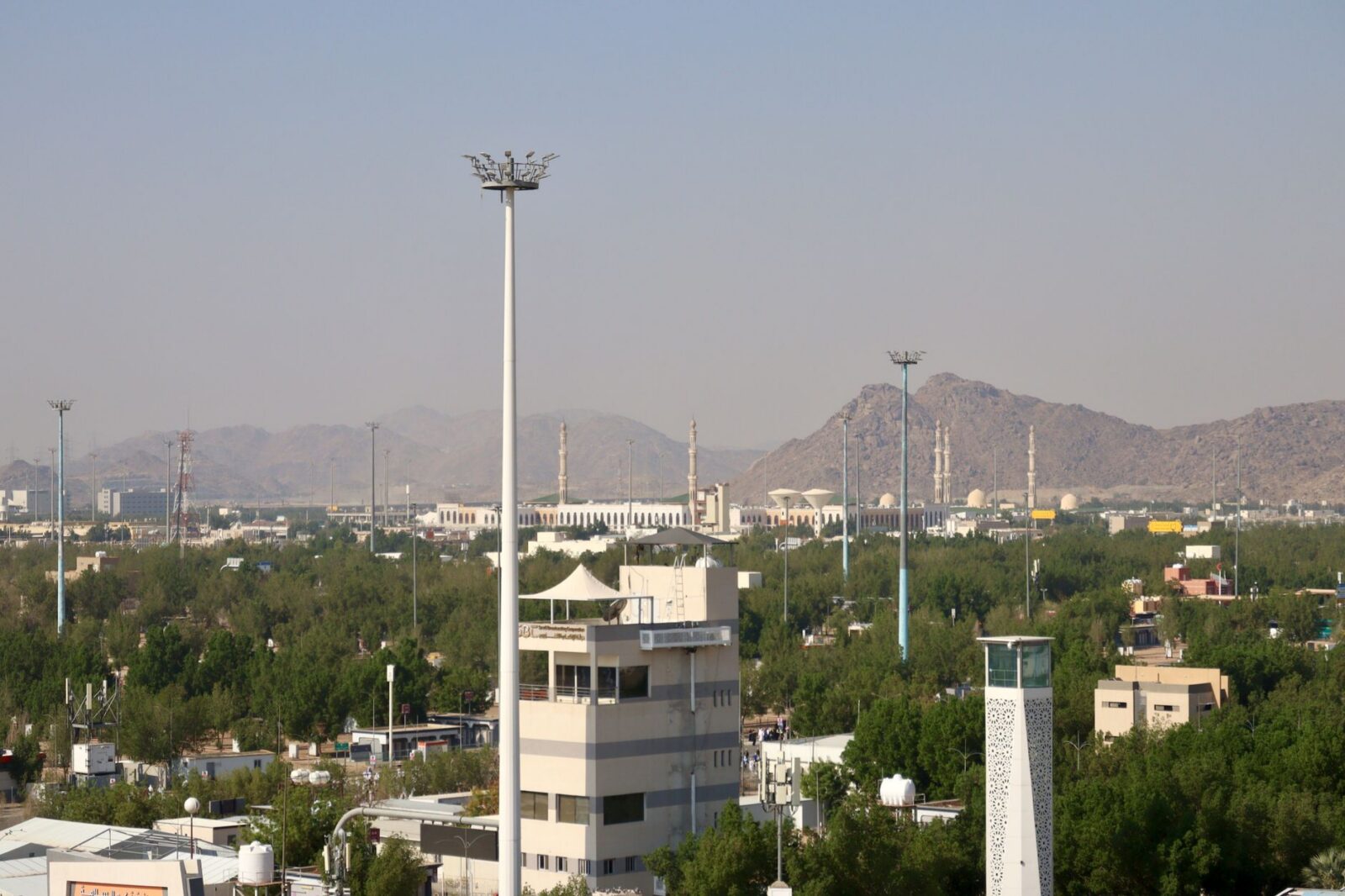
In a troubling escalation of regional tensions, the airport in Saudi Arabia’s capital, Riyadh, was attacked today by Houthi forces, as confirmed by local officials. This incident marks a significant development in the ongoing conflict involving Iran-backed Houthi rebels, who have increasingly targeted Saudi infrastructure amid heightened geopolitical strife.
The attack occurred early in the day, with reports indicating that missiles were fired at the airport, causing damage to facilities but, as of now, no casualties have been reported. The Saudi government has not released detailed information regarding the extent of the damage or the operational status of the airport following the assault.
This incident is part of a broader pattern of Houthi aggression against Saudi Arabia, which has intensified in recent months. The Houthis, who control significant portions of Yemen, have been engaged in a protracted conflict with a Saudi-led coalition since 2015. The coalition intervened in Yemen to restore the internationally recognized government, which has led to a devastating humanitarian crisis.
The recent uptick in Houthi attacks can be attributed to several factors, including the ongoing war in Ukraine, which has shifted global attention and resources, and the perceived weakening of U.S. influence in the region. Additionally, the Houthis have been emboldened by Iran’s support, which has included military supplies and strategic guidance.
Saudi Arabia’s response to this latest attack is likely to involve increased military readiness and potential retaliatory strikes against Houthi positions in Yemen. The Saudi government has previously vowed to protect its territory and infrastructure from such assaults, and this incident may prompt a reevaluation of its defense strategies.
This development is receiving heightened attention due to its implications for regional stability and security. The ongoing conflict in Yemen has already drawn in multiple regional powers, and any escalation could further destabilize the Arabian Peninsula, impacting global oil markets and international diplomatic relations.
Looking ahead, analysts suggest that the situation could escalate further, with potential retaliatory actions from Saudi Arabia against Houthi targets. The international community, particularly the United States, may also be compelled to reassess its engagement in the region, especially in light of the increasing frequency of such attacks.
As the situation develops, the focus will remain on the responses from both the Saudi government and the Houthi leadership, as well as the broader implications for Middle Eastern geopolitics.
Source: The Washington Post









Russian Attacks Kill 12 in Ukraine Following Trump’s Diesel Deal with Putin
The recent diesel agreement between Trump and Putin has escalated tensions, resulting...
 2 Mins read

Trump Criticizes Norway Over Nobel Peace Prize Snub
Former President Donald Trump publicly criticized Norway for what he perceives as...
2 Mins read
Escalation of Houthi Attacks on Saudi Arabia Amid Ongoing Iran War
Recent Houthi attacks on Saudi Arabia mark a significant escalation in regional...
1 Mins read



Trump’s Diesel Deal with Putin Sparks Outrage from Ukraine
The recent announcement of a diesel deal between Donald Trump and Vladimir...
2 Mins read

Leave a comment