
Saudi Arabia Intercepts Houthi Missiles Amid Claims of Strikes on Riyadh and Aramco
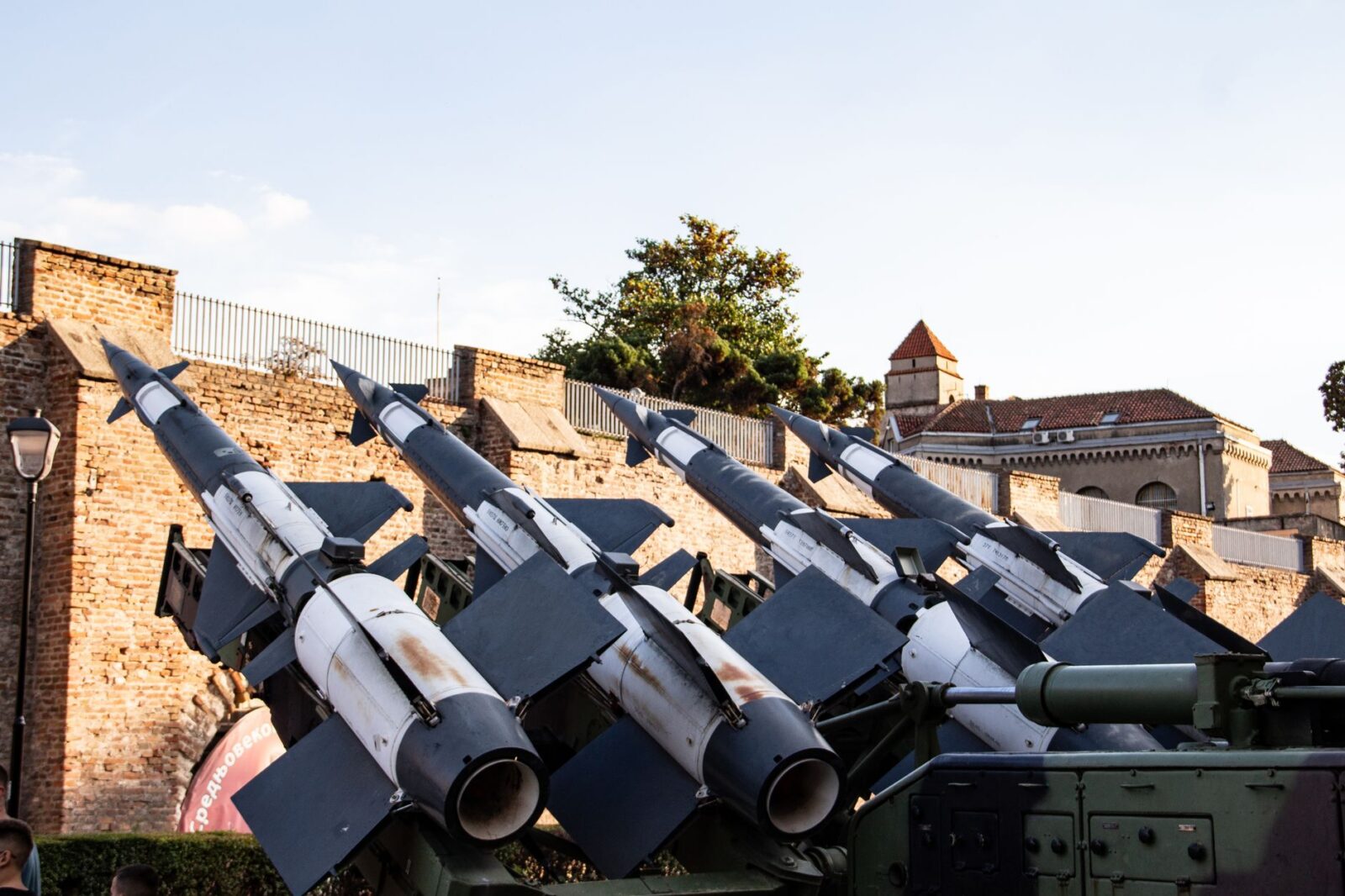
RIYADH — September 24, 2026
In a significant escalation of tensions in the Middle East, Saudi Arabia announced on September 24, 2026, that it successfully intercepted multiple missiles launched by the Houthi movement from Yemen. The Houthis subsequently claimed responsibility for strikes targeting Riyadh and the Saudi state oil company, Aramco. This development has immediate implications for regional security and the global oil market, drawing international attention.
The interception occurred as part of Saudi Arabia’s ongoing efforts to defend its territory against Houthi attacks, which have intensified in recent months. The Saudi military reported that the missiles were intercepted before they could reach their intended targets, although specific details regarding the interception’s location and the number of missiles involved have not been disclosed.
The Houthis, a group backed by Iran, have increasingly targeted Saudi Arabia as part of their broader conflict with the Saudi-led coalition in Yemen. Their claims of striking Riyadh and Aramco, if verified, could signify a dangerous escalation in hostilities, particularly given Aramco’s critical role in the global oil supply chain.
This incident is particularly noteworthy as it comes amid heightened geopolitical tensions in the region, including ongoing conflicts in Yemen and the broader implications of Iran’s influence in the Middle East. The Houthis’ missile capabilities have been a point of concern for Saudi Arabia and its allies, and this latest development underscores the persistent threat they pose.
Market analysts are closely monitoring the situation, as any disruption to oil production or supply could lead to fluctuations in global oil prices. The oil market has been sensitive to geopolitical events, and the potential for increased conflict in the region could exacerbate existing supply chain vulnerabilities.
The significance of this event extends beyond immediate military concerns; it raises questions about the effectiveness of current diplomatic efforts to stabilize the region. The international community, particularly the United States and European nations, may need to reassess their strategies regarding both Iran and the Houthis in light of this escalation.
Looking ahead, the situation remains fluid. Saudi Arabia may increase its military readiness and seek further support from allies, while the Houthis could escalate their attacks in response to perceived threats. The potential for retaliatory strikes or further military action could lead to a broader conflict, impacting not only regional stability but also global economic conditions.
Source: Reuters




Starbucks Faces Class Action Over Mislabeling Sugar-Free Drink Labels
A class action lawsuit has been filed against Starbucks, alleging mislabeling of...
 2 Mins read
Starbucks Faces Class Action Lawsuit Over Mislabeling of Sugar-Free Drinks
A class action lawsuit filed against Starbucks on October 5, 2026, alleges...
1 Mins read
Wall Street Surges Amid Rising Yields: A Market Analysis
Wall Street experiences a significant surge as rising yields impact investor sentiment...
2 Mins read
KKR Acquires Gen II Fund Services for $5.1 Billion
KKR's strategic acquisition of Gen II Fund Services marks a significant shift...
2 Mins read
Leave a comment