
Smithsonian Institution Director Challenges White House Report in Internal Memo

In a significant development, Smithsonian Institution Director Lonnie Bunch has formally contested a recent White House report in a memo distributed to staff on July 9, 2026. Bunch, who has led the Smithsonian since 2019, expressed concerns over the accuracy and implications of the report, which he argues misrepresents the institution’s financial health and strategic direction. This internal communication underscores the ongoing friction between federal cultural entities and the current administration, raising questions about the autonomy of such institutions.
The White House report, which allegedly details a critical assessment of the Smithsonian’s budgetary allocations and operational effectiveness, has sparked controversy among museum professionals and cultural advocates. Bunch’s memo, while not publicly released, reportedly emphasizes the importance of the Smithsonian’s role in preserving American history and culture, as well as its commitment to educational outreach and public service. His challenge to the White House reflects broader unease within the arts and culture sector regarding governmental oversight and funding.
This situation is particularly relevant as it comes at a time when cultural institutions worldwide are grappling with the impact of budget cuts and shifting political priorities. The Smithsonian, as a cornerstone of American museums, serves as a barometer for the health of cultural policy in the United States. The implications of this dispute extend beyond domestic borders, influencing global perspectives on American governance and its commitment to cultural preservation.
Looking forward, the potential fallout from this disagreement could lead to increased scrutiny of the Smithsonian’s funding and operations. If the tensions escalate, it may provoke a wider debate about the role of federal support for cultural institutions, possibly impacting future appropriations and policies. Observers will be closely monitoring how this conflict unfolds, particularly in an election year where cultural narratives can significantly affect public opinion.
Source: The Washington Post









Pentagon Urges Rapid AI Development, Catalyzing Smack’s New Funding Round
The Pentagon's push for accelerated AI advancements propels Smack Technologies into a...
 1 Mins read
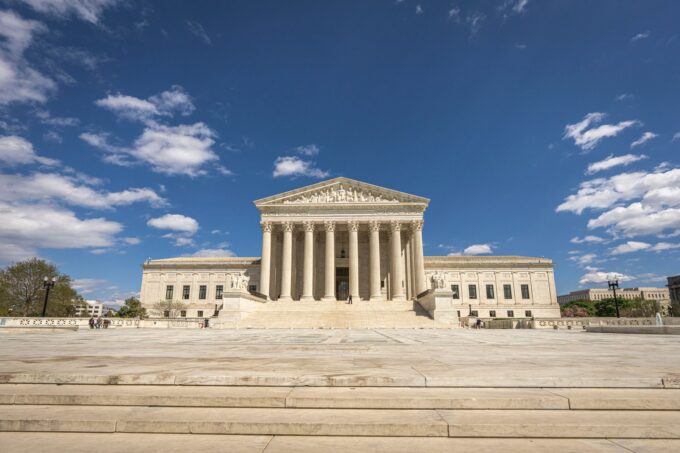
Supreme Court Rejects Trump’s Appeal on E. Jean Carroll Payment
The Supreme Court's decision to reject Trump's appeal underscores ongoing legal battles...
1 Mins read
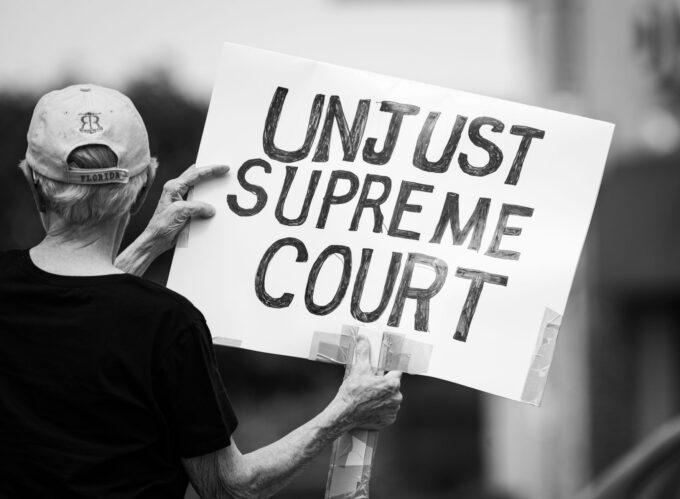
Supreme Court Rejects Trump’s Appeal on $5 Million E. Jean Carroll Verdict
The Supreme Court's refusal to overturn the Carroll verdict underscores ongoing legal...
1 Mins read
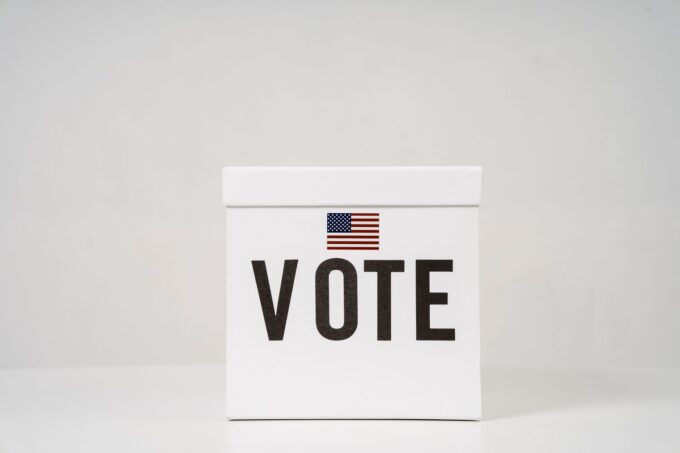


GOP Appeals Election Measure Ballot Description to Arizona Supreme Court
This case could redefine ballot measures and voter engagement in Arizona, impacting...
1 Mins read
