
Spacecraft Enters Mercury Orbit for First Time in Over a Decade
MIAMI — November 22, 2026
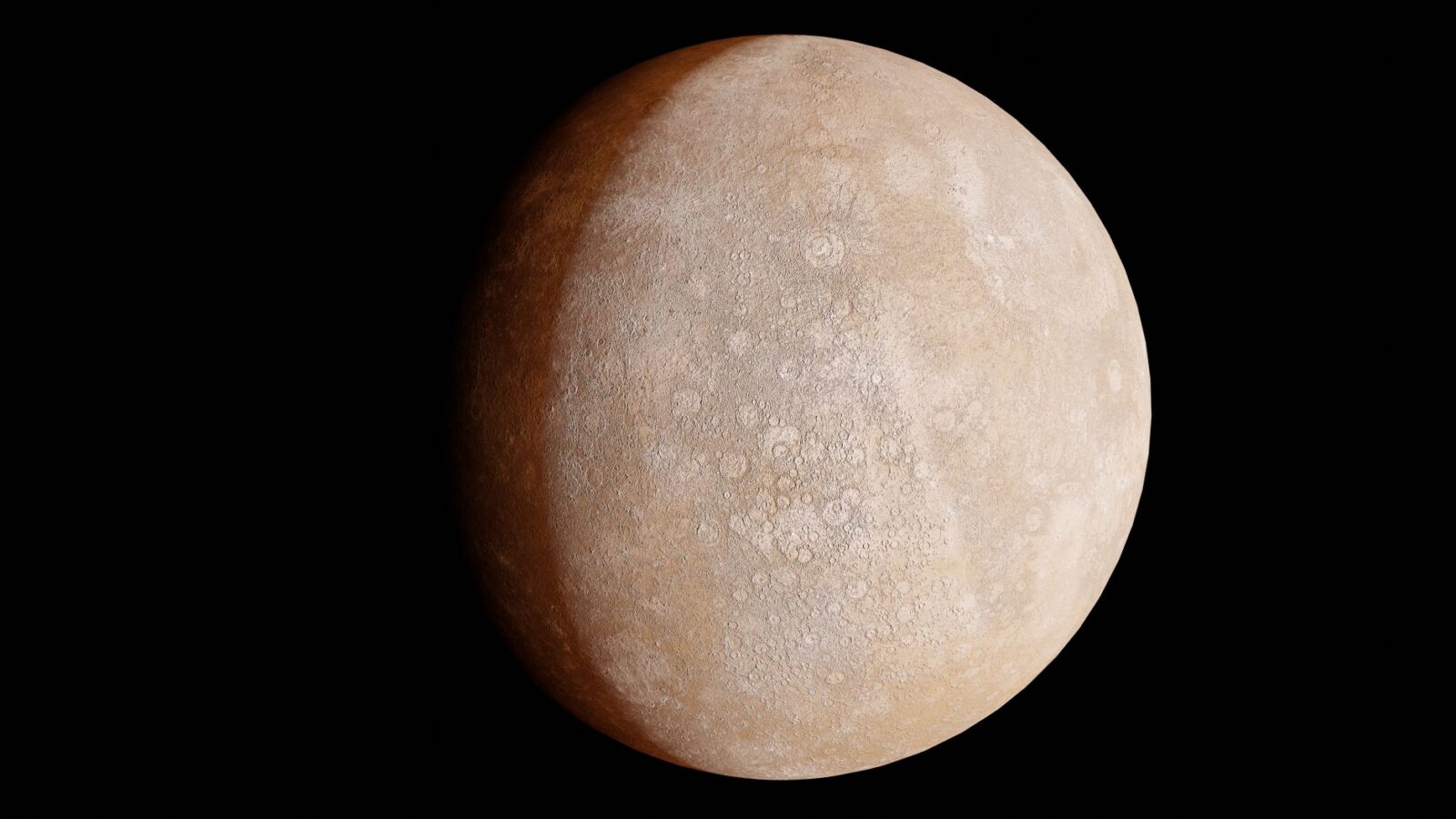
In a landmark achievement for space exploration, a NASA spacecraft has successfully entered orbit around Mercury for the first time in over a decade. This significant event occurred at 20:18 UTC on November 22, 2026, and marks a pivotal moment in our understanding of the solar system’s innermost planet.
The spacecraft, part of NASA’s ongoing efforts to study Mercury, has been meticulously designed to gather data that could reshape our understanding of the planet’s geology, magnetic field, and potential for past volcanic activity. This mission, which has been in the planning stages for years, underscores the agency’s commitment to advancing our knowledge of planetary science.
The last time a spacecraft successfully orbited Mercury was in 2015, when the MESSENGER mission concluded its operations. Since then, the scientific community has eagerly anticipated a return to this enigmatic planet, which is often overshadowed by its larger neighbors. The recent entry into orbit is a testament to the advancements in technology and engineering that have occurred in the intervening years.
The mission was triggered by a series of complex maneuvers, including gravitational assists from Venus and Earth, which were necessary to slow the spacecraft sufficiently for orbital insertion. The successful execution of these maneuvers reflects the high level of precision required in space missions, particularly those involving Mercury, where the sun’s gravitational pull presents unique challenges.
NASA’s Jet Propulsion Laboratory (JPL) is directly involved in the mission, with a team of scientists and engineers working tirelessly to ensure the spacecraft’s success. The data collected during this mission is expected to provide insights into Mercury’s composition and its history, which could have broader implications for our understanding of terrestrial planet formation.
This development is receiving heightened attention due to the rarity of missions to Mercury and the scientific community’s interest in the planet’s unique characteristics. As the first successful entry into Mercury’s orbit in over a decade, it represents not only a technological triumph but also a renewed commitment to exploring the less-studied regions of our solar system.
Locally, this achievement resonates with Miami’s vibrant aerospace community, which has been a hub for innovation and research in space technology. Nationally, it reinforces the United States’ leadership in space exploration amidst increasing competition from international space agencies.
Looking ahead, the mission will continue to unfold as the spacecraft begins its scientific operations. Over the coming months, it will transmit data back to Earth, allowing scientists to analyze and interpret the findings. This could lead to new discoveries about Mercury and its role in the solar system, potentially influencing future missions to other celestial bodies.
Source: The Washington Post








Meta to Build Largest Data Center in Louisiana, Transforming Local Landscape
Meta's decision to construct its largest data center in Louisiana marks a...
 1 Mins read

Meta Executive Warns of Imminent Arrival of Artificial Superintelligence
A top executive at Meta has issued a stark warning about the...
2 Mins read

US Intelligence Chief Warns of Increased Tech Outages Amid Delta’s Atlanta Failure
The US intelligence chief's warning highlights potential vulnerabilities in national infrastructure following...
2 Mins read


U.S. Probes Megaspeed and Alice Huang in Nvidia Chip Case
The U.S. government is investigating Megaspeed and Alice Huang as part of...
1 Mins read

Leave a comment