

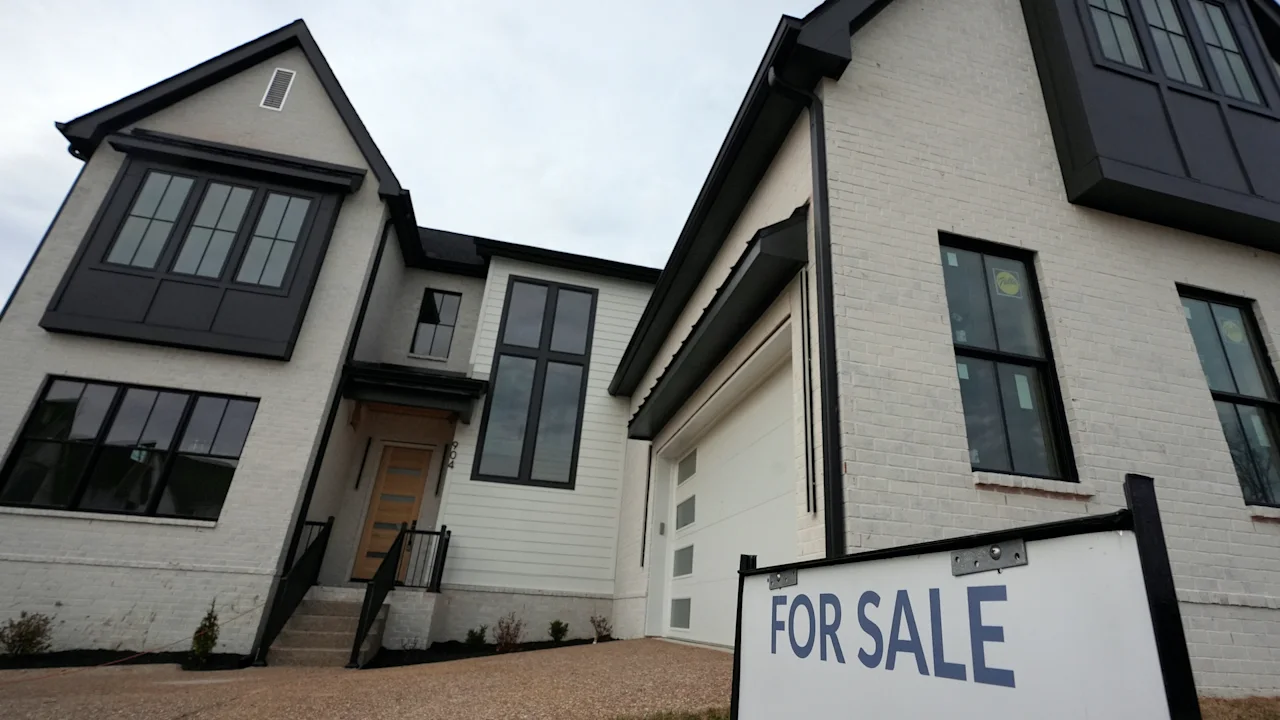
The Current Landscape of U.S. Home Sales
In what is typically the most vibrant season for real estate transactions, the U.S. housing market finds itself in a state of stagnation. Recent figures from the National Association of Realtors (NAR) reveal that sales of previously owned homes have barely moved, edging up a mere 0.2% in April compared to March, reaching an annualized rate of 4.02 million units. This comes in stark contrast to the expected figure of around 4.12 million, highlighting a deeper malaise in the market.
Home Prices Reach Unprecedented Heights
Despite the flatline in sales, home prices continue to defy gravity, climbing to an all-time high of $417,700 for the U.S. median sales price in April. This marks a 0.9% increase from the previous year, sustaining a remarkable 34-month streak of annual price increases. However, this should not overshadow the fact that affordability remains a significant barrier for many prospective buyers, particularly in high-demand regions like Miami.
Factors Contributing to Market Stagnation
- Rising Mortgage Rates: The persistence of elevated mortgage rates since the pandemic has dramatically changed the buying landscape. The average rate for a 30-year mortgage hovered between 5.98% and 6.38% in recent months, discouraging potential buyers.
- Inventory Challenges: The current supply of homes remains critically low, with 1.47 million unsold properties available at the end of April—still short of the pre-pandemic levels of approximately 2 million homes.
- Time on Market: Homes are taking longer to sell, now averaging 32 days on the market, a slight improvement from March but a noticeable increase from 29 days a year ago.
Implications for Miami’s Real Estate Market
In Miami, where luxury real estate often serves as a bellwether for broader market trends, these national developments hold significant implications. The city has seen an influx of buyers looking for both investment properties and primary residences, yet the same issues of affordability and inventory shortage plague the local market. The luxury segment, in particular, is feeling the pressure as potential buyers weigh the rising costs against their financial capabilities.
The Broader Economic Context
As the U.S. grapples with inflationary pressures exacerbated by geopolitical tensions, rising energy prices have further complicated the economic landscape. This has led to heightened anxiety around purchasing power and future financial commitments. For Miami buyers, the decision to enter the housing market is not merely a matter of desire but of financial prudence.
A Glimpse into the Future
Looking ahead, industry experts, including NAR’s chief economist Lawrence Yun, suggest that without a substantial increase in inventory—ideally around 30%—the market is unlikely to rebound in the near future. The continuous rise in prices, coupled with stagnant sales, suggests a market in need of recalibration. For those considering entering the Miami market, it may be wise to remain vigilant and patient, as the evolving landscape could yield opportunities for savvy buyers.
Editorial note: This article was created by A Bit Lavish Miami’s Magazine as an original editorial reinterpretation based on publicly available reporting. Original source: fastcompany.com. Read the original article here: https://www.fastcompany.com/91540317/housing-home-sales-real-estate-home-prices-3.
Images are used for editorial reference with source credit. If an image requires correction or removal, please contact A Bit Lavish.










Navigating the New Frontier: Leadership in the Age of Agentic AI
Explore how leaders can reclaim agency in a world increasingly driven by...
 3 Mins read

From Layoffs to Rehires: The Unfolding Narrative of AI in the Workforce
Explore how the AI narrative is reshaping employment strategies, revealing the importance...
2 Mins read

Limited-Time Kamaʻāina Discounts Announced at Hyatt Buffet
Hyatt's discount initiative highlights the importance of local tourism recovery amidst ongoing...
1 Mins read



Freddy Krueger Returns to Pop Culture Spotlight Amidst Global Nostalgia
The resurgence of Freddy Krueger reflects a significant cultural moment, highlighting evolving...
1 Mins read
