
Unearthing History: A Trove of 19th-Century European Firearms in Mexico’s Síis Já Cenote
 ABLUpdated 2 months Ago3 Mins read53

Echoes of the Past Beneath the Surface
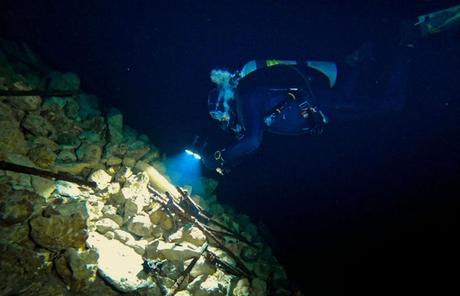
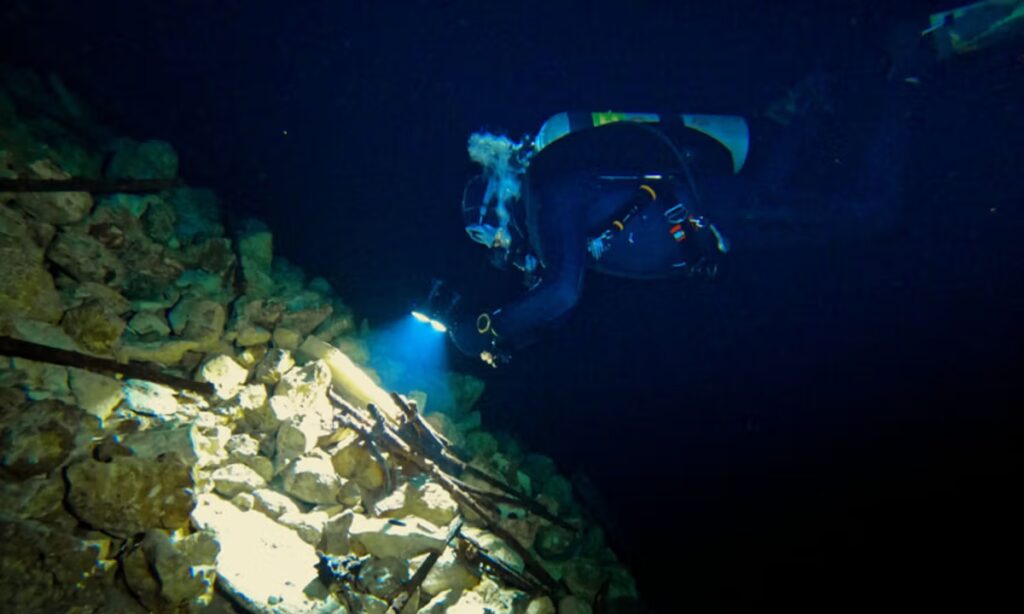
In a remarkable archaeological find, more than 150 firearms, alongside an iron cannon, have been unearthed from the depths of the Síis Já cenote in Yucatán, Mexico. This discovery not only captivates historians and collectors alike but also serves as a profound reminder of the intricate web of cultural exchanges that defined the 19th century.
A Window into Cross-Cultural Connections
The cenote, a natural sinkhole revered in ancient Mesoamerican cultures, has now become a portal into a bygone era marked by colonization and conflict. These weapons, primarily European in origin, evoke questions about their journey to this remote location. Why were such items deposited in a cenote, a site traditionally associated with ritual and reverence?
As archaeologists delve deeper into the provenance of these artifacts, it becomes evident that they reflect the historical tensions and alliances forged between indigenous populations and European powers. In this context, the firearms serve not just as instruments of war, but as symbols of the complex relationships that shaped the region.
The Allure of Rarity and Market Significance
For collectors and investors, the significance of these 19th-century firearms extends beyond their historical context. The rarity of such artifacts, particularly in pristine condition, enhances their allure in the market. As demand for unique pieces of history continues to rise, items like these become increasingly sought after, not only for their aesthetic appeal but also for their potential investment value.
- Historical Significance: Each firearm tells a story, adding depth to the provenance that collectors cherish.
- Market Dynamics: The intersection of rarity and demand influences pricing, making these pieces attractive investments.
- Cultural Heritage: Ownership of such artifacts connects collectors to a rich narrative of history and identity.
Preserving the Legacy
As the story of these firearms unfolds, the importance of preservation comes to the forefront. The careful excavation and documentation of these artifacts not only safeguard their physical integrity but also ensure that their narratives are not lost to time. Museums and private collectors alike are increasingly aware of their role in stewarding such treasures, balancing the desire for ownership with the responsibility of conservation.
A Collector’s Psychology: The Seduction of the Past
The allure of acquiring historical artifacts is often intertwined with a collector’s psychological motivations. Owning a piece of history can evoke a profound sense of connection to the past, offering insights into the lives and struggles of those who came before us. This psychological drive fuels the market for unique and rare items, creating a dynamic landscape for both seasoned collectors and new enthusiasts.
In the context of the Síis Já cenote discovery, collectors may find themselves drawn to the narratives encapsulated within each firearm. The prospect of owning an object that connects them to a pivotal moment in history provides not only personal satisfaction but also a chance to contribute to the broader dialogue surrounding cultural heritage and identity.
Miami’s Role in the Global Market
As a vibrant hub for art and culture, Miami stands at the crossroads of historical significance and modern collecting trends. The city’s affluent collectors and institutions are increasingly focusing on diversifying their collections to include pieces with rich narratives, such as those emerging from archaeological discoveries like the Síis Já cenote’s cache.
This intersection of local culture and global market dynamics positions Miami as a key player in the appreciation and acquisition of historical artifacts. As collectors from around the world flock to the city, the dialogue surrounding provenance and historical context becomes ever more vital, enriching the cultural fabric of Miami’s art scene.
In conclusion, the discovery of over 150 19th-century European firearms in the Síis Já cenote not only sheds light on the complex history of cultural interactions but also elevates the conversation around collecting, preservation, and the market’s evolving landscape. As we continue to explore these narratives, we are reminded of the enduring power of objects to connect us to our shared history.
Editorial note: This article was created by A Bit Lavish Miami’s Magazine as an original editorial reinterpretation based on publicly available reporting. Original source: theartnewspaper.com. Read the original article here: https://www.theartnewspaper.com/2026/05/11/mexican-cenote-19th-century-european-weapons-underwater-archaeology.
Images are used for editorial reference with source credit. If an image requires correction or removal, please contact A Bit Lavish.










Elevated Perspectives: The Resplendent Revival of Manhattan’s Municipal Building
Explore the remarkable restoration of the Municipal Building's observation deck, a testament...
 2 Mins read

A Prehistoric Masterpiece: The Record-Breaking Sale of Gus the T-Rex
Gus the T-Rex shatters auction records, highlighting the intersection of art, culture,...
2 Mins read
Unearthing History: The Vibrant Murals of Ancient Thebes
A recent archaeological discovery in Luxor unveils a richly adorned grave, offering...
2 Mins read



A Legacy Sculpted in Time: The Impact of Rauschenberg’s Gift to the Arts
Explore the significance of Robert Rauschenberg's donation of three pivotal sculptures to...
2 Mins read
