
State of Local Emergency Declared for Dengue Fever in Pinellas County
ST. PETERSBURG — September 25, 2026
In a critical public health response, officials in Pinellas County, Florida, have declared a State of Local Emergency due to an outbreak of dengue fever. This declaration, made on September 25, 2026, underscores the urgency of addressing the rising health threat posed by this mosquito-borne illness.
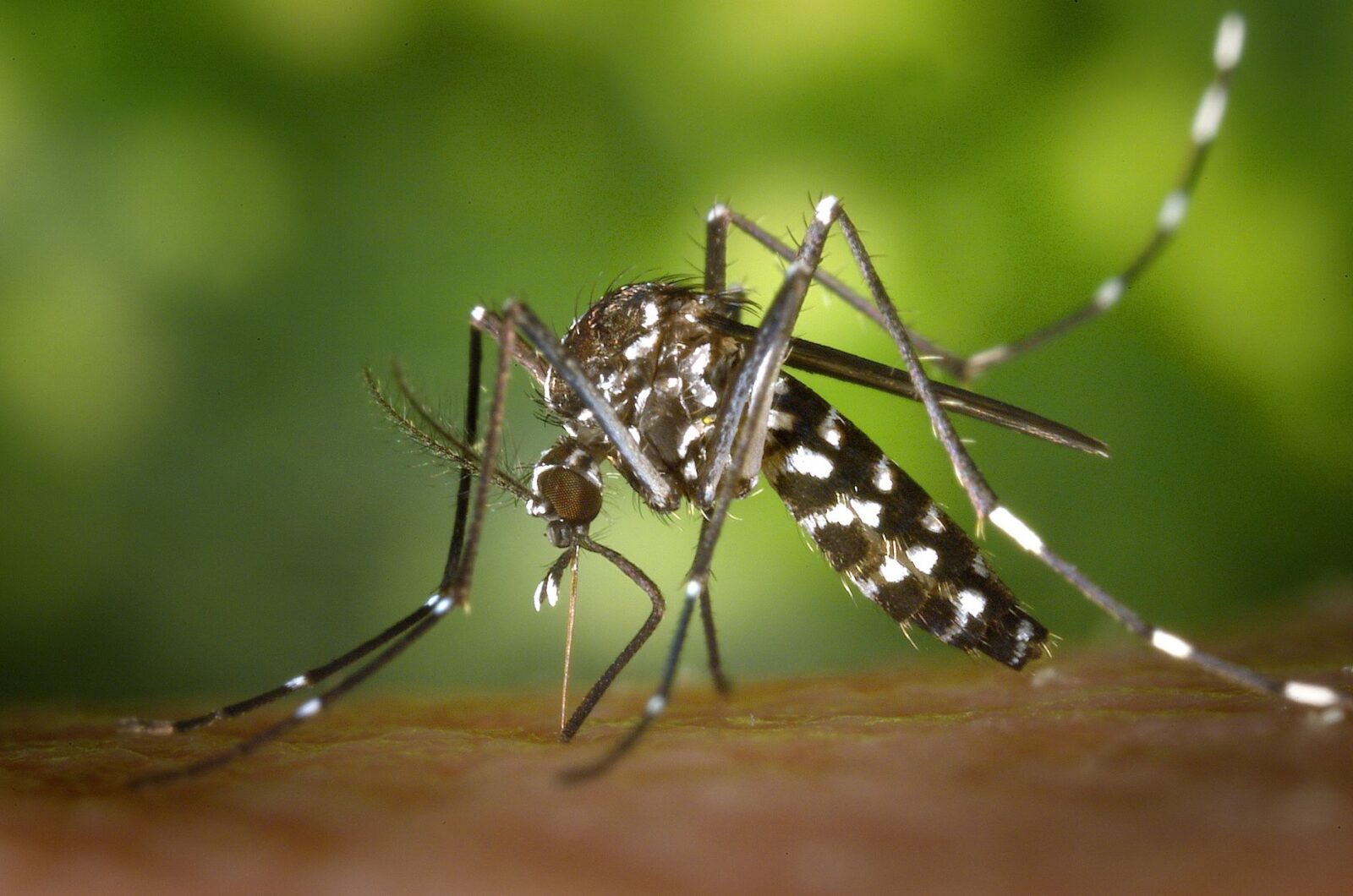
The decision to declare the emergency was prompted by an increase in reported dengue fever cases within the county, which has raised alarms among health officials and the community. Dengue fever, transmitted primarily by the Aedes aegypti mosquito, can lead to severe flu-like symptoms and, in some cases, can progress to more serious conditions such as dengue hemorrhagic fever.
Local health authorities, including the Pinellas County Health Department, are directly involved in managing the outbreak. They are working in conjunction with state health officials to implement measures aimed at controlling mosquito populations and educating the public on prevention strategies. This includes advising residents to eliminate standing water where mosquitoes breed and to use insect repellent.
The declaration of a State of Local Emergency allows for the mobilization of additional resources and personnel to combat the outbreak. It also enables local officials to expedite the implementation of public health measures, including increased mosquito control efforts and public awareness campaigns. The financial implications of this emergency response are significant, as local and state resources will be allocated to address the health crisis.
This development is receiving heightened attention now due to the potential for dengue fever to spread rapidly in warm climates like Florida, particularly during the rainy season when mosquito populations are at their peak. The public’s awareness and concern are further amplified by the ongoing challenges posed by other mosquito-borne diseases, such as Zika and West Nile virus, which have previously affected the region.
Locally, this outbreak poses a direct threat to public health and safety, potentially impacting tourism and local businesses if the situation escalates. Nationally, it raises concerns about the effectiveness of mosquito control measures and public health preparedness in the face of emerging infectious diseases. Regionally, it highlights the interconnectedness of public health challenges across states, especially in areas with similar climates and ecosystems.
Looking ahead, health officials will likely continue to monitor the situation closely, with the potential for further public health advisories or additional emergency measures if the outbreak worsens. Community engagement and compliance with health recommendations will be crucial in mitigating the spread of dengue fever in Pinellas County.
Source: St Pete Catalyst




Pennsylvania Approaches 1,000 Measles Cases Amid Public Health Concerns
The rise in measles cases in Pennsylvania has reached alarming levels, nearing...
 2 Mins read
Debris Field Discovered in Search for Missing Medical Flight from Bermuda
The discovery of a debris field marks a significant development in the...
1 Mins read
Australia Investigates FlyDubai Co-Pilot for Potential Terrorism Links
The investigation into a FlyDubai co-pilot's alleged connections to terrorism raises significant...
2 Mins read
Coast Guard Intensifies Search for Missing Medical Transport Jet
The U.S. Coast Guard is actively searching for a missing medical transport...
2 Mins read
Leave a comment