
Supreme Court Expands Trump’s Immigration Authority, Experts Warn of Population Decline
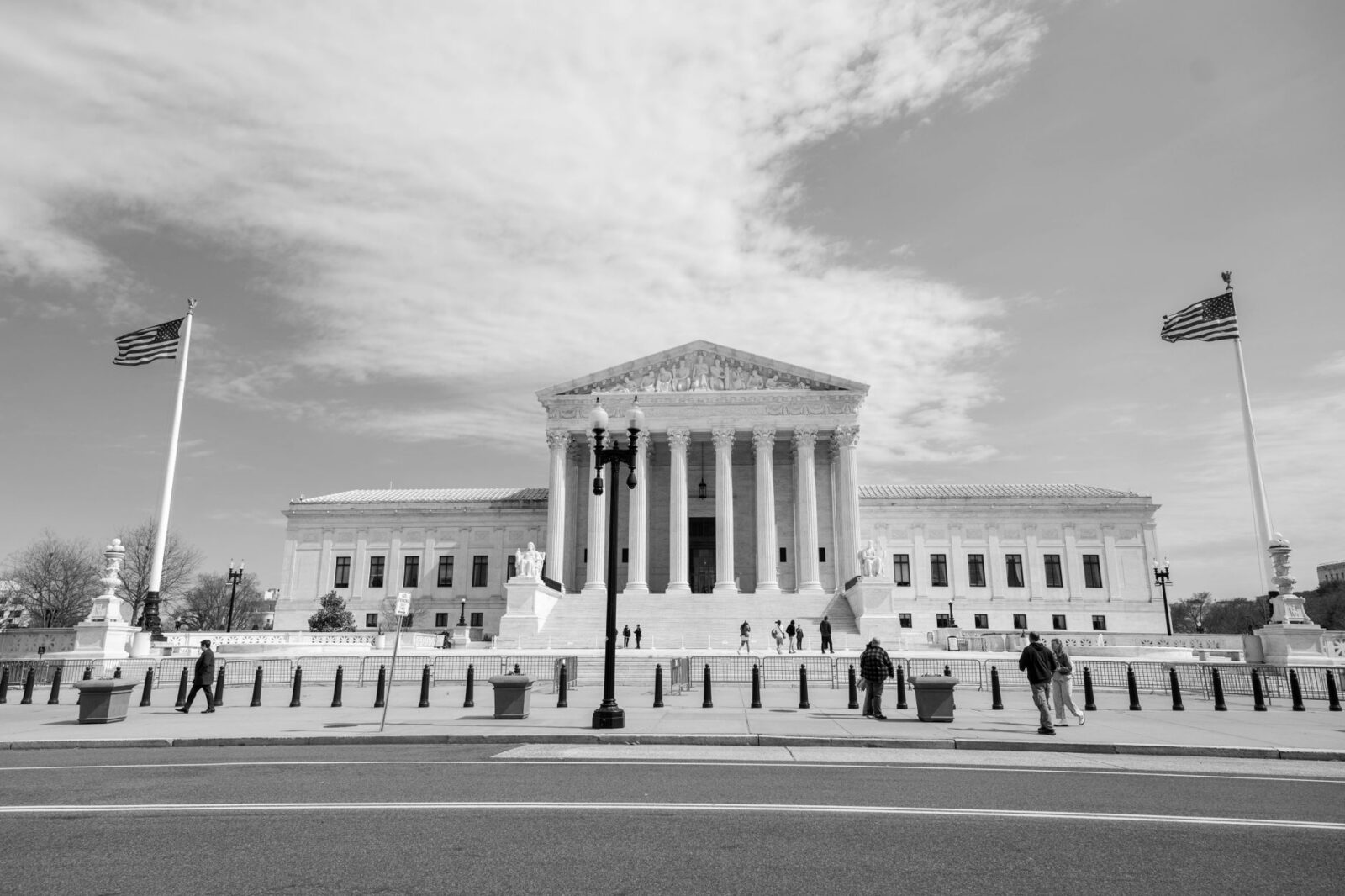
On June 27, 2026, the U.S. Supreme Court issued a ruling that significantly enhances the immigration powers previously established during Donald Trump’s presidency. This decision allows for broader executive discretion in immigration enforcement, which could lead to more stringent measures against undocumented immigrants and a potential increase in deportations. The ruling has sparked immediate reactions from various stakeholders, including legal experts, human rights advocates, and economic analysts, who are voicing concerns about its implications.
Legal experts argue that this expansion of executive power undermines established norms regarding immigration policy and could set a precedent for future administrations to enact similarly restrictive measures. The ruling is particularly significant as it aligns with a broader trend of tightening immigration controls across various nations, reflecting rising nationalist sentiments. The decision is likely to influence ongoing debates about immigration reform in Congress, where bipartisan efforts have struggled to gain traction.
Economically, the implications of this ruling could be profound. Experts predict that a steeper decline in the U.S. population, exacerbated by reduced immigration, may lead to labor shortages in critical sectors such as agriculture, technology, and healthcare. With an aging population and declining birth rates, the U.S. economy relies on immigrant labor to sustain its growth. A decrease in immigration could hinder economic recovery efforts following the pandemic, impacting global supply chains and labor markets.
Looking ahead, the ramifications of this ruling will likely unfold in the coming months as states and local governments respond to the increased enforcement capabilities. Legal challenges may arise, and advocacy groups are expected to mobilize against what they perceive as an overreach of executive authority. The global community will be closely monitoring these developments, as they could reshape not only U.S. immigration policy but also international perceptions of American values regarding human rights and economic inclusivity.
Source: KUOW










Fox News Commentator Guy Benson Announces Birth of Daughter
The birth of Guy Benson's daughter highlights the personal milestones of public...
 1 Mins read

South Carolina Congressmen Declare Senate Candidacies as Darline Graham Joins Race
The emergence of new Senate contenders in South Carolina signals shifting political...
1 Mins read

FBI Director Kash Patel Undertakes Significant Diplomatic Mission to Russia
Kash Patel's visit to Russia underscores critical U.S.-Russia relations amidst ongoing geopolitical...
1 Mins read



FBI Director Kash Patel Undertakes Sensitive Diplomatic Mission to Russia
This unprecedented trip underscores the complexities of U.S.-Russia relations amid heightened global...
1 Mins read
