
Supreme Court Rules Against Retrospective Environmental Clearances in India
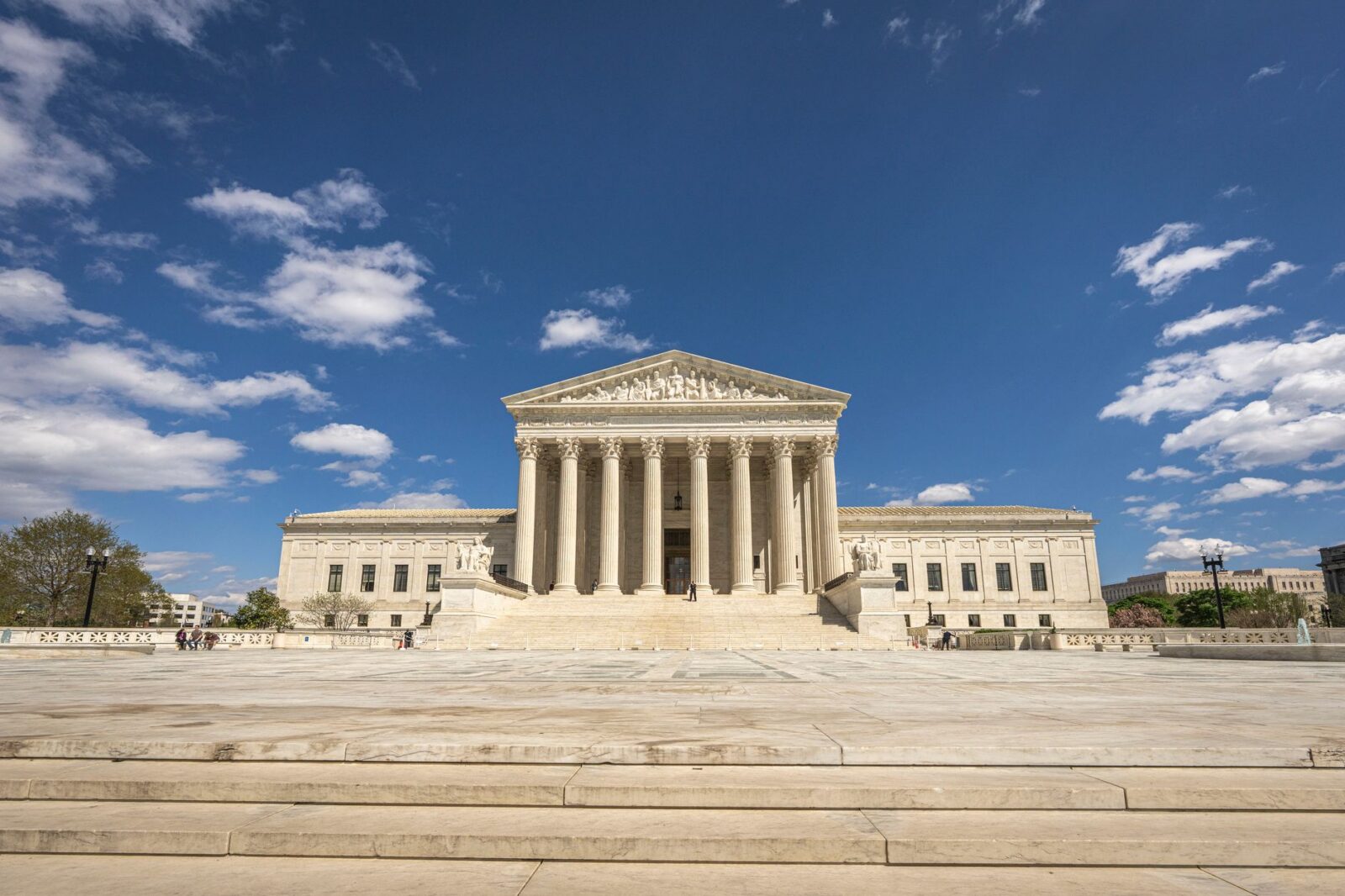
In a significant ruling on August 9, 2026, the Supreme Court of India determined that the central government cannot grant retrospective environmental clearances through an office memorandum. This decision comes as part of a broader effort to uphold environmental regulations and ensure accountability in governance.
The case arose from numerous petitions challenging the legality of retrospective clearances that were issued without proper scrutiny. The Supreme Court’s bench, led by Chief Justice D.Y. Chandrachud, emphasized that such clearances undermine the integrity of environmental laws aimed at protecting India’s diverse ecosystems.
This ruling is particularly relevant now as India grapples with increasing environmental concerns amid rapid industrialization and urbanization. The decision reinforces the principle that environmental assessments must be conducted transparently and prior to project approvals, rather than retroactively, to safeguard public health and ecological balance.
Looking ahead, this landmark decision is likely to lead to stricter enforcement of environmental regulations and may prompt the government to reassess existing projects that lack proper clearance. Stakeholders, including environmental activists and industry leaders, will be closely monitoring the implications of this ruling on future development initiatives and regulatory frameworks.
Source: LawStreet Journal









Malmesbury Teen Faces 11 Charges in FBI-SAPS Child Pornography Investigation
The case highlights growing concerns over child exploitation and the international collaboration...
 1 Mins read

Tinubu’s Legal Team Moves to Block Release of Drug Trafficking Records in U.S. Court
The ongoing legal battle surrounding Nigerian President Tinubu's alleged drug trafficking ties...
1 Mins read

Oluwasegun Baiyewu Sentenced to 95 Months for $3.1 Million Fraud
Baiyewu's sentencing highlights ongoing global efforts to combat financial crimes and fraud.
1 Mins read



South Africa Submits ICJ Dossier on International Law Violations
South Africa's recent submission to the ICJ underscores its commitment to global...
1 Mins read
