
Taylor Swift’s Music Disappears from White House and Trump Campaign Platforms

In a surprising development on August 9, 2026, the White House and the campaign for former President Donald Trump have officially removed Taylor Swift’s songs from their respective digital platforms. This decision has sparked widespread discussion about the intersection of politics and music, particularly given Swift’s vocal opposition to Trump during his presidency.
The action was prompted by a recent backlash from Swift’s fanbase and advocacy groups, who took to social media to express their disapproval of the former president’s use of her music without her consent. Swift, an influential figure in the music industry, has previously criticized Trump’s policies, especially regarding issues such as LGBTQ+ rights and environmental concerns, making her songs an unlikely choice for his campaign.
This incident holds significant implications as it underscores the ongoing debates about artistic ownership and the use of music in political contexts. It reveals the complexities of how artists navigate their public personas in relation to political figures, especially in a polarized climate. The removal of Swift’s songs also reflects a broader trend of artists reclaiming their work from political entities that do not align with their values.
Looking ahead, this situation may prompt further discussions about copyright issues and the ethical considerations of using music in political campaigns. It is likely that Swift’s representatives will issue a formal statement, and the incident could lead to renewed scrutiny on how political campaigns select music for their messaging. As the 2026 election cycle heats up, the relationship between artists and political figures will be an essential topic for both the music industry and the public at large.
Source: The Business Standard







Malmesbury Teen Faces 11 Charges in FBI-SAPS Child Pornography Investigation
The case highlights growing concerns over child exploitation and the international collaboration...
 1 Mins read
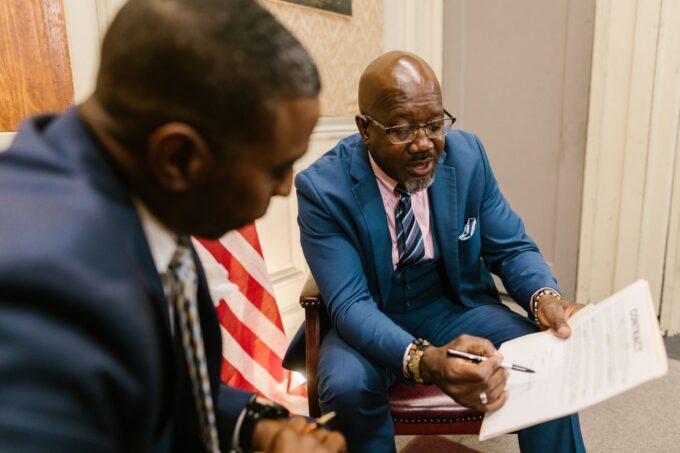
Tinubu’s Legal Team Moves to Block Release of Drug Trafficking Records in U.S. Court
The ongoing legal battle surrounding Nigerian President Tinubu's alleged drug trafficking ties...
1 Mins read
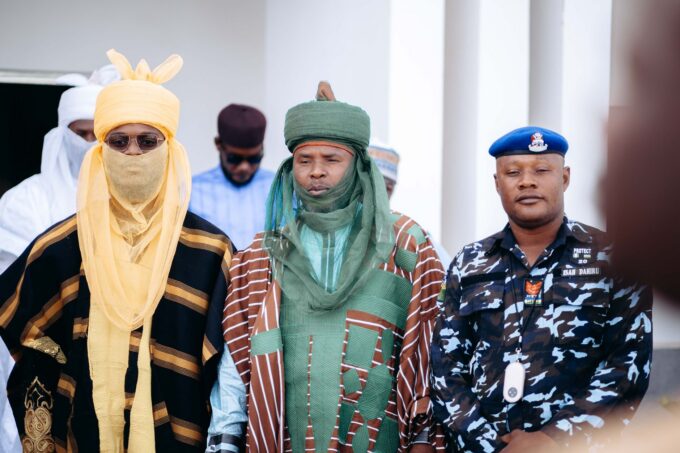
Oluwasegun Baiyewu Sentenced to 95 Months for $3.1 Million Fraud
Baiyewu's sentencing highlights ongoing global efforts to combat financial crimes and fraud.
1 Mins read


South Africa Submits ICJ Dossier on International Law Violations
South Africa's recent submission to the ICJ underscores its commitment to global...
1 Mins read
