
Tesla’s Cybercab: A Vision of Innovation or a Missed Opportunity?
Reimagining Urban Mobility
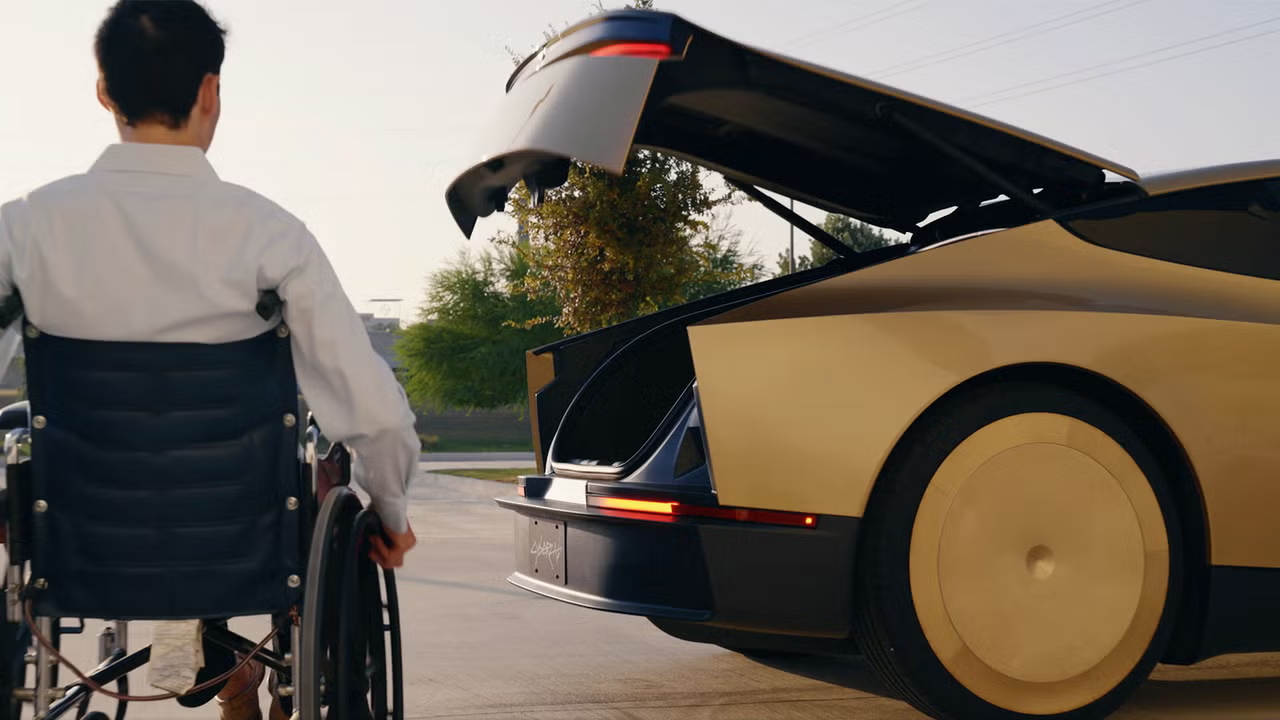
Tesla has once again captured the public’s imagination with its latest innovation: the Cybercab, a sleek, futuristic addition to its fleet of driverless taxis. Promising an elevated experience for every rider, this vehicle boasts butterfly doors and interactive touchscreens, all while operating without a steering wheel. But as the Cybercab begins its debut in Austin, Texas, a viral ad has sparked conversations about the accessibility of this cutting-edge transport solution.
The Promise of Inclusivity
In its promotional video, Tesla showcases riders using mobility aids, suggesting that the Cybercab is designed for all users. The ad features a wheelchair user and another passenger on crutches, both interacting with the vehicle’s spacious features. However, the portrayal raises critical questions regarding the practicalities of accessibility. How does a solo rider, relying on a mobility aid, transition from the trunk to the vehicle without assistance?
A Viral Backlash
The reaction on social media was swift and pointed. Viewers were quick to highlight the glaring oversight in the ad’s narrative, with many sarcastically questioning the feasibility of the scenarios presented. Comments such as “Just pick up your wheelchair and place it in the trunk, and walk over to the door” illustrate the disconnect between the advertisement’s intent and the real needs of those with disabilities.
The Reality Behind the Innovation
Despite the viral criticism, it is essential to acknowledge that the Cybercab does incorporate some features aimed at accessibility. Tesla’s FAQ highlights features like audio and visual supplements, bench-style seating at wheelchair height, and designated trunk space for mobility aids. Moreover, the presence of braille labels within the vehicle aims to provide a more inclusive environment.
Where Does Tesla Stand?
However, the ad’s portrayal of access fails to fully encompass the realities faced by solo riders who use wheelchairs. While Tesla acknowledges the need for more comprehensive accessibility solutions, stating that it is developing options tailored for the Robotaxi fleet, the current offering raises concerns about inclusivity in a tech-forward society. The company has yet to address how solo wheelchair users will navigate the Cybercab experience effectively.
The Path Forward
The conversation surrounding the Cybercab is a crucial reminder of the importance of inclusive design in emerging technologies. As cities like Miami embrace transportation innovations, the necessity for accessibility cannot be an afterthought. Businesses that lead with empathy and foresight will not only enhance their brand image but also ensure that their products cater to the diverse needs of all passengers.
As Tesla continues to develop its autonomous vehicle technology, it faces the challenge of aligning its vision with the practical realities of all users. The Cybercab is a step into the future, but it must also pave the way for a truly inclusive transportation landscape. Miami, with its vibrant and diverse population, stands as a testament to the need for such advancements, where every resident can participate in the urban mobility of tomorrow.
Editorial note: This article was created by A Bit Lavish Miami’s Magazine as an original editorial reinterpretation based on publicly available reporting. Original source: fastcompany.com. Read the original article here: https://www.fastcompany.com/91602556/tesla-viral-ad-for-new-cybercab-robotaxi-has-one-glaring-problem.
Images are used for editorial reference with source credit. If an image requires correction or removal, please contact A Bit Lavish.







G7 Nations Agree to Release 100 Million Barrels of Oil and Diesel Fuel
The G7's decision to release significant oil reserves aims to stabilize global...
 2 Mins read

Trump Signals End to Iran Conflict, Causing Oil Prices to Plummet
Former President Donald Trump's recent comments regarding the Iran conflict have led...
2 Mins read

Federal Ban Threatens THC Beverage Boom
A new federal ban on THC beverages could disrupt the rapidly growing...
2 Mins read


Ken Griffin Invests $2 Billion in New University in Miami
Ken Griffin's substantial investment in a new university in Miami signals a...
2 Mins read
