
The Alchemy of Art: David Walsh’s Vision for the Museum of Old and New Art
Artistic Alchemy and Visionary Collecting
In the realm of contemporary art, few figures stand out with the same compelling mixture of ambition and intellect as David Walsh. A multi-millionaire with a passion for collecting, Walsh is on an extraordinary mission to expand his Museum of Old and New Art (MONA) in Tasmania. His vision transcends mere exhibition; it embodies a philosophical inquiry into the nature of art and its role in society. At the heart of this expansion lies a commitment to foster dialogue between art, history, and the human experience.
Architectural Aspirations
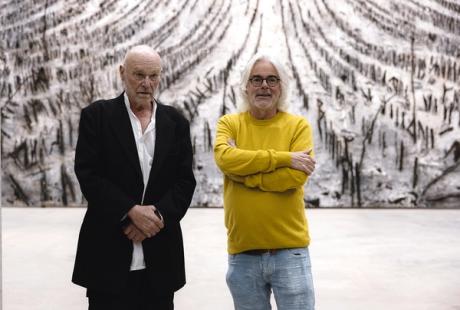
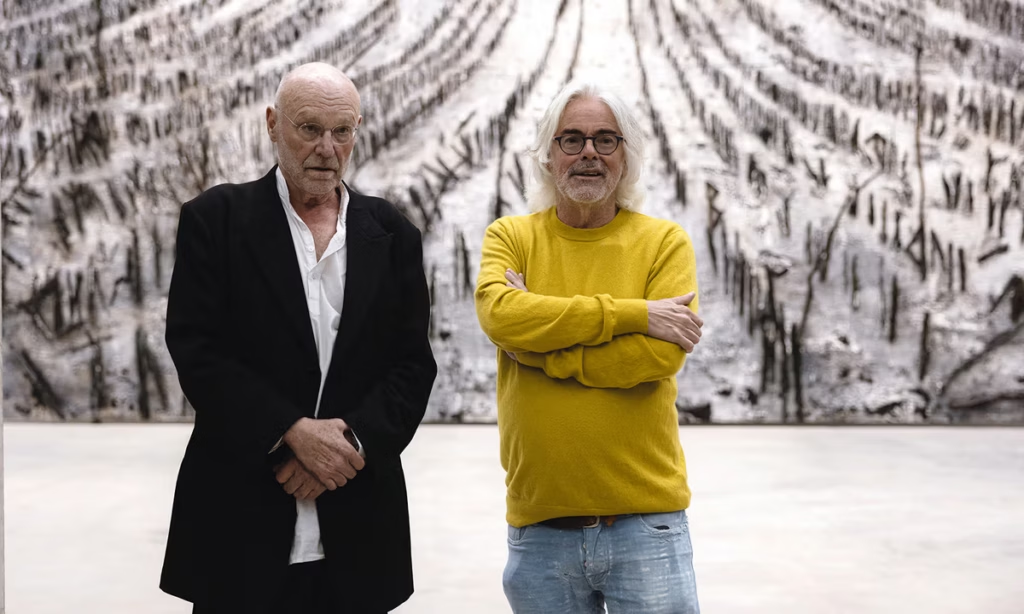
The expansion of MONA is as much about architectural innovation as it is about curatorial excellence. Walsh envisions new spaces that will host not only the museum’s growing collection but also facilitate experiential learning and engagement with art. The centerpiece of this initiative, an iconic installation by the renowned German artist Anselm Kiefer, features an inverted pyramid that challenges viewers’ perceptions of structure and space. This piece, emblematic of Walsh’s curatorial philosophy, invites contemplation on themes of decay, rebirth, and the cyclical nature of existence.
Material Conversations through Time
Walsh’s fascination with art is deeply intertwined with the materials that comprise it. He speaks of oxygen molecules that have existed for billions of years, reminding us that art is a fleeting yet enduring manifestation of humanity’s creative spirit. This perspective not only deepens the viewer’s appreciation for the artworks themselves but also encourages a broader reflection on the ephemeral nature of life and the lasting impact of artistic expression.
A New Paradigm in Library Science
<pIn a bold move that reflects his innovative spirit, Walsh has developed a unique library categorization system that aims to redefine how art and literature intersect. This system is not merely a cataloguing tool; it embodies a philosophical framework that connects disparate ideas and themes, allowing for a more nuanced understanding of art history and its influence on contemporary thought. By challenging traditional conventions, Walsh opens the door for new scholarly discourse and creative exploration.
The Collector’s Psyche
For collectors like Walsh, the act of acquiring art is often steeped in personal narrative and emotional resonance. Each piece in his collection is imbued with significance, reflecting not just aesthetic preferences but also an investment in cultural heritage. This collector psychology reveals a profound relationship with art that goes beyond ownership—it’s about stewardship, education, and legacy. As Walsh continues to expand MONA, he reinforces the idea that collecting is not merely a financial transaction, but a responsible engagement with cultural artifacts.
Miami’s Cultural Tapestry
As Miami thrives as a vibrant hub for art and culture, the influence of visionary collectors like David Walsh resonates strongly within this dynamic landscape. The city’s art scene, bolstered by events like Art Basel Miami Beach, attracts an international cadre of collectors and artists who are eager to explore the intersections of contemporary and traditional art. In this context, Walsh’s approach to the Museum of Old and New Art serves as an inspiring model for Miami’s burgeoning cultural institutions, encouraging a deeper and more meaningful engagement with art.
Editorial note: This article was created by A Bit Lavish Miami’s Magazine as an original editorial reinterpretation based on publicly available reporting. Original source: theartnewspaper.com. Read the original article here: https://www.theartnewspaper.com/2026/06/21/a-multi-millionaire-on-a-mission-david-walsh-expands-his-museum-of-old-and-new-art.
Images are used for editorial reference with source credit. If an image requires correction or removal, please contact A Bit Lavish.








Bridging Cultures: The Toledo Museum’s Pioneering Partnership with Ethiopia
Explore the Toledo Museum of Art's collaboration with the Ethiopian Heritage Authority...
 2 Mins read

The Timeless Legacy of Geles Cabrera: A Sculptor Who Redefined Human Form
Explore the profound impact of Geles Cabrera, a pioneering sculptor whose unique...
2 Mins read
Navigating Fantasy: The Allure of Rare Literary Cartography
Explore the captivating intersection of literature and cartography in an upcoming Zurich...
3 Mins read


Cuauhtémoc Medina: Curatorial Visionary Set to Elevate Guatemala’s Bienal de Arte Paiz
Explore the profound impact of Cuauhtémoc Medina's curatorial approach as he prepares...
2 Mins read
