
The Imperative Restoration of Westminster: A Cultural Dilemma
 ABLUpdated 2 months Ago2 Mins read67

A Cultural Icon in Peril
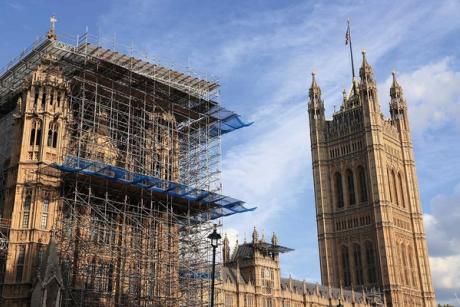
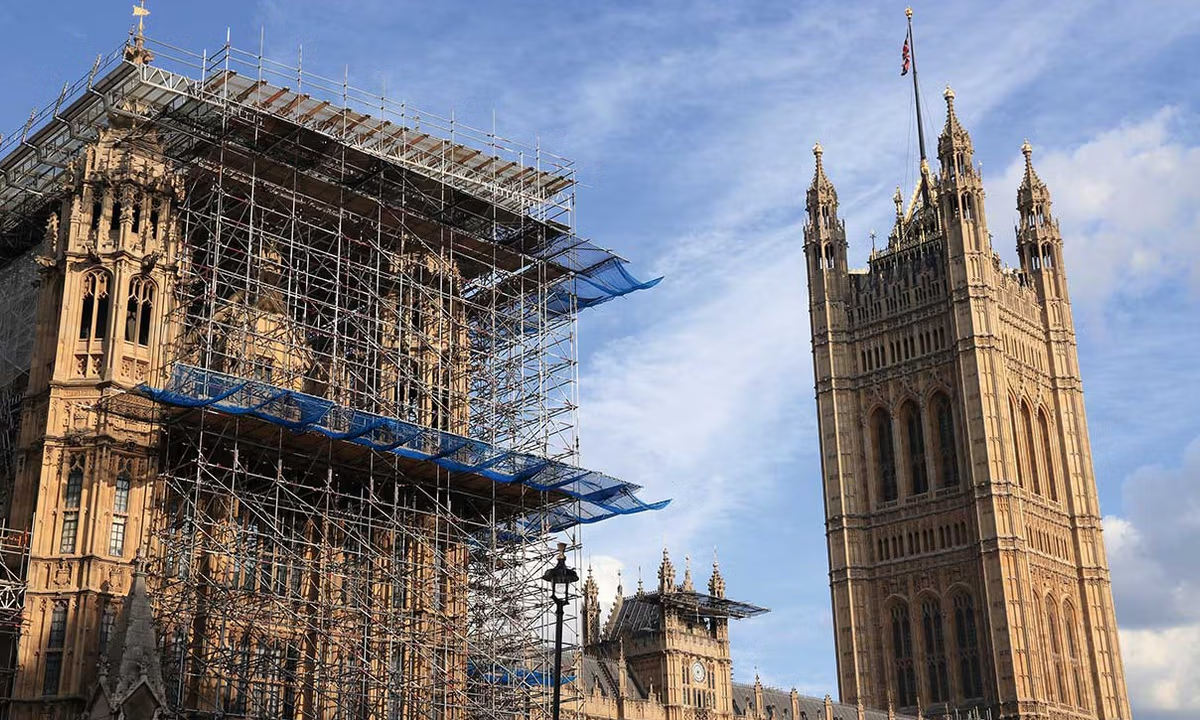
The Palace of Westminster stands as a monumental symbol of democracy and governance, its Gothic architecture a testament to centuries of political history. However, its grandeur is now overshadowed by a pressing concern: structural deterioration. After decades of insufficient maintenance, the very foundations of this iconic building are at risk, rendering it not only unsafe but also ill-suited for its critical role as the heart of the UK Parliament.
The Weight of History
Constructed in the mid-19th century, the Palace of Westminster is not merely a seat of political power; it is a repository of history and culture. Each stone tells a story, from the debates that shaped the nation to the memories embedded within its walls. Yet, the slow decay of this architectural marvel poses a significant challenge. With every crack and crumbling facade, there is a risk of losing not just a building, but a vital piece of national heritage.
Financial Considerations and Investment Outlook
As discussions surrounding restoration intensify, the financial implications weigh heavily on the shoulders of lawmakers. Estimates suggest that even the most basic restoration efforts will demand billions of pounds and could extend over decades. This creates a Hobson’s Choice for decision-makers: invest heavily in preserving a cultural landmark or face the consequences of inaction, which could lead to irreversible damage.
Balancing Act: Preservation vs. Modernization
Restoring such a significant structure is not solely about fixing physical flaws; it’s also about navigating the delicate balance between preservation and modernization. While maintaining the historical integrity of the Palace is paramount, there is also a need to equip it with modern facilities that match contemporary standards. This duality presents a profound challenge to architects and historians alike, as they strive to honor the past while accommodating the demands of the present.
The Global Context of Heritage Preservation
This dilemma is not unique to the UK; it resonates globally as cities grapple with the preservation of their own iconic structures. From Paris’s Notre-Dame to New York’s Statue of Liberty, the crux of the matter lies in understanding the value of cultural heritage. It prompts a critical inquiry into how societies prioritize the safeguarding of their historical narratives against the backdrop of modernization and urban development.
Cultural Legacy and Future Implications
The decision made regarding the Palace of Westminster will echo through generations. Should restoration efforts fall short, the consequences will extend beyond physical loss; they will encompass a cultural void that future citizens may never fully comprehend. Conversely, a successful restoration could serve as a beacon of commitment to heritage, symbolizing the importance of preserving the past while embracing the future.
Engaging the Community in Preservation Efforts
The preservation of the Palace of Westminster must extend beyond the realm of politics and finance; it necessitates community engagement and public interest. By fostering a dialogue among citizens, historians, and policymakers, the restoration project can become a shared endeavor that reflects collective values and aspirations. In this way, the Palace can be rejuvenated not just as a building, but as a living monument to democracy that resonates with the people it serves.
Editorial note: This article was created by A Bit Lavish Miami’s Magazine as an original editorial reinterpretation based on publicly available reporting. Original source: theartnewspaper.com. Read the original article here: https://www.theartnewspaper.com/2026/05/12/british-mps-face-hobsons-choice-for-restoration-of-the-crumbling-unsafe-palace-of-westminster.
Images are used for editorial reference with source credit. If an image requires correction or removal, please contact A Bit Lavish.









Elevated Perspectives: The Resplendent Revival of Manhattan’s Municipal Building
Explore the remarkable restoration of the Municipal Building's observation deck, a testament...
 2 Mins read

A Prehistoric Masterpiece: The Record-Breaking Sale of Gus the T-Rex
Gus the T-Rex shatters auction records, highlighting the intersection of art, culture,...
2 Mins read
Unearthing History: The Vibrant Murals of Ancient Thebes
A recent archaeological discovery in Luxor unveils a richly adorned grave, offering...
2 Mins read



A Legacy Sculpted in Time: The Impact of Rauschenberg’s Gift to the Arts
Explore the significance of Robert Rauschenberg's donation of three pivotal sculptures to...
2 Mins read
