
The Mecca Agreement Signals a Shift in Middle Eastern Geopolitics

On August 13, 2026, the Mecca Agreement was officially signed, marking a significant shift in Middle Eastern geopolitics and signaling the decline of U.S.-led influence in the region. This agreement, facilitated by Saudi Arabia, involves key regional players including Iran, Turkey, and various Arab nations, aiming to establish a new framework for cooperation and stability amidst ongoing tensions and conflicts.
The agreement comes in the wake of years of diminishing U.S. involvement in Middle Eastern affairs, exacerbated by the withdrawal of American troops and a pivot towards Asia in U.S. foreign policy. As a result, regional powers have sought to redefine their alliances and assert their interests independently of Washington. The Mecca Agreement is viewed as a culmination of these efforts, reflecting a collective desire among Middle Eastern nations to foster a multipolar order.
This development is particularly noteworthy as it underscores the shifting dynamics of power in the region, with implications for global energy markets and security arrangements. The U.S. has long positioned itself as a stabilizing force; however, the emergence of this agreement raises questions about the efficacy of American diplomacy and military presence in the region.
Looking ahead, the Mecca Agreement could lead to a series of diplomatic initiatives aimed at addressing longstanding conflicts, such as those in Syria and Yemen. Additionally, the agreement may shift economic partnerships and trade routes, influencing global oil prices and trade flows. Analysts will be closely monitoring how these developments unfold, particularly in relation to U.S. foreign policy and the responses from other global powers.
Source: Council on Foreign Relations







New Misconduct Complaint Filed Against Winnebago County Judge Scott Woldt
The complaint against Judge Woldt raises critical questions about judicial integrity and...
 1 Mins read

Mexico Petitions U.S. Supreme Court Over NAFTA Arbitration Award
This legal move underscores the ongoing complexities of international trade agreements and...
1 Mins read
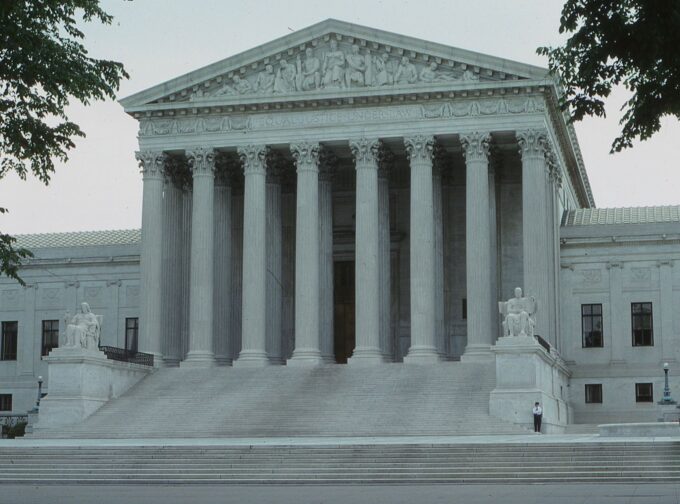
Supreme Court Schedules Hearing for Catholic Preschools in Colorado’s Universal Program Case
The Supreme Court's decision to hear this case could redefine educational funding...
1 Mins read



Farm Bill Stalls in Senate Agriculture Committee
The delay in the Farm Bill negotiations raises concerns about agricultural policy...
1 Mins read

Leave a comment