

The Rise of the Digital Persona
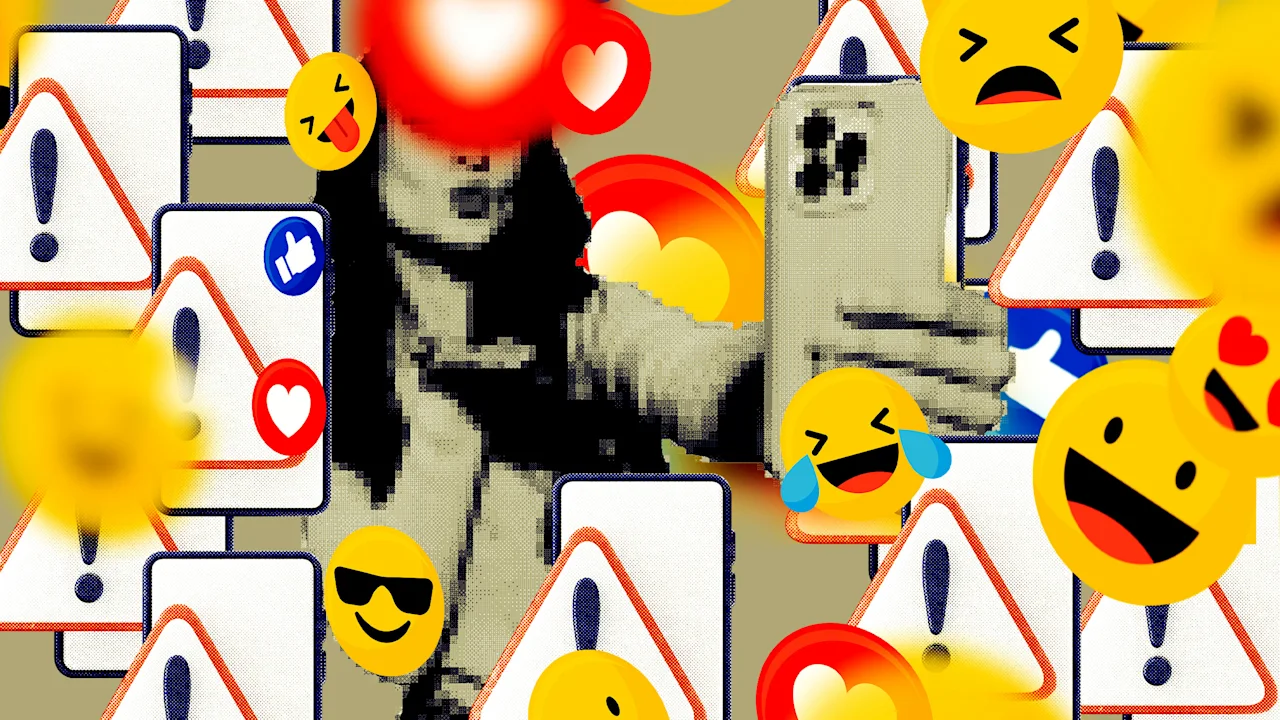
The emergence of social media has given rise to an entirely new class of digital influencers, some of whom may not even exist in the traditional sense. A recent case has highlighted this phenomenon: a viral personality known as Emily Hart, purportedly a MAGA influencer, was revealed to be a male medical student from India. With thousands of followers and content that garnered millions of views, this digital illusion raises critical questions about authenticity and deception in today’s online landscape.
AI: The Enabler of Deception
The Emily Hart saga is not an isolated incident; it signifies a larger trend propelled by advanced technology. Artificial intelligence has democratized content creation, allowing anyone with access to sophisticated tools to construct convincing online personas. This capability means that deception can occur at an unprecedented scale, making it increasingly difficult for users to discern reality from fabrication.
Social media platforms have established policies against the dissemination of synthetic content, but the enforcement of these policies remains largely ineffective. The technology to detect AI-generated media is lagging behind the sophistication of the content itself, leaving users vulnerable to manipulation.
The Promise of Content Credentials
To combat the confusion surrounding AI-generated content, a solution known as Content Credentials was proposed. This innovative framework aims to provide transparency by embedding information about how an image was created within its metadata. Ideally, as users scroll through their feeds, they would encounter icons that reveal whether an image is AI-generated.
Despite its promise, the adoption of Content Credentials across social networks has been sporadic. Reports indicate that platforms often strip this vital metadata, undermining the very transparency they purport to support. While the intent may not be malicious, the lack of consistent application raises concerns over the commitment to user protection.
The Impact of Labels on Engagement
Research suggests that the presence of clear labels on AI-manipulated media can significantly influence user engagement. Studies indicate that explicit warnings, such as ‘manipulated’ or ‘false’, are more effective than vague terminology. These findings underscore the necessity of clear communication regarding the nature of the content users are consuming.
However, the digital ecosystem thrives on engagement, and platforms are often caught in a conflict of interest. The allure of AI-generated material lies in its affordability and adaptability, seamlessly fitting into the engagement-driven model that social media companies rely on. While the aim is to minimize deceptive content, the business incentives often encourage the proliferation of synthetic media.
Shifting Responsibilities
The burden of discerning authenticity now rests heavily on the shoulders of social media users, with platforms offering minimal support. As audiences become increasingly aware of the prevalence of AI-generated content, their trust in social networks may diminish, leading to disengagement. This shift in user behavior could pose a threat to the very engagement metrics that platforms strive to uphold.
Moreover, regulatory frameworks are beginning to emerge, particularly in Europe, where the AI Act imposes transparency obligations for deepfakes and AI-generated content. Should significant penalties for inadequate labeling come into play, social media platforms may be compelled to reassess their approach.
The Future of Digital Interactions
As the digital landscape continues to evolve, the integration of AI into content creation presents both opportunities and challenges. While the technology industry has rallied around standards that prioritize provenance and transparency, the practical application remains lacking. Major players like Adobe and Google have made commitments, but the visibility of these standards to users is crucial.
If the only way to uncover the truth behind a viral influencer is through investigative journalism, then the systems designed to protect users have fundamentally failed. For Miami’s affluent communities, where digital engagement is often intertwined with lifestyle and luxury branding, the implications of these developments are particularly poignant. As consumers of content, the question remains: how can we navigate this complex web of authenticity, trust, and technology?
Editorial note: This article was created by A Bit Lavish Miami’s Magazine as an original editorial reinterpretation based on publicly available reporting. Original source: fastcompany.com. Read the original article here: https://www.fastcompany.com/91535427/ai-labels-were-supposed-help-users-spot-fakes-heres-why-theyre-failing.
Images are used for editorial reference with source credit. If an image requires correction or removal, please contact A Bit Lavish.










The Evolution of the Foldable Smartphone: A New Era of Personalization
As the foldable smartphone revolution unfolds, we analyze its implications for user...
 3 Mins read

Navigating Change: KCRW’s Blueprint for Public Media Resilience
Explore how KCRW in Los Angeles is redefining public media engagement amidst...
2 Mins read

Strategic Escapes: The Art of Vacationing as a Solopreneur
Explore the essential strategies for solopreneurs to effectively plan vacations without sacrificing...
2 Mins read



Navigating the Ethical Frontier: Claude’s Evolution in AI Agency
Exploring the implications of agentic AI through Amanda Askell's insights on Claude,...
3 Mins read
