
The Rise of Identity Theft in the Age of AI: Jason Isbell’s Landmark Lawsuit Against Suno
New Frontiers in the Creative Landscape
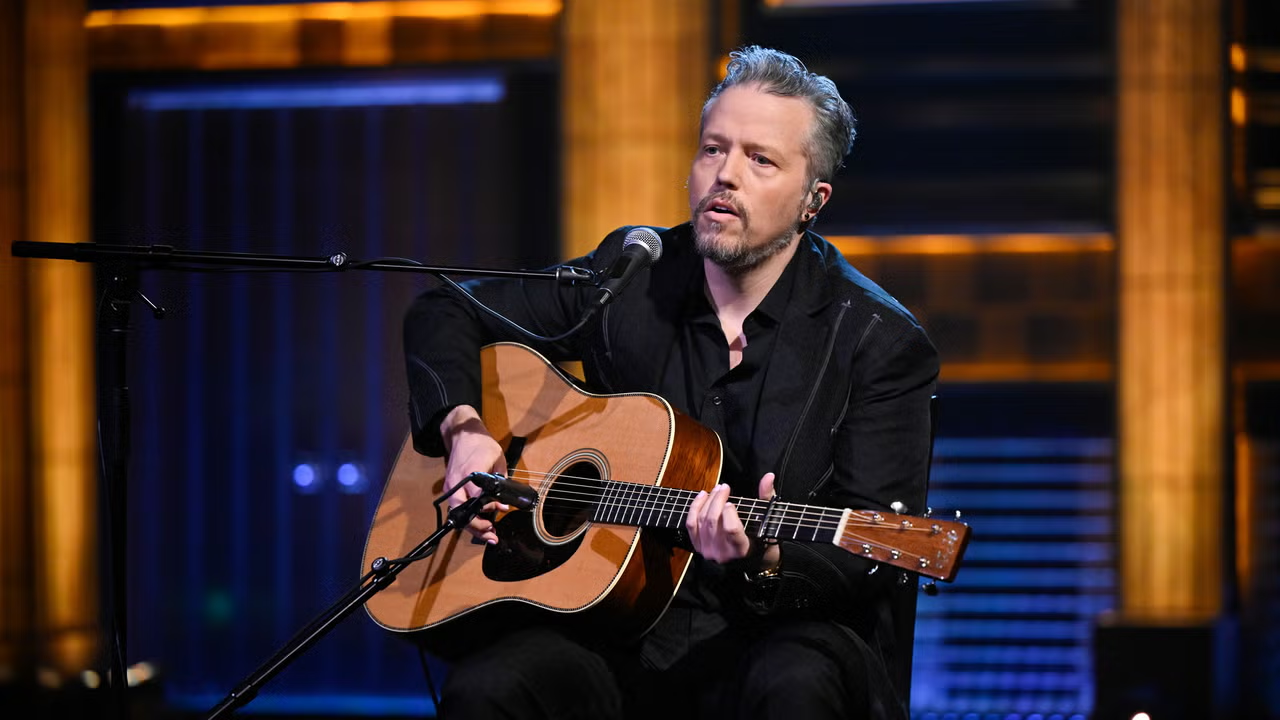
As the digital age continues to evolve, the intersection of technology and creativity grows increasingly complex. Musicians and artists find themselves navigating uncharted waters, not only in the realm of copyright but also in the very essence of their identities. Enter Jason Isbell, a prominent figure in the music industry, who has spearheaded a groundbreaking lawsuit against the AI music generator Suno. This case is not about copyright infringement in the traditional sense; it delves deep into the core of artistic identity and its exploitation by artificial intelligence.
The Borg Collective and the Battle for Identity
In a unique twist, Isbell’s legal filing opens not with the typical legal jargon but with a reference to the infamous Borg from Star Trek: The Next Generation. This clever analogy sets the stage for a profound argument: the alleged appropriation of individual identities by a cold machine intelligence. The Borg, known for assimilating and repurposing identities, serves as a metaphor for how AI can consume the artistic essence of musicians without consent or compensation.
Claiming the Right to Identity
At the heart of Isbell’s lawsuit is a claim that Suno allows users to generate music that mimics the style of established artists, effectively stealing their identity. Alongside fellow musicians such as David Lowery and Guy Forsyth, Isbell argues that this technology has created a vast database of musical identities that can be exploited without permission. The plaintiffs seek class-action status and damages, asserting that their identities are not merely byproducts of their work; they are integral to their very essence as artists.
A New Kind of Legal Battle
This lawsuit diverges from previous cases against AI companies, which often focused on copyright infringement involving specific recordings. Instead, the focus here is on the unauthorized use of artists’ identities. Suno contends that its technology aims to inspire creativity by allowing users to produce original music, but the lawsuit claims that safeguards meant to protect artists are easily circumvented. The plaintiffs argue that Suno has essentially encoded their identities into its AI model without consent, raising critical questions about the nature of creativity in an AI-driven world.
Industry Implications and Market Dynamics
The implications of this lawsuit extend far beyond Isbell and his co-plaintiffs. As the music industry grapples with the rise of AI-generated content, the potential for identity theft looms large. This case highlights a growing concern among artists regarding the commodification of their identities and artistic expressions. Major record labels are also keeping a close eye on the outcome, as they recognize the threat that AI poses to their traditional revenue streams and market share. Suno’s previous legal challenges with the Recording Industry Association of America (RIAA) and major labels like Warner Music demonstrate the precarious balance between innovation and the protection of artistic rights in an increasingly competitive landscape.
Miami: A Hub of Artistic Innovation
In vibrant Miami, a city known for its rich artistic culture and innovative spirit, the dialogue surrounding AI and creative identity is particularly relevant. As local musicians and artists navigate their careers in a rapidly changing environment, the outcomes of landmark cases like Isbell’s will likely influence the future of creative expression in the city. Miami’s thriving arts scene, combined with its technological advancements, positions it as a potential battleground for the evolving relationship between artists and artificial intelligence.
The Road Ahead
As the lawsuit unfolds, it is essential to recognize that the issues at stake are not merely legal; they are philosophical. The question of what it means to be an artist in the age of AI raises profound implications for creativity, identity, and autonomy. Isbell’s case against Suno signals a pivotal moment in the ongoing dialogue about the relationship between technology and artistic expression, challenging us to reconsider the boundaries of innovation and the rights of individual creators. The outcomes of this lawsuit could redefine the landscape for artists everywhere, paving the way for a new era of creative integrity in a world increasingly dominated by machines.
Editorial note: This article was created by A Bit Lavish Miami’s Magazine as an original editorial reinterpretation based on publicly available reporting. Original source: fastcompany.com. Read the original article here: https://www.fastcompany.com/91600939/jason-isbells-suno-lawsuit-takes-aim-beyond-ai-copyright.
Images are used for editorial reference with source credit. If an image requires correction or removal, please contact A Bit Lavish.



SpaceX Stock Surges 7.6% Amid Busy Launch Schedule
SpaceX's stock experienced a significant increase of 7.6% on October 5, 2026,...
 2 Mins read
Lucid Motors Reports 6.7% Decline in Q3 Deliveries Amid Production Cuts
Lucid Motors has announced a 6.7% decrease in its Q3 deliveries as...
2 Mins read
A Short-Term Fix in a Complex Healthcare Landscape
Exploring the implications of the Trump administration's $500 refund checks for Obamacare...
 ABL2 Mins read
Reimagining Military Branding: A Controversial Shift in Iconography
The recent unveiling of the Department of War's logo has sparked debates...
ABL3 Mins read