

Revisiting a Troubling Narrative
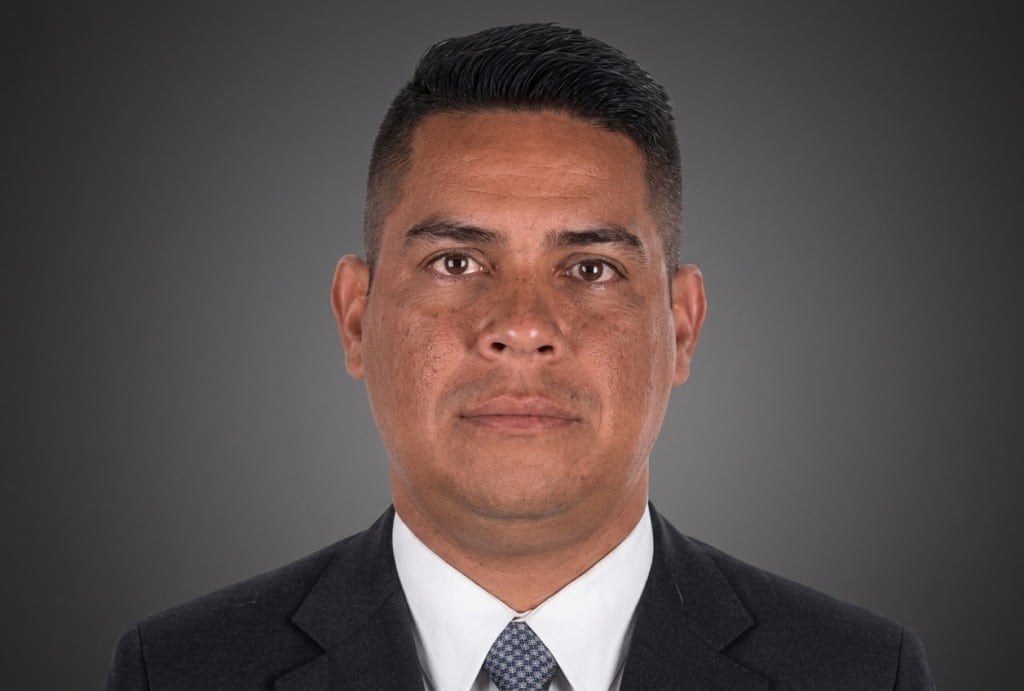
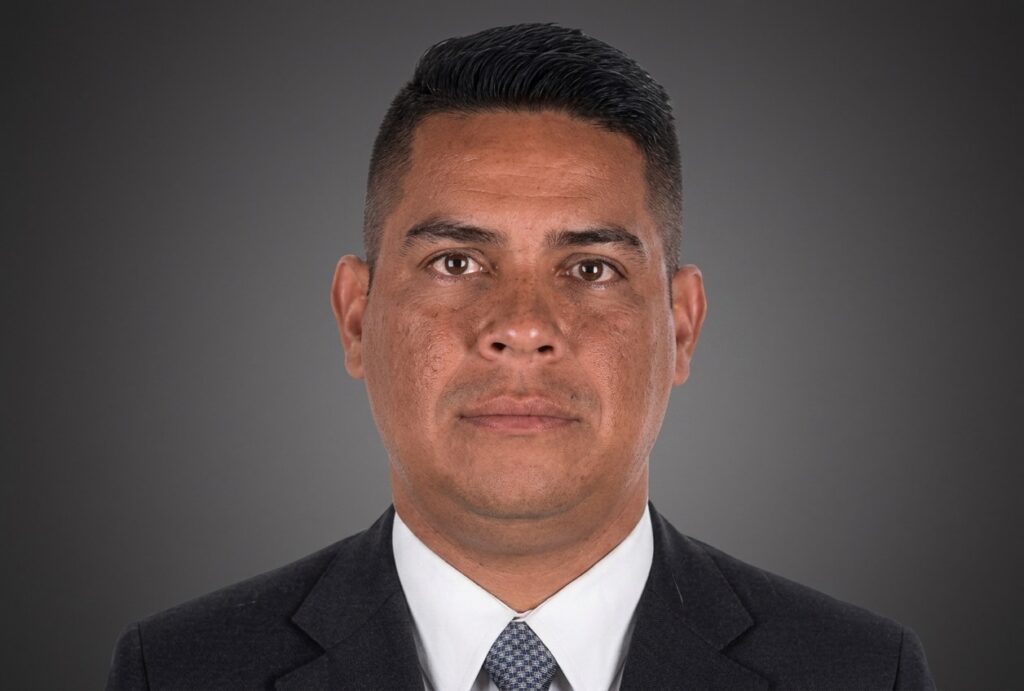
In the heart of Venezuela’s turbulent political landscape, the story of Sixto José Salamanca Jiménez unfolds—a narrative that encapsulates the ongoing struggles for human rights amidst a backdrop of political unrest. Recently, Salamanca, a former police officer from the Sucre state, found himself once again in the grips of authorities, merely four days after being released from incarceration. His detainment on August 18, 2026, raises significant concerns about the nature of justice and the treatment of political prisoners in the country.
A Covert Arrest
Salamanca’s latest arrest transpired during a routine bus journey with his wife in Cupira, Miranda state. Without any apparent legal justification or an arrest warrant, officials intercepted the bus and forcibly removed him. Passengers were left in limbo while the authorities refused to clarify the situation, leading to an unsettling sense of fear and uncertainty—a sentiment echoed by human rights organizations and Salamanca’s family.
The Human Rights Implications
Groups such as Justicia, Encuentro y Perdón (JEP) and the Committee for the Freedom of Political Prisoners have decried Salamanca’s re-arrest as part of a broader “revolving door” pattern affecting political detainees in Venezuela. This phrase encapsulates a grim reality where individuals are momentarily released only to be apprehended again without due process, creating an atmosphere of instability and dread.
A Complex History
Sixto José Salamanca Jiménez’s journey into the justice system began on December 13, 2019, while he was performing his duties at a police checkpoint. He was apprehended by local police and military intelligence amidst claims of a conspiracy aimed at seizing military installations in Cumaná. The government, under the direction of then-Communications Minister Jorge Rodríguez, painted a dramatic narrative connecting the arrests to opposition figures, including Leopoldo López and Juan Guaidó. Despite the serious charges leveled against him, including conspiracy and terrorism, the attack alleged by the authorities never materialized, raising questions about the motivations behind these detentions.
The Struggle for Integrity
As the situation unfolds, human rights advocates are increasingly concerned about the physical safety and well-being of detained individuals like Salamanca. The lack of transparency surrounding their arrests and the often arbitrary nature of such detentions highlight a systemic disregard for due process, a dire situation that affects not only the victims but also their families and communities.
A Call for Awareness and Action
In Miami and beyond, the implications of such events resonate deeply within the Venezuelan diaspora and the broader community concerned with human rights. The plight of political prisoners is not just a Venezuelan issue; it speaks to the universal struggle for justice, freedom, and the right to dissent. As we reflect on Salamanca’s case, it becomes imperative to advocate for transparency, accountability, and reform in Venezuelan governance, ensuring that the voices of the oppressed are heard and acted upon.
Editorial note: This article was created by A Bit Lavish Miami’s Magazine as an original editorial reinterpretation based on publicly available reporting. Original source: efectococuyo.com. Read the original article here: https://efectococuyo.com/la-humanidad/preso-politico-excarcelado-el-14-de-agosto-vuelve-a-ser-privado-de-libertad/.
Images are used for editorial reference with source credit. If an image requires correction or removal, please contact A Bit Lavish.








A Life Changed in an Instant: The Harrowing Tale of Wilber Garcés
Explore the gripping account of Wilber Garcés, a Venezuelan immigrant whose life...
 3 Mins read

Protests Erupt in Venezuela Following ICE Shooting Incident in Texas
Calls for an independent investigation intensify after a Venezuelan DoorDash driver was...
2 Mins read
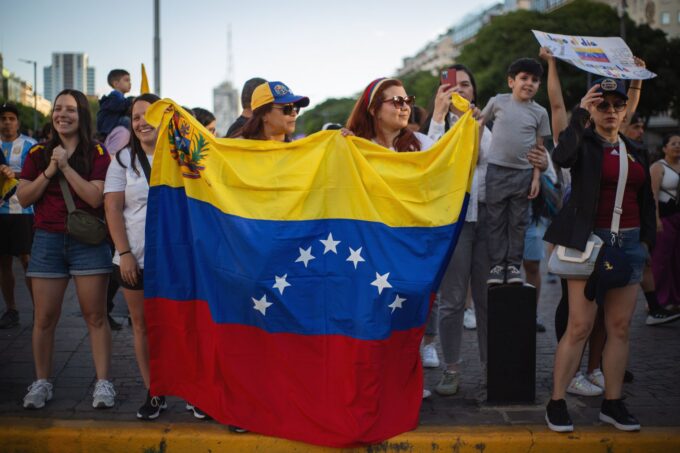
Shooting of Venezuelan Man by ICE in Austin Raises Concerns Over Immigration Policies
The shooting of a Venezuelan man by ICE in Austin has sparked...
2 Mins read
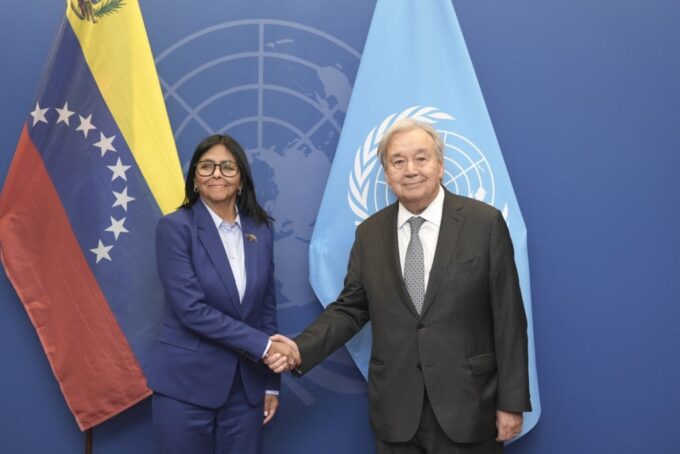


A Diplomatic Dance: Delcy Rodríguez’s High-Stakes Visit to the UN
Delcy Rodríguez's recent visit to the UN marks a pivotal moment for...
2 Mins read
