
Air Traffic Control Malfunction Grounds Flights at Major US Airports

MIAMI — September 22, 2026
A major air traffic control malfunction occurred early on September 22, 2026, at approximately 1:45 AM UTC, leading to the grounding of flights at several major airports across the United States. This incident has raised significant public safety concerns, affecting thousands of passengers and disrupting travel plans nationwide.
The malfunction was reported by the Federal Aviation Administration (FAA), which confirmed that the issue stemmed from a technical failure in the air traffic control system. The FAA has not disclosed specific details regarding the nature of the malfunction, but it has emphasized that safety remains its top priority. As a result of the incident, flights were delayed or canceled at key airports, including Los Angeles International Airport (LAX), Chicago O’Hare International Airport (ORD), and New York’s John F. Kennedy International Airport (JFK).
Passengers were left stranded as airlines scrambled to manage the fallout from the disruption. Major carriers, including American Airlines, Delta Air Lines, and United Airlines, issued statements apologizing for the inconvenience and advising travelers to check their flight statuses. The FAA has initiated an investigation into the cause of the malfunction, which is expected to take several days.
This incident comes at a time when air travel is experiencing a resurgence following the COVID-19 pandemic, with passenger numbers steadily increasing. The grounding of flights not only impacts individual travelers but also has broader implications for the aviation industry, which has been working to restore confidence in air travel safety.
In response to the incident, the FAA has announced the launch of a new artificial intelligence (AI) tool designed to enhance air traffic control operations. This tool aims to improve the efficiency and reliability of air traffic management, potentially preventing similar incidents in the future. The FAA’s commitment to integrating advanced technology into air traffic control reflects an ongoing effort to modernize the aviation infrastructure.
The significance of this event extends beyond immediate travel disruptions. It highlights the vulnerabilities within the air traffic control system and raises questions about the adequacy of current technologies in managing airspace safety. As the FAA investigates the malfunction, stakeholders in the aviation sector will be closely monitoring the situation, particularly as it relates to regulatory oversight and technological advancements.
Looking ahead, the FAA’s investigation will likely lead to recommendations for improvements in air traffic control systems. Additionally, the rollout of the new AI tool will be scrutinized for its effectiveness in preventing future malfunctions. Airlines and passengers alike will be eager to see how the FAA addresses these challenges to restore confidence in the safety and reliability of air travel.
Source: thetraveler.org










Fishing Crew Discovers U.S. Military Drone Off Florida Coast
A fishing crew off the coast of Florida has discovered a 10-foot-long...
 1 Mins read
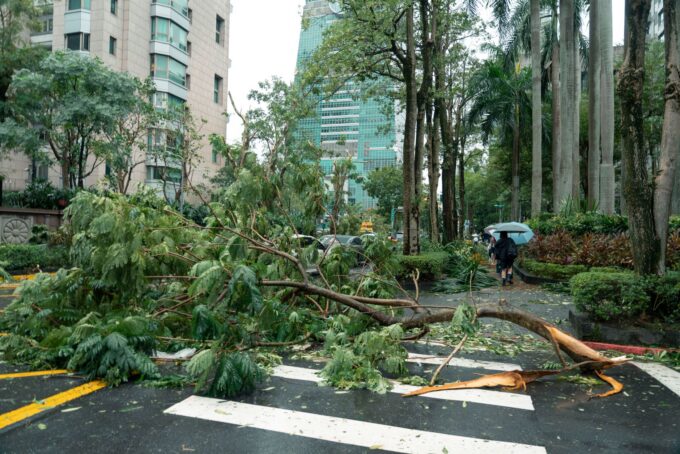
Typhoon Dujuan Causes Devastation in Tokyo, Resulting in Fatalities and Missing Persons
Typhoon Dujuan has wreaked havoc in Tokyo and its surrounding areas, leading...
2 Mins read
Typhoon Dujuan Claims Four Lives and Causes Widespread Damage in Japan
Typhoon Dujuan has resulted in fatalities and significant destruction across Japan, raising...
1 Mins read



Upcoming Daylight Saving Time Changes for 2026: What You Need to Know
Key details on the upcoming daylight saving time changes in 2026, including...
2 Mins read

Leave a comment